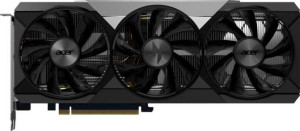
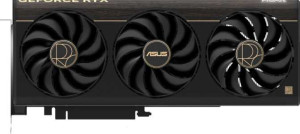
The shared feature set between these two cards is substantial. Both support DirectX 12 Ultimate, OpenGL 4.6, ray tracing, 3D output, multi-display up to 4 screens, and RGB lighting — meaning for the foundational compatibility checklist, neither card has a gap. Neither carries an LHR limiter, which is a non-issue for gaming and creative use cases.
The most consequential differentiator is DLSS support. The Asus ProArt RTX 5080 supports it; the Acer Nitro RX 9070 XT does not. DLSS is Nvidia's AI-driven upscaling technology, and in supported titles it can deliver near-native image quality at a fraction of the rendering cost — directly boosting frame rates with minimal visual trade-off. For gamers or creators working in real-time viewports where DLSS is available, this is a meaningful practical advantage. The RX 9070 XT has no equivalent listed in the provided specs. The RTX 5080 also edges ahead on OpenCL version 3 versus the RX 9070 XT's OpenCL 2.2, which may matter for compute workloads that leverage newer OpenCL features, though real-world impact depends heavily on specific software support. The difference in memory resizing technology — AMD SAM on the Nitro versus Intel Resizable BAR on the ProArt — reflects platform ecosystem alignment rather than a performance differentiator between the two cards.
On features, the RTX 5080 holds a clear advantage, primarily due to DLSS. It is a high-utility capability absent on the RX 9070 XT, and for users whose workflows or game libraries lean on it, the gap is practically significant rather than merely theoretical.