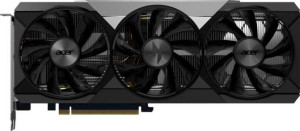
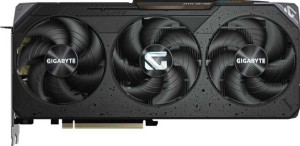
Sharing the same RDNA 4.0 architecture and an identical transistor count of 53,900 million, these two cards are built from the same fundamental silicon DNA — yet they diverge in ways that matter for system builders. The most striking difference is the process node: the Acer Nitro RX 9070 XT is fabricated on a 4nm process versus the Gigabyte Gaming OC's 5nm. A smaller node generally enables higher clock speeds or improved power efficiency at equivalent performance, which aligns with the Nitro XT's significantly higher boost clocks observed in the performance specs.
That efficiency advantage, however, comes with an important caveat: the Nitro XT carries a 304W TDP against the Gaming OC's considerably lower 220W. This 84W gap is substantial. It means the Nitro XT demands a more capable PSU, generates more heat under sustained load, and will require better case airflow to maintain stable thermals. For small form factor builds or systems with tighter power budgets, the Gaming OC is clearly the more accommodating option. Both cards rely on air cooling exclusively, so thermal management falls entirely on the card's own heatsink and the surrounding case environment.
On physical footprint, the two cards are comparable — the Nitro XT is slightly longer at 295mm while the Gaming OC is a touch taller at 132mm — making case compatibility a near wash. Overall, the Gigabyte Gaming OC holds a meaningful advantage here for power-constrained or thermally sensitive builds, while the Nitro XT's higher TDP is the direct cost of its performance lead.