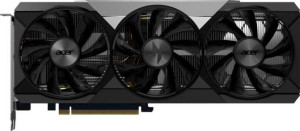
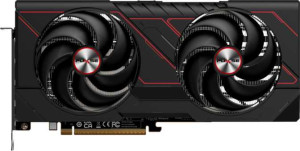
From a software and API standpoint, these two cards are mirror images of each other. Both support DirectX 12 Ultimate, ray tracing, FSR4, and AMD SAM, and neither supports DLSS or XeSS — which is expected for AMD hardware. DirectX 12 Ultimate is the current gold standard for gaming feature compatibility, ensuring access to hardware ray tracing, mesh shaders, and variable rate shading in supported titles. FSR4, AMD's latest upscaling technology, is a meaningful shared asset, offering AI-enhanced image reconstruction that can boost framerates with minimal visual quality loss. Both cards also top out at 4 supported displays, making them equally capable for multi-monitor setups.
The only differentiating spec in this entire group is RGB lighting: the RX 9070 XT includes it, while the RX 9070 does not. For users building aesthetically themed systems — particularly those with windowed cases — this is a genuine, if purely cosmetic, distinction. It won't affect gaming performance or software compatibility in any way, but it does add to the visual appeal of the Acer Nitro card without requiring a separate RGB controller or third-party lighting solution.
In terms of functional features, this group is essentially a tie. The RX 9070 XT earns a marginal edge solely due to its RGB lighting, which will matter to some buyers and be completely irrelevant to others. Anyone prioritizing software capabilities, API support, or multi-display flexibility will find no reason to prefer one card over the other based on these specs alone.