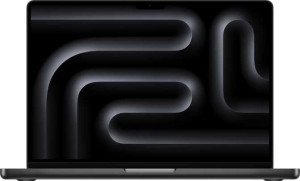
The single most dramatic figure in this group is maximum memory bandwidth: the Helios 18 AI reaches 811.5 GB/s against the MacBook Pro's 153 GB/s — more than five times the throughput. Higher memory bandwidth directly translates to faster data delivery to the processor and GPU, reducing bottlenecks in tasks like rendering, simulation, and large dataset processing. This is a substantial architectural advantage for the Helios in bandwidth-hungry workloads. L2 cache follows a similar pattern: the Helios carries 40 MB versus the MacBook Pro's 16 MB, meaning more frequently accessed data can sit closer to the CPU cores, reducing latency on complex, repetitive computations.
Two features exclusive to the Helios stand out for specialized users. First, it supports ECC memory, which detects and corrects single-bit memory errors in real time — a critical reliability feature for scientific computing, financial modeling, or any environment where data integrity is non-negotiable. The MacBook Pro does not support ECC. Second, the Helios has an unlocked multiplier, giving technically inclined users the ability to push CPU frequencies beyond factory settings. The MacBook Pro's multiplier is locked at 46, offering no such headroom. Both laptops share the same maximum RAM speed of 6400 MHz, big.LITTLE hybrid core architecture, integrated graphics, and NX bit security support — so the foundational platform design language is similar.
For this group, the Helios 18 AI holds a clear edge on the specs that matter most at the technical level. Its vastly superior memory bandwidth, larger L2 cache, ECC support, and overclocking flexibility make it the more capable machine for power users who push hardware to its limits. The MacBook Pro offers none of these advanced tuning or reliability features, though its locked, optimized configuration reflects a different design priority — stability and consistency over customizability.