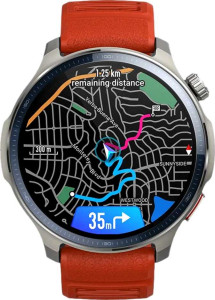
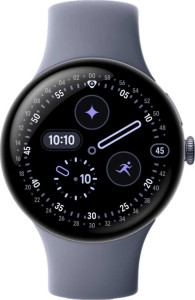
Across the broad feature set, these two watches share an impressive amount of common ground — HRV tracking, VO2 max, readiness scores, call handling, notifications, voice commands, and 32GB of internal storage are all present on both. For the majority of smartwatch use cases, neither watch leaves the user wanting for core functionality.
The meaningful separation lies in health safety features, where the Pixel Watch 4 holds a notable advantage. It adds ECG technology, irregular heart rate warnings, and fall detection — three capabilities absent on the Balance 2. ECG allows users to take medical-grade heart rhythm readings on demand, irregular heart rate alerts can flag potential arrhythmias passively in the background, and fall detection can automatically call for help if a serious incident occurs. Together, these three features make the Pixel Watch 4 a more capable companion for older users, those with cardiovascular concerns, or anyone who values a safety net on their wrist. The Balance 2 does not offer a meaningful counterweight in this specific area.
The Balance 2's only exclusive in this group is faster GPS acquisition, which benefits users who want to start outdoor workouts quickly without waiting for a satellite lock — a real convenience, but a narrower advantage compared to the Pixel Watch 4's health monitoring additions. On balance, the Pixel Watch 4 edges ahead in this category, primarily due to its clinically oriented features that the Balance 2 simply does not match.