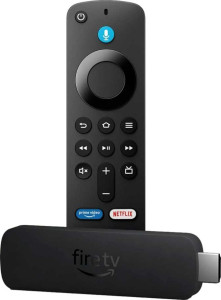
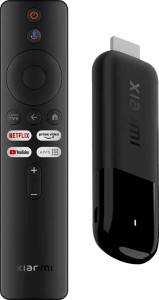
In terms of video and audio format support, these two devices are virtually identical. Both handle the full premium HDR suite — Dolby Vision, HDR10+, HDR10, and HLG — meaning neither forces a compromise on picture quality regardless of your TV's capabilities. Audio is equally matched, with both supporting Dolby Digital and Dolby Digital Plus, covering the vast majority of streaming audio formats. Neither device is ad-free, and neither supports AirPlay or Apple HomeKit, so iOS/macOS ecosystem users will find the same limitations on both sides.
The meaningful split comes down to smart assistant and casting ecosystem. The Amazon Fire TV Stick 4K Plus is built around Alexa, giving it deep integration with Amazon's ecosystem — smart home control, shopping, and Fire TV-native features. The Xiaomi TV Stick 4K (2nd Gen), by contrast, aligns with Google's ecosystem: it supports Google Assistant and includes Chromecast built-in. That last point is practically significant — Chromecast lets you cast directly from Chrome, Android, and thousands of Google-compatible apps without needing the remote, a workflow that has no equivalent on the Fire TV side.
The Xiaomi TV Stick 4K (2nd Gen) holds a functional edge in this group, specifically because of Chromecast built-in. Both devices offer identical HDR and audio support, but the ability to cast natively from Android and Chrome browsers adds a layer of flexibility the Amazon stick simply cannot match. If you are already embedded in Amazon's ecosystem and rely on Alexa, the Fire TV Stick 4K Plus remains a strong fit — but purely on feature breadth as defined by these specs, Xiaomi's Google integration tips the balance.