array(28) { ["_id"]=> object(MongoDB\BSON\ObjectId)#38 (1) { ["oid"]=> string(24) "693474c99c36d5c86400e1a6" } ["name"]=> string(17) "AMD Ryzen 7 9700F" ["name_url"]=> string(17) "amd-ryzen-7-9700f" ["uniqueDisplayName"]=> string(17) "AMD Ryzen 7 9700F" ["image"]=> string(50) "/amd-ryzen-7-9700f.front.variety.1758305078226.jpg" ["release_date"]=> int(20250916) ["release_date_2"]=> object(MongoDB\BSON\UTCDateTime)#39 (1) { ["milliseconds"]=> string(13) "1757980800000" } ["status"]=> int(11) ["sku"]=> array(1) { [0]=> int(399) } ["id"]=> int(8454) ["images"]=> array(2) { ["main"]=> string(13) "/285/8454.jpg" ["small"]=> string(17) "/285/8454_300.jpg" } ["manufacturer"]=> string(3) "AMD" ["manufacturer_id"]=> object(MongoDB\BSON\ObjectId)#40 (1) { ["oid"]=> string(24) "69386a168da14d2a46095184" } ["manufacturer_slug"]=> string(3) "amd" ["slug"]=> string(17) "amd-ryzen-7-9700f" ["specs"]=> array(6) { ["General info"]=> array(11) { ["_id"]=> string(24) "693477646e6b8cde36023368" ["cpu_type"]=> array(6) { ["_id"]=> string(24) "6934ba8fc451c776b606a2c1" ["label"]=> string(4) "Type" ["value"]=> string(7) "Desktop" ["unit"]=> string(0) "" ["kind"]=> string(6) "ranked" ["desc"]=> string(40) "The market that the CPU is designed for." } ["cpu_socket"]=> array(6) { ["_id"]=> string(24) "6934ba8fc451c776b606a2c2" ["label"]=> string(10) "CPU socket" ["value"]=> string(3) "AM5" ["unit"]=> string(0) "" ["kind"]=> string(6) "ranked" ["desc"]=> string(27) "The CPU socket/s supported." } ["compatible_chipsets"]=> array(6) { ["_id"]=> string(24) "6934babc013867ad680ec23f" ["label"]=> string(7) "chipset" ["value"]=> string(28) "X670, B650, X870, B840, B850" ["unit"]=> string(0) "" ["kind"]=> string(6) "ranked" ["desc"]=> string(36) "The motherboard chipset/s supported." } ["int_graphics"]=> array(6) { ["_id"]=> string(24) "6934ba8fc451c776b606a26b" ["label"]=> string(23) "Has integrated graphics" ["value"]=> bool(false) ["unit"]=> string(0) "" ["kind"]=> string(7) "boolean" ["desc"]=> string(74) "With integrated graphics you don’t need to buy a separate graphics card." } ["release_date"]=> array(6) { ["_id"]=> string(24) "693477646e6b8cde3602336a" ["label"]=> string(12) "release date" ["value"]=> int(20250916) ["unit"]=> string(0) "" ["kind"]=> string(6) "number" ["desc"]=> string(57) "The date the product first became available for purchase." } ["cpu_tdp"]=> array(6) { ["_id"]=> string(24) "6934ba8fc451c776b606a267" ["label"]=> string(26) "Thermal Design Power (TDP)" ["value"]=> string(3) "65W" ["unit"]=> string(1) "W" ["kind"]=> string(6) "number" ["desc"]=> string(157) "The thermal design power (TDP) is the maximum amount of power the cooling system needs to dissipate. A lower TDP typically means that it consumes less power." } ["semiconductor_size"]=> array(6) { ["_id"]=> string(24) "6934ba8fc451c776b606a28f" ["label"]=> string(18) "semiconductor size" ["value"]=> string(4) "4 nm" ["unit"]=> string(3) " nm" ["kind"]=> string(6) "number" ["desc"]=> string(304) "Small semiconductors provide better performance and reduced power consumption. Chipsets with a higher number of transistors, semiconductor components of electronic devices, offer more computational power. A small form factor allows more transistors to fit on a chip, therefore increasing its performance." } ["cpu_temperature"]=> array(6) { ["_id"]=> string(24) "6934ba8fc451c776b606a279" ["label"]=> string(15) "CPU temperature" ["value"]=> string(6) "95 °C" ["unit"]=> string(4) " °C" ["kind"]=> string(6) "number" ["desc"]=> string(99) "If the CPU exceeds the maximum operating temperature then problems such as random resets can occur." } ["pcie"]=> array(6) { ["_id"]=> string(24) "6934ba8fc451c776b606a287" ["label"]=> string(26) "PCI Express (PCIe) version" ["value"]=> int(5) ["unit"]=> string(0) "" ["kind"]=> string(6) "number" ["desc"]=> string(235) "Peripheral Component Interconnect Express (PCIe) is a high-speed interface standard for connecting components, such as graphics cards and SSDs, to a motherboard. Newer versions can support more bandwidth and deliver better performance." } ["64bit"]=> array(6) { ["_id"]=> string(24) "6934ba8fc451c776b606a278" ["label"]=> string(15) "Supports 64-bit" ["value"]=> bool(true) ["unit"]=> string(0) "" ["kind"]=> string(7) "boolean" ["desc"]=> string(158) "A 32-bit operating system can only support up to 4GB of RAM. 64-bit allows more than 4GB, giving increased performance. It also allows you to run 64-bit apps." } } ["Performance"]=> array(12) { ["_id"]=> string(24) "6934bccf9e33eb12ce036594" ["total_clock_speed"]=> array(6) { ["_id"]=> string(24) "6934ba8fc451c776b606a268" ["label"]=> string(9) "CPU speed" ["value"]=> string(11) "8 x 3.8 GHz" ["unit"]=> string(4) " GHz" ["kind"]=> string(6) "number" ["desc"]=> string(297) "The CPU speed indicates how many processing cycles per second can be executed by a CPU, considering all of its cores (processing units). It is calculated by adding the clock rates of each core or, in the case of multi-core processors employing different microarchitectures, of each group of cores." } ["cpu_threads"]=> array(6) { ["_id"]=> string(24) "6934ba8fc451c776b606a26a" ["label"]=> string(11) "CPU threads" ["value"]=> string(10) "16 threads" ["unit"]=> string(8) " threads" ["kind"]=> string(6) "number" ["desc"]=> string(66) "More threads result in faster performance and better multitasking." } ["turbo"]=> array(6) { ["_id"]=> string(24) "6934ba8fc451c776b606a269" ["label"]=> string(17) "turbo clock speed" ["value"]=> string(6) "5.5GHz" ["unit"]=> string(3) "GHz" ["kind"]=> string(6) "number" ["desc"]=> string(123) "When the CPU is running below its limitations, it can boost to a higher clock speed in order to give increased performance." } ["unlocked_multiplier"]=> array(6) { ["_id"]=> string(24) "6934ba8fc451c776b606a277" ["label"]=> string(26) "Has an unlocked multiplier" ["value"]=> bool(true) ["unit"]=> string(0) "" ["kind"]=> string(7) "boolean" ["desc"]=> string(152) "Some processors come with an unlocked multiplier which makes them easy to overclock, allowing you to gain increased performance in games and other apps." } ["l2_cache"]=> array(6) { ["_id"]=> string(24) "6934ba8fc451c776b606a26e" ["label"]=> string(8) "L2 cache" ["value"]=> string(4) "8 MB" ["unit"]=> string(3) " MB" ["kind"]=> string(6) "number" ["desc"]=> string(68) "A larger L2 cache results in faster CPU and system-wide performance." } ["l3_cache"]=> array(6) { ["_id"]=> string(24) "6934ba8fc451c776b606a26d" ["label"]=> string(8) "L3 cache" ["value"]=> string(5) "32 MB" ["unit"]=> string(3) " MB" ["kind"]=> string(6) "number" ["desc"]=> string(68) "A larger L3 cache results in faster CPU and system-wide performance." } ["l1_cache"]=> array(6) { ["_id"]=> string(24) "6934ba8fc451c776b606a26f" ["label"]=> string(8) "L1 cache" ["value"]=> string(6) "640 KB" ["unit"]=> string(3) " KB" ["kind"]=> string(6) "number" ["desc"]=> string(68) "A larger L1 cache results in faster CPU and system-wide performance." } ["l2_core"]=> array(6) { ["_id"]=> string(24) "6934ba8fc451c776b606a272" ["label"]=> string(7) "L2 core" ["value"]=> string(9) "1 MB/core" ["unit"]=> string(8) " MB/core" ["kind"]=> string(6) "number" ["desc"]=> string(75) "More data can be stored in the L2 cache for access by each core of the CPU." } ["l3_core"]=> array(6) { ["_id"]=> string(24) "6934ba8fc451c776b606a273" ["label"]=> string(7) "L3 core" ["value"]=> string(9) "4 MB/core" ["unit"]=> string(8) " MB/core" ["kind"]=> string(6) "number" ["desc"]=> string(75) "More data can be stored in the L3 cache for access by each core of the CPU." } ["big_little"]=> array(6) { ["_id"]=> string(24) "6934ba8fc451c776b606a2c8" ["label"]=> string(26) "Uses big.LITTLE technology" ["value"]=> bool(false) ["unit"]=> string(0) "" ["kind"]=> string(7) "boolean" ["desc"]=> string(301) "Using big.LITTLE technology, a chip can switch between two sets of processor cores to maximize performance and battery life. For example, when playing a game the more powerful cores will be used to increase performance, whereas checking email will use the less powerful cores to maximize battery life." } ["clock_multiplier"]=> array(6) { ["_id"]=> string(24) "6934ba8fc451c776b606a276" ["label"]=> string(16) "clock multiplier" ["value"]=> int(38) ["unit"]=> string(0) "" ["kind"]=> string(6) "number" ["desc"]=> string(51) "The clock multiplier controls the speed of the CPU." } } ["Benchmarks"]=> array(1) { ["_id"]=> string(24) "6934ba8fc451c776b606a2b2" } ["Integrated graphics"]=> array(1) { ["_id"]=> string(24) "69357515804c716539090408" } ["Memory"]=> array(6) { ["_id"]=> string(24) "6934ba8fc451c776b606a29e" ["ram_speed_max"]=> array(6) { ["_id"]=> string(24) "6934ba8fc451c776b606a2c7" ["label"]=> string(15) "RAM speed (max)" ["value"]=> string(8) "5600 MHz" ["unit"]=> string(4) " MHz" ["kind"]=> string(6) "number" ["desc"]=> string(54) "The maximum speed of RAM that is supported by the CPU." } ["ddr_version"]=> array(6) { ["_id"]=> string(24) "6934ba8fc451c776b606a2a1" ["label"]=> string(18) "DDR memory version" ["value"]=> int(5) ["unit"]=> string(0) "" ["kind"]=> string(6) "number" ["desc"]=> string(151) "DDR (Double Data Rate) memory is the most common type of RAM. Newer versions of DDR memory support higher maximum speeds and are more energy-efficient." } ["mem_channels"]=> array(6) { ["_id"]=> string(24) "6934ba8fc451c776b606a2c6" ["label"]=> string(15) "memory channels" ["value"]=> int(2) ["unit"]=> string(0) "" ["kind"]=> string(6) "number" ["desc"]=> string(89) "More memory channels increases the speed of data transfer between the memory and the CPU." } ["max_mem_size"]=> array(6) { ["_id"]=> string(24) "6934ba8fc451c776b606a2c0" ["label"]=> string(21) "maximum memory amount" ["value"]=> string(5) "192GB" ["unit"]=> string(2) "GB" ["kind"]=> string(6) "number" ["desc"]=> string(45) "The maximum amount of memory (RAM) supported." } ["mem_eec"]=> array(6) { ["_id"]=> string(24) "6934ba8fc451c776b606a2c5" ["label"]=> string(19) "Supports ECC memory" ["value"]=> bool(true) ["unit"]=> string(0) "" ["kind"]=> string(7) "boolean" ["desc"]=> string(176) "Error-correcting code memory can detect and correct data corruption. It is used when is it essential to avoid corruption, such as scientific computing or when running a server." } } ["Features"]=> array(4) { ["_id"]=> string(24) "693477646e6b8cde36023396" ["instruction_sets"]=> array(6) { ["_id"]=> string(24) "6934ba8fc451c776b606a2c3" ["label"]=> string(16) "instruction sets" ["value"]=> string(49) "MMX, F16C, FMA3, AES, AVX, AVX2, SSE 4.1, SSE 4.2" ["unit"]=> string(0) "" ["kind"]=> string(6) "ranked" ["desc"]=> string(75) "Instruction sets are sets of codes that the CPU runs for certain functions." } ["multithreading"]=> array(6) { ["_id"]=> string(24) "6934ba8fc451c776b606a26c" ["label"]=> string(19) "uses multithreading" ["value"]=> bool(true) ["unit"]=> string(0) "" ["kind"]=> string(7) "boolean" ["desc"]=> string(282) "Multithreading technology (such as Intel's Hyperthreading or AMD's Simultaneous Multithreading) provides increased performance by splitting each of the processor's physical cores into virtual cores, also known as threads. This way, each core can run two instruction streams at once." } ["nxbit"]=> array(6) { ["_id"]=> string(24) "6934ba8fc451c776b606a2c4" ["label"]=> string(10) "Has NX bit" ["value"]=> bool(true) ["unit"]=> string(0) "" ["kind"]=> string(7) "boolean" ["desc"]=> string(57) "NX bit helps protect the computer from malicious attacks." } } } ["specs_clean"]=> array(6) { ["General info"]=> array(11) { ["cpu_type"]=> array(2) { ["label"]=> string(4) "Type" ["value"]=> string(7) "Desktop" } ["cpu_socket"]=> array(2) { ["label"]=> string(10) "CPU socket" ["value"]=> string(3) "AM5" } ["compatible_chipsets"]=> array(2) { ["label"]=> string(7) "chipset" ["value"]=> string(28) "X670, B650, X870, B840, B850" } ["int_graphics"]=> array(2) { ["label"]=> string(23) "Has integrated graphics" ["value"]=> bool(false) } ["release_date"]=> array(2) { ["label"]=> string(12) "release date" ["value"]=> int(20250916) } ["cpu_tdp"]=> array(2) { ["label"]=> string(26) "Thermal Design Power (TDP)" ["value"]=> string(3) "65W" } ["semiconductor_size"]=> array(2) { ["label"]=> string(18) "semiconductor size" ["value"]=> string(4) "4 nm" } ["cpu_temperature"]=> array(2) { ["label"]=> string(15) "CPU temperature" ["value"]=> string(6) "95 °C" } ["pcie"]=> array(2) { ["label"]=> string(26) "PCI Express (PCIe) version" ["value"]=> int(5) } ["64bit"]=> array(2) { ["label"]=> string(15) "Supports 64-bit" ["value"]=> bool(true) } ["section_description"]=> string(571) "

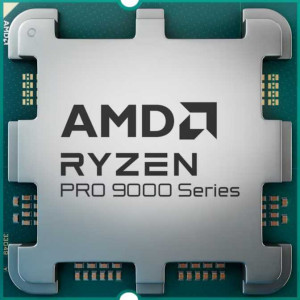
The AMD Ryzen 7 9700F is a desktop CPU with a 65W Thermal Design Power (TDP), making it efficient in terms of power consumption. It supports PCIe 5.0, ensuring fast data transfer capabilities, and operates on the AM5 socket. The processor is based on a 4 nm semiconductor size, contributing to improved performance and energy efficiency. It does not feature integrated graphics, and it supports 64-bit architecture for handling advanced computing tasks. Compatible chipsets include X670, B650, X870, B840, and B850, providing flexibility for system configurations.

" } ["Performance"]=> array(12) { ["total_clock_speed"]=> array(2) { ["label"]=> string(9) "CPU speed" ["value"]=> string(11) "8 x 3.8 GHz" } ["cpu_threads"]=> array(2) { ["label"]=> string(11) "CPU threads" ["value"]=> string(10) "16 threads" } ["turbo"]=> array(2) { ["label"]=> string(17) "turbo clock speed" ["value"]=> string(6) "5.5GHz" } ["unlocked_multiplier"]=> array(2) { ["label"]=> string(26) "Has an unlocked multiplier" ["value"]=> bool(true) } ["l2_cache"]=> array(2) { ["label"]=> string(8) "L2 cache" ["value"]=> string(4) "8 MB" } ["l3_cache"]=> array(2) { ["label"]=> string(8) "L3 cache" ["value"]=> string(5) "32 MB" } ["l1_cache"]=> array(2) { ["label"]=> string(8) "L1 cache" ["value"]=> string(6) "640 KB" } ["l2_core"]=> array(2) { ["label"]=> string(7) "L2 core" ["value"]=> string(9) "1 MB/core" } ["l3_core"]=> array(2) { ["label"]=> string(7) "L3 core" ["value"]=> string(9) "4 MB/core" } ["big_little"]=> array(2) { ["label"]=> string(26) "Uses big.LITTLE technology" ["value"]=> bool(false) } ["clock_multiplier"]=> array(2) { ["label"]=> string(16) "clock multiplier" ["value"]=> int(38) } ["section_description"]=> string(500) "

The AMD Ryzen 7 9700F features a total clock speed of 8 x 3.8 GHz, offering strong base performance for various computing tasks. It includes 16 threads, allowing for effective multitasking, and has a turbo clock speed of 5.5 GHz for handling more demanding workloads. The processor is equipped with L3 cache of 32 MB and L2 cache of 8 MB, ensuring efficient data access. Additionally, it has an unlocked multiplier, providing overclocking potential, and operates with a clock multiplier of 38.

" } ["Benchmarks"]=> array(0) { } ["Integrated graphics"]=> array(0) { } ["Memory"]=> array(6) { ["ram_speed_max"]=> array(2) { ["label"]=> string(15) "RAM speed (max)" ["value"]=> string(8) "5600 MHz" } ["ddr_version"]=> array(2) { ["label"]=> string(18) "DDR memory version" ["value"]=> int(5) } ["mem_channels"]=> array(2) { ["label"]=> string(15) "memory channels" ["value"]=> int(2) } ["max_mem_size"]=> array(2) { ["label"]=> string(21) "maximum memory amount" ["value"]=> string(5) "192GB" } ["mem_eec"]=> array(2) { ["label"]=> string(19) "Supports ECC memory" ["value"]=> bool(true) } ["section_description"]=> string(442) "

The AMD Ryzen 7 9700F supports a maximum RAM speed of 5600 MHz and uses DDR5 memory, ensuring high-performance data handling. It operates with 2 memory channels, providing efficient communication between the CPU and RAM. The processor can accommodate up to 192GB of memory, offering significant capacity for demanding applications. Additionally, it supports ECC memory, which enhances stability and error correction for critical tasks.

" } ["Features"]=> array(4) { ["instruction_sets"]=> array(2) { ["label"]=> string(16) "instruction sets" ["value"]=> string(49) "MMX, F16C, FMA3, AES, AVX, AVX2, SSE 4.1, SSE 4.2" } ["multithreading"]=> array(2) { ["label"]=> string(19) "uses multithreading" ["value"]=> bool(true) } ["nxbit"]=> array(2) { ["label"]=> string(10) "Has NX bit" ["value"]=> bool(true) } ["section_description"]=> string(404) "

The AMD Ryzen 7 9700F includes support for a variety of instruction sets, such as MMX, F16C, AES, AVX, and SSE 4.2, enabling enhanced computational capabilities. It also utilizes multithreading, allowing for efficient handling of multiple tasks simultaneously. Additionally, the processor features the NX bit, which improves security by preventing the execution of certain types of malicious code.

" } } ["description"]=> string(877) "

The AMD Ryzen 7 9700F is a desktop processor designed for high-performance computing. With 8 cores and a base clock of 3.8 GHz, it delivers a solid balance of power and efficiency for demanding tasks. The CPU has a maximum turbo clock speed of 5.5 GHz, ensuring enhanced performance when needed. Its 64-bit architecture allows for advanced processing, and it operates with a Thermal Design Power (TDP) of 65W, optimizing energy consumption.

In terms of memory support, the Ryzen 7 9700F can handle up to 192GB of RAM with a maximum speed of 5600 MHz, using DDR5 technology across 2 memory channels. The processor also supports ECC memory, offering enhanced reliability for critical applications. For connectivity, it includes PCIe 5.0 support, ensuring fast data transfer speeds, while the CPU socket is compatible with AM5 and several chipsets like X670 and B650.

" ["meta_description"]=> string(141) "The AMD Ryzen 7 9700F is a desktop CPU with 8 cores, a base clock of 3.8 GHz, and 32 MB of L3 cache, compatible with AM5 socket and PCIe 5.0." ["cons"]=> array(3) { [0]=> string(81) "Does not include integrated graphics, requiring a discrete GPU for visual output." [1]=> string(106) "Has a maximum RAM speed of 5600 MHz, which may limit memory bandwidth compared to higher-end alternatives." [2]=> string(108) "Does not support big.LITTLE technology, which could have improved energy efficiency and performance scaling." } ["pros"]=> array(5) { [0]=> string(80) "Supports PCIe 5.0, enabling fast data transfer speeds for compatible components." [1]=> string(91) "Has ECC memory support, enhancing stability and error correction for critical applications." [2]=> string(102) "Features an unlocked multiplier, allowing for overclocking potential and customization of performance." [3]=> string(81) "Supports up to 192GB of RAM, providing ample memory capacity for demanding tasks." [4]=> string(83) "Operates on the AM5 socket, offering compatibility with a range of modern chipsets." } ["not_suitable_for"]=> string(447) "

This processor may not be the best choice for users who require integrated graphics, as the AMD Ryzen 7 9700F does not feature integrated graphics. Additionally, its maximum RAM speed of 5600 MHz and lack of big.LITTLE technology could make it less efficient for tasks that require extreme memory bandwidth or dynamic power management. It may also fall short for users seeking more power-efficient or compact solutions for portable systems.

" ["suitable_for"]=> string(516) "

The AMD Ryzen 7 9700F is ideal for users who require solid multitasking capabilities and high processing power, such as content creators and professionals working with resource-intensive applications. With its 16 threads and turbo clock speed of 5.5 GHz, it excels in handling demanding workloads like video editing, 3D rendering, and simulation tasks. Its support for ECC memory further enhances stability for mission-critical applications, making it suitable for environments where reliability is paramount.

" ["final_verdict"]=> string(547) "

The AMD Ryzen 7 9700F is a robust desktop CPU suited for power users and professionals who demand high performance and reliability. With its 16 threads and impressive turbo clock speed of 5.5 GHz, it excels in multitasking and handling resource-intensive applications. Its support for ECC memory ensures stability in critical environments. While it lacks integrated graphics and may not be the best fit for extreme memory bandwidth needs, it remains a strong choice for users seeking a powerful, efficient processor for demanding workloads.

" ["last_views_at"]=> object(MongoDB\BSON\UTCDateTime)#41 (1) { ["milliseconds"]=> string(13) "1766174479913" } ["views"]=> array(2) { ["total"]=> int(2) ["users"]=> int(2) } ["specs_count"]=> int(29) ["specs_group_count"]=> int(4) } array(29) { ["_id"]=> object(MongoDB\BSON\ObjectId)#42 (1) { ["oid"]=> string(24) "693474c99c36d5c86400e198" } ["name"]=> string(8) "Apple M5" ["name_url"]=> string(8) "apple-m5" ["uniqueDisplayName"]=> string(8) "Apple M5" ["image"]=> string(41) "/apple-m5.front.variety.1760630509080.jpg" ["release_date"]=> int(20251015) ["release_date_2"]=> object(MongoDB\BSON\UTCDateTime)#43 (1) { ["milliseconds"]=> string(13) "1760486400000" } ["status"]=> int(11) ["sku"]=> array(1) { [0]=> int(399) } ["specs"]=> array(6) { ["General info"]=> array(7) { ["_id"]=> string(24) "693477646e6b8cde36023368" ["cpu_type"]=> array(6) { ["_id"]=> string(24) "6934ba8fc451c776b606a2c1" ["label"]=> string(4) "Type" ["value"]=> string(6) "Laptop" ["unit"]=> string(0) "" ["kind"]=> string(6) "ranked" ["desc"]=> string(40) "The market that the CPU is designed for." } ["int_graphics"]=> array(6) { ["_id"]=> string(24) "6934ba8fc451c776b606a26b" ["label"]=> string(23) "Has integrated graphics" ["value"]=> bool(true) ["unit"]=> string(0) "" ["kind"]=> string(7) "boolean" ["desc"]=> string(74) "With integrated graphics you don’t need to buy a separate graphics card." } ["release_date"]=> array(6) { ["_id"]=> string(24) "693477646e6b8cde3602336a" ["label"]=> string(12) "release date" ["value"]=> int(20251015) ["unit"]=> string(0) "" ["kind"]=> string(6) "number" ["desc"]=> string(57) "The date the product first became available for purchase." } ["semiconductor_size"]=> array(6) { ["_id"]=> string(24) "6934ba8fc451c776b606a28f" ["label"]=> string(18) "semiconductor size" ["value"]=> string(4) "3 nm" ["unit"]=> string(3) " nm" ["kind"]=> string(6) "number" ["desc"]=> string(304) "Small semiconductors provide better performance and reduced power consumption. Chipsets with a higher number of transistors, semiconductor components of electronic devices, offer more computational power. A small form factor allows more transistors to fit on a chip, therefore increasing its performance." } ["transistors"]=> array(6) { ["_id"]=> string(24) "6934ba8fc451c776b606a29d" ["label"]=> string(21) "number of transistors" ["value"]=> string(13) "38000 million" ["unit"]=> string(8) " million" ["kind"]=> string(6) "number" ["desc"]=> string(79) "A higher transistor count generally indicates a newer, more powerful processor." } ["64bit"]=> array(6) { ["_id"]=> string(24) "6934ba8fc451c776b606a278" ["label"]=> string(15) "Supports 64-bit" ["value"]=> bool(true) ["unit"]=> string(0) "" ["kind"]=> string(7) "boolean" ["desc"]=> string(158) "A 32-bit operating system can only support up to 4GB of RAM. 64-bit allows more than 4GB, giving increased performance. It also allows you to run 64-bit apps." } } ["Performance"]=> array(9) { ["_id"]=> string(24) "6934bccf9e33eb12ce036594" ["total_clock_speed"]=> array(6) { ["_id"]=> string(24) "6934ba8fc451c776b606a268" ["label"]=> string(9) "CPU speed" ["value"]=> string(21) "4 x 4.6 & 6 x 3.2 GHz" ["unit"]=> string(4) " GHz" ["kind"]=> string(6) "number" ["desc"]=> string(297) "The CPU speed indicates how many processing cycles per second can be executed by a CPU, considering all of its cores (processing units). It is calculated by adding the clock rates of each core or, in the case of multi-core processors employing different microarchitectures, of each group of cores." } ["cpu_threads"]=> array(6) { ["_id"]=> string(24) "6934ba8fc451c776b606a26a" ["label"]=> string(11) "CPU threads" ["value"]=> string(10) "10 threads" ["unit"]=> string(8) " threads" ["kind"]=> string(6) "number" ["desc"]=> string(66) "More threads result in faster performance and better multitasking." } ["unlocked_multiplier"]=> array(6) { ["_id"]=> string(24) "6934ba8fc451c776b606a277" ["label"]=> string(26) "Has an unlocked multiplier" ["value"]=> bool(false) ["unit"]=> string(0) "" ["kind"]=> string(7) "boolean" ["desc"]=> string(152) "Some processors come with an unlocked multiplier which makes them easy to overclock, allowing you to gain increased performance in games and other apps." } ["l2_cache"]=> array(6) { ["_id"]=> string(24) "6934ba8fc451c776b606a26e" ["label"]=> string(8) "L2 cache" ["value"]=> string(5) "16 MB" ["unit"]=> string(3) " MB" ["kind"]=> string(6) "number" ["desc"]=> string(68) "A larger L2 cache results in faster CPU and system-wide performance." } ["l1_cache"]=> array(6) { ["_id"]=> string(24) "6934ba8fc451c776b606a26f" ["label"]=> string(8) "L1 cache" ["value"]=> string(6) "320 KB" ["unit"]=> string(3) " KB" ["kind"]=> string(6) "number" ["desc"]=> string(68) "A larger L1 cache results in faster CPU and system-wide performance." } ["big_little"]=> array(6) { ["_id"]=> string(24) "6934ba8fc451c776b606a2c8" ["label"]=> string(26) "Uses big.LITTLE technology" ["value"]=> bool(true) ["unit"]=> string(0) "" ["kind"]=> string(7) "boolean" ["desc"]=> string(301) "Using big.LITTLE technology, a chip can switch between two sets of processor cores to maximize performance and battery life. For example, when playing a game the more powerful cores will be used to increase performance, whereas checking email will use the less powerful cores to maximize battery life." } ["hmp"]=> array(6) { ["_id"]=> string(24) "6934bb16013867ad680ec247" ["label"]=> string(8) "Uses HMP" ["value"]=> bool(true) ["unit"]=> string(0) "" ["kind"]=> string(7) "boolean" ["desc"]=> string(281) "Heterogeneous Multi-Processing (HMP) is a more advanced version of big.LITTLE technology. In this setup, a processor can utilize all cores at the same time, or just a single core for low-intensity tasks. This can provide powerful performance or increased battery life respectively." } ["clock_multiplier"]=> array(6) { ["_id"]=> string(24) "6934ba8fc451c776b606a276" ["label"]=> string(16) "clock multiplier" ["value"]=> int(46) ["unit"]=> string(0) "" ["kind"]=> string(6) "number" ["desc"]=> string(51) "The clock multiplier controls the speed of the CPU." } } ["Benchmarks"]=> array(3) { ["_id"]=> string(24) "6934ba8fc451c776b606a2b2" ["geekbench6_multi"]=> array(6) { ["_id"]=> string(24) "6934ba8fc451c776b606a2b7" ["label"]=> string(26) "Geekbench 6 result (multi)" ["value"]=> int(16832) ["unit"]=> string(0) "" ["kind"]=> string(6) "number" ["desc"]=> string(122) "Geekbench 6 is a cross-platform benchmark that measures a processor's multi-core performance. (Source: Primate Labs, 2025)" } ["geekbench6_single"]=> array(6) { ["_id"]=> string(24) "6934ba8fc451c776b606a2b8" ["label"]=> string(27) "Geekbench 6 result (single)" ["value"]=> int(4188) ["unit"]=> string(0) "" ["kind"]=> string(6) "number" ["desc"]=> string(123) "Geekbench 6 is a cross-platform benchmark that measures a processor's single-core performance. (Source: Primate Labs, 2025)" } } ["Integrated graphics"]=> array(3) { ["_id"]=> string(24) "69357515804c716539090408" ["gpu_name"]=> array(6) { ["_id"]=> string(24) "6934ba94013867ad680ec234" ["label"]=> string(8) "GPU name" ["value"]=> string(12) "Apple M5 GPU" ["unit"]=> string(0) "" ["kind"]=> string(6) "string" ["desc"]=> string(31) "The name of the integrated GPU." } ["gpu_displays"]=> array(6) { ["_id"]=> string(24) "6934ba8fc451c776b606a290" ["label"]=> string(18) "supported displays" ["value"]=> int(2) ["unit"]=> string(0) "" ["kind"]=> string(6) "number" ["desc"]=> string(105) "Using multiple displays you can create a larger workspace, making it easier to work across multiple apps." } } ["Memory"]=> array(6) { ["_id"]=> string(24) "6934ba8fc451c776b606a29e" ["ram_speed_max"]=> array(6) { ["_id"]=> string(24) "6934ba8fc451c776b606a2c7" ["label"]=> string(15) "RAM speed (max)" ["value"]=> string(8) "6400 MHz" ["unit"]=> string(4) " MHz" ["kind"]=> string(6) "number" ["desc"]=> string(54) "The maximum speed of RAM that is supported by the CPU." } ["max_mem_bandwidth"]=> array(6) { ["_id"]=> string(24) "6934ba8fc451c776b606a285" ["label"]=> string(24) "maximum memory bandwidth" ["value"]=> string(8) "153 GB/s" ["unit"]=> string(5) " GB/s" ["kind"]=> string(6) "number" ["desc"]=> string(74) "This is the maximum rate that data can be read from or stored into memory." } ["ddr_version"]=> array(6) { ["_id"]=> string(24) "6934ba8fc451c776b606a2a1" ["label"]=> string(18) "DDR memory version" ["value"]=> int(5) ["unit"]=> string(0) "" ["kind"]=> string(6) "number" ["desc"]=> string(151) "DDR (Double Data Rate) memory is the most common type of RAM. Newer versions of DDR memory support higher maximum speeds and are more energy-efficient." } ["max_mem_size"]=> array(6) { ["_id"]=> string(24) "6934ba8fc451c776b606a2c0" ["label"]=> string(21) "maximum memory amount" ["value"]=> string(4) "64GB" ["unit"]=> string(2) "GB" ["kind"]=> string(6) "number" ["desc"]=> string(45) "The maximum amount of memory (RAM) supported." } ["mem_eec"]=> array(6) { ["_id"]=> string(24) "6934ba8fc451c776b606a2c5" ["label"]=> string(19) "Supports ECC memory" ["value"]=> bool(false) ["unit"]=> string(0) "" ["kind"]=> string(7) "boolean" ["desc"]=> string(176) "Error-correcting code memory can detect and correct data corruption. It is used when is it essential to avoid corruption, such as scientific computing or when running a server." } } ["Features"]=> array(3) { ["_id"]=> string(24) "693477646e6b8cde36023396" ["trustzone"]=> array(6) { ["_id"]=> string(24) "6934bb16013867ad680ec248" ["label"]=> string(13) "Has TrustZone" ["value"]=> bool(true) ["unit"]=> string(0) "" ["kind"]=> string(7) "boolean" ["desc"]=> string(168) "A technology integrated into the processor to secure the device for use with features such as mobile payments and streaming video using digital rights management (DRM)." } ["nxbit"]=> array(6) { ["_id"]=> string(24) "6934ba8fc451c776b606a2c4" ["label"]=> string(10) "Has NX bit" ["value"]=> bool(true) ["unit"]=> string(0) "" ["kind"]=> string(7) "boolean" ["desc"]=> string(57) "NX bit helps protect the computer from malicious attacks." } } } ["specs_clean"]=> array(6) { ["General info"]=> array(7) { ["cpu_type"]=> array(2) { ["label"]=> string(4) "Type" ["value"]=> string(6) "Laptop" } ["int_graphics"]=> array(2) { ["label"]=> string(23) "Has integrated graphics" ["value"]=> bool(true) } ["release_date"]=> array(2) { ["label"]=> string(12) "release date" ["value"]=> int(20251015) } ["semiconductor_size"]=> array(2) { ["label"]=> string(18) "semiconductor size" ["value"]=> string(4) "3 nm" } ["transistors"]=> array(2) { ["label"]=> string(21) "number of transistors" ["value"]=> string(13) "38000 million" } ["64bit"]=> array(2) { ["label"]=> string(15) "Supports 64-bit" ["value"]=> bool(true) } ["section_description"]=> string(343) "

The Apple M5 CPU is designed for laptops, featuring a 3 nm semiconductor size for improved efficiency and performance. It includes integrated graphics with the Apple M5 GPU, supporting a seamless visual experience. With a total of 38,000 million transistors and 64-bit support, it provides a solid foundation for modern computing tasks.

" } ["Performance"]=> array(9) { ["total_clock_speed"]=> array(2) { ["label"]=> string(9) "CPU speed" ["value"]=> string(21) "4 x 4.6 & 6 x 3.2 GHz" } ["cpu_threads"]=> array(2) { ["label"]=> string(11) "CPU threads" ["value"]=> string(10) "10 threads" } ["unlocked_multiplier"]=> array(2) { ["label"]=> string(26) "Has an unlocked multiplier" ["value"]=> bool(false) } ["l2_cache"]=> array(2) { ["label"]=> string(8) "L2 cache" ["value"]=> string(5) "16 MB" } ["l1_cache"]=> array(2) { ["label"]=> string(8) "L1 cache" ["value"]=> string(6) "320 KB" } ["big_little"]=> array(2) { ["label"]=> string(26) "Uses big.LITTLE technology" ["value"]=> bool(true) } ["hmp"]=> array(2) { ["label"]=> string(8) "Uses HMP" ["value"]=> bool(true) } ["clock_multiplier"]=> array(2) { ["label"]=> string(16) "clock multiplier" ["value"]=> int(46) } ["section_description"]=> string(339) "

The Apple M5 CPU features a total clock speed of 4 x 4.6 GHz and 6 x 3.2 GHz, delivering efficient performance for a variety of tasks. With 10 threads and a 16 MB L2 cache, it balances multitasking and data handling. It also supports big.LITTLE technology and HMP for enhanced energy efficiency and performance scaling across tasks.

" } ["Benchmarks"]=> array(3) { ["geekbench6_multi"]=> array(2) { ["label"]=> string(26) "Geekbench 6 result (multi)" ["value"]=> int(16832) } ["geekbench6_single"]=> array(2) { ["label"]=> string(27) "Geekbench 6 result (single)" ["value"]=> int(4188) } ["section_description"]=> string(223) "

The Apple M5 CPU achieves a Geekbench 6 score of 16832 in multi-core performance and 4188 in single-core performance, reflecting its capability to handle both multi-threaded and single-threaded workloads efficiently.

" } ["Integrated graphics"]=> array(3) { ["gpu_name"]=> array(2) { ["label"]=> string(8) "GPU name" ["value"]=> string(12) "Apple M5 GPU" } ["gpu_displays"]=> array(2) { ["label"]=> string(18) "supported displays" ["value"]=> int(2) } ["section_description"]=> string(146) "

The Apple M5 CPU features integrated Apple M5 GPU graphics, capable of supporting two displays for enhanced multitasking and visual output.

" } ["Memory"]=> array(6) { ["ram_speed_max"]=> array(2) { ["label"]=> string(15) "RAM speed (max)" ["value"]=> string(8) "6400 MHz" } ["max_mem_bandwidth"]=> array(2) { ["label"]=> string(24) "maximum memory bandwidth" ["value"]=> string(8) "153 GB/s" } ["ddr_version"]=> array(2) { ["label"]=> string(18) "DDR memory version" ["value"]=> int(5) } ["max_mem_size"]=> array(2) { ["label"]=> string(21) "maximum memory amount" ["value"]=> string(4) "64GB" } ["mem_eec"]=> array(2) { ["label"]=> string(19) "Supports ECC memory" ["value"]=> bool(false) } ["section_description"]=> string(262) "

The Apple M5 supports a maximum RAM speed of 6400 MHz and boasts a high maximum memory bandwidth of 153 GB/s, allowing for fast data processing. It is compatible with up to 64GB of DDR5 memory, although it does not support ECC memory for error correction.

" } ["Features"]=> array(3) { ["trustzone"]=> array(2) { ["label"]=> string(13) "Has TrustZone" ["value"]=> bool(true) } ["nxbit"]=> array(2) { ["label"]=> string(10) "Has NX bit" ["value"]=> bool(true) } ["section_description"]=> string(171) "

The Apple M5 includes security features such as TrustZone and the NX bit, providing enhanced protection for secure execution and defense against malicious software.

" } } ["description"]=> string(519) "

The Apple M5 is a laptop CPU featuring a 3 nm semiconductor and integrated Apple M5 GPU, offering a balanced mix of performance and efficiency. With a CPU speed of 4 x 4.6 GHz and 6 x 3.2 GHz, it is designed to handle demanding tasks efficiently.

Key specs include 10 CPU threads, a 16 MB L2 cache, and a maximum memory bandwidth of 153 GB/s, supporting up to 64GB of DDR5 RAM. It also features big.LITTLE technology and supports 64-bit processing, providing a robust foundation for modern computing needs.

" ["meta_description"]=> string(118) "The Apple M5 is a CPU with a 3 nm semiconductor, 10 threads, and a maximum RAM capacity of 64GB, designed for laptops." ["cons"]=> array(2) { [0]=> string(106) "Does not support ECC memory, which could limit its reliability for critical, error-sensitive applications." [1]=> string(117) "No support for an unlocked multiplier, limiting overclocking potential for users seeking to maximize CPU performance." } ["pros"]=> array(4) { [0]=> string(102) "Supports 64GB of maximum RAM, allowing for substantial multitasking and memory-intensive applications." [1]=> string(106) "Equipped with Apple M5 GPU, providing integrated graphics support for basic visual tasks and light gaming." [2]=> string(123) "Has TrustZone and NX bit security features, enhancing system protection against malicious software and unauthorized access." [3]=> string(108) "Uses big.LITTLE technology and HMP for optimized performance and energy efficiency across varying workloads." } ["not_suitable_for"]=> string(325) "

This product may not be ideal for users seeking extreme performance in resource-heavy applications such as gaming or intensive computational tasks. Its lack of ECC memory could also be a limitation for those working in fields requiring high levels of data integrity, such as scientific computing or financial analysis.

" ["suitable_for"]=> string(366) "

This CPU is well-suited for users who need efficient multi-tasking and moderate graphical performance, such as professionals working with office applications, light content creation, or programming. The 64GB RAM support and Apple M5 GPU make it a good choice for those requiring a balance between processing power and energy efficiency in laptop-based setups.

" ["final_verdict"]=> string(544) "

The Apple M5 CPU is a solid choice for users seeking a balanced, efficient laptop processor. With its 64GB RAM support and integrated Apple M5 GPU, it provides reliable performance for everyday tasks and moderate graphical workloads. Its energy-efficient big.LITTLE technology makes it a good option for productivity-focused professionals. However, it may not meet the needs of those requiring extreme computational power or high data integrity. Overall, the Apple M5 is a dependable solution for a wide range of general computing needs.

" ["id"]=> int(4495) ["images"]=> array(2) { ["main"]=> string(13) "/428/4495.jpg" ["small"]=> string(17) "/428/4495_300.jpg" } ["manufacturer"]=> string(5) "Apple" ["manufacturer_id"]=> object(MongoDB\BSON\ObjectId)#44 (1) { ["oid"]=> string(24) "693868c66f8a79415e0d2fac" } ["manufacturer_slug"]=> string(5) "apple" ["slug"]=> string(8) "apple-m5" ["variants"]=> array(2) { [0]=> array(5) { ["name"]=> string(8) "Apple M5" ["name_url"]=> string(8) "apple-m5" ["name_display"]=> string(8) "Apple M5" ["name_variant"]=> string(11) "10-core CPU" ["nameDiff"]=> string(0) "" } [1]=> array(5) { ["name"]=> string(21) "Apple M5 (9-core CPU)" ["name_url"]=> string(19) "apple-m5-9-core-cpu" ["name_display"]=> string(8) "Apple M5" ["name_variant"]=> string(10) "9-core CPU" ["nameDiff"]=> string(10) "9-core CPU" } } ["last_views_at"]=> object(MongoDB\BSON\UTCDateTime)#45 (1) { ["milliseconds"]=> string(13) "1766752548498" } ["views"]=> array(2) { ["total"]=> int(3) ["users"]=> int(3) } ["specs_count"]=> int(25) ["specs_group_count"]=> int(6) } string(17) "amd-ryzen-7-9700f" string(8) "apple-m5" string(17) "amd-ryzen-7-9700f" string(8) "apple-m5"
Warning: http_response_code(): Cannot set response code - headers already sent (output started at /home/main/domains/turbovs.com/public_html/app/Controllers/VsController.php:24) in /home/main/domains/turbovs.com/public_html/app/Controllers/BaseController.php on line 19
AMD Ryzen 7 9700F vs Apple M5 | TurboVS
AMD Ryzen 7 9700F
VS
Apple M5

AMD Ryzen 7 9700F

Apple M5

Common Features

  • Both products support 64-bit architecture.
  • Both products support DDR5 memory.
  • Both products have NX bit support.
  • Both products have L2 cache.
  • Both products have a clock multiplier.
  • Both products have a maximum memory version of 5.

Main Differences

  • AMD Ryzen 7 9700F is a desktop processor while Apple M5 is a laptop processor.
  • AMD Ryzen 7 9700F does not have integrated graphics, whereas Apple M5 has integrated graphics.
  • AMD Ryzen 7 9700F uses a 4 nm semiconductor size while Apple M5 uses a 3 nm semiconductor size.
  • AMD Ryzen 7 9700F has a CPU speed of 8 x 3.8 GHz, while Apple M5 has 4 x 4.6 GHz and 6 x 3.2 GHz.
  • AMD Ryzen 7 9700F has 16 CPU threads, whereas Apple M5 has 10 CPU threads.
  • AMD Ryzen 7 9700F has an unlocked multiplier, while Apple M5 does not.
  • AMD Ryzen 7 9700F has 8 MB of L2 cache, while Apple M5 has 16 MB of L2 cache.
  • AMD Ryzen 7 9700F has 640 KB of L1 cache, while Apple M5 has 320 KB of L1 cache.
  • AMD Ryzen 7 9700F does not use big.LITTLE technology, whereas Apple M5 uses big.LITTLE technology.
  • AMD Ryzen 7 9700F has a clock multiplier of 38, while Apple M5 has a clock multiplier of 46.
  • AMD Ryzen 7 9700F supports up to 192GB of maximum memory, whereas Apple M5 supports up to 64GB of maximum memory.
  • AMD Ryzen 7 9700F supports ECC memory, while Apple M5 does not.
General info:
Type Desktop Laptop
Has integrated graphics
release date September 2025 October 2025
semiconductor size 4 nm 3 nm
Supports 64-bit

The AMD Ryzen 7 9700F is a desktop processor, while the Apple M5 is designed for laptops. This indicates a key difference in their intended use cases, with the Ryzen being optimized for desktop systems and the M5 focused on portable, mobile devices.

When it comes to integrated graphics, the Ryzen 7 9700F does not have integrated graphics, whereas the Apple M5 includes integrated graphics, which may influence the need for a separate graphics card in systems using the Ryzen 7 9700F.

In terms of semiconductor size, the Ryzen 7 9700F is built on a 4 nm process, while the Apple M5 uses a smaller 3 nm process, suggesting the M5 may have higher potential for energy efficiency and performance per watt due to the smaller node size. Both processors support 64-bit architecture, ensuring compatibility with modern software and operating systems.

Performance:
CPU speed 8 x 3.8 GHz 4 x 4.6 & 6 x 3.2 GHz
CPU threads 16 threads 10 threads
Has an unlocked multiplier
L2 cache 8 MB 16 MB
L1 cache 640 KB 320 KB
Uses big.LITTLE technology
clock multiplier 38 46

The AMD Ryzen 7 9700F and the Apple M5 differ in several performance metrics, starting with CPU speed. The Ryzen 7 9700F runs at 8 cores with a clock speed of 3.8 GHz, while the Apple M5 has a combination of 4 cores running at 4.6 GHz and 6 cores at 3.2 GHz, which indicates a hybrid approach to performance. Both processors have different thread counts, with the Ryzen 7 9700F supporting 16 threads compared to the M5's 10 threads, suggesting a potential advantage in multitasking and parallel workloads for the Ryzen.

The Ryzen 7 9700F also offers an unlocked multiplier, meaning it can be overclocked, whereas the Apple M5 does not have an unlocked multiplier, limiting its overclocking potential. In terms of cache, the Ryzen 7 9700F has an L2 cache of 8 MB and an L1 cache of 640 KB, while the Apple M5 has a larger L2 cache of 16 MB and a smaller L1 cache of 320 KB, potentially affecting performance in specific workloads that rely on cache size.

Finally, the AMD Ryzen 7 9700F does not use big.LITTLE technology, whereas the Apple M5 utilizes it, which is designed to improve power efficiency by dynamically switching between high-performance and low-power cores based on workload demands.

Memory:
RAM speed (max) 5600 MHz 6400 MHz
DDR memory version 5 5
maximum memory amount 192GB 64GB
Supports ECC memory

The AMD Ryzen 7 9700F and the Apple M5 have some key differences in memory specifications. The Ryzen 7 9700F supports a maximum RAM speed of 5600 MHz, while the Apple M5 supports a higher RAM speed of 6400 MHz. Both processors use DDR5 memory, but the Ryzen 7 9700F can handle a significantly larger maximum memory amount of 192GB, compared to the M5's 64GB maximum.

Another difference is in ECC (Error-Correcting Code) memory support. The Ryzen 7 9700F supports ECC memory, which can help improve system stability by detecting and correcting memory errors. In contrast, the Apple M5 does not support ECC memory, which may be a consideration in environments where data integrity is critical.

Overall, while both processors use the same DDR5 memory version, the Ryzen 7 9700F offers greater RAM capacity and ECC memory support, while the M5 benefits from faster RAM speed.

Features:
Has NX bit

Both the AMD Ryzen 7 9700F and the Apple M5 processors include support for the NX bit. This feature, which stands for No eXecute bit, is important for preventing certain types of malware from executing code in areas of memory marked as non-executable. In this case, the presence of the NX bit is identical for both processors, meaning both support this important security feature.

There are no differences in this particular specification between the two products.

Comparison Summary

This is a specification comparison between the AMD Ryzen 7 9700F and Apple M5. Both processors support 64-bit architecture and DDR5 memory, and have NX bit support. The AMD Ryzen 7 9700F is a desktop processor, while the Apple M5 is a laptop processor. The AMD Ryzen 7 9700F does not have integrated graphics, whereas the Apple M5 does. The AMD Ryzen 7 9700F has 16 CPU threads and 8 MB of L2 cache, compared to the Apple M5 with 10 threads and 16 MB of L2 cache. Additionally, the AMD Ryzen 7 9700F supports up to 192GB of memory, while the Apple M5 supports up to 64GB.