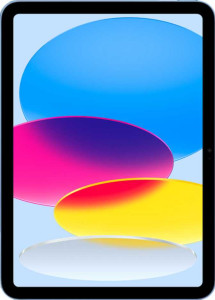
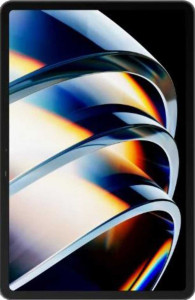
Connectivity sets these tablets apart immediately. The Apple iPad (2025) includes a cellular module with 5G support and GPS, making it a genuinely mobile device capable of staying connected and location-aware without Wi-Fi. The Xpad GT is Wi-Fi only with no cellular option and no GPS — a significant limitation for users who need connectivity or navigation on the go. The iPad also supports direct OS updates, ensuring timely software patches, while the Xpad GT does not, which can mean delayed or uncertain update delivery.
On privacy and security, the iPad builds a more comprehensive layer of protections: it adds Mail Privacy Protection, cross-site tracking blocking, and a fingerprint scanner for biometric authentication — none of which the Xpad GT offers. The Xpad GT counters in the customization and usability space, supporting multi-user mode (useful for shared or family devices), dynamic theming, and the ability to play games while they download — features the iPad lacks. It is also noted as free and open source, which may matter to a specific segment of users.
Overall, the Apple iPad (2025) holds the broader advantage in this group. Its cellular connectivity, GPS, stronger privacy suite, biometric security, and guaranteed direct updates represent higher-impact differentiators for most users. The Xpad GT's multi-user support and customization flexibility are genuine wins for shared-use or Android-ecosystem scenarios, but they do not outweigh the iPad's connectivity and security depth based strictly on the provided data.