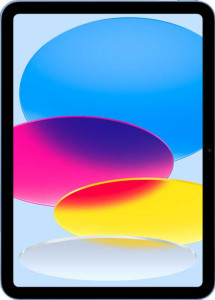
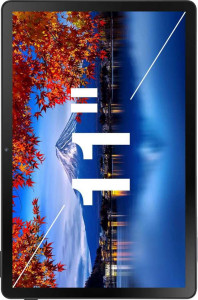
Megapixel counts are nearly identical — 12 MP on the iPad versus 13 MP on the Doogee — so the meaningful differences lie elsewhere. The iPad's main camera benefits from a BSI (Back-Side Illuminated) sensor, a hardware trait that improves light capture efficiency, particularly in lower-light conditions. It also records video at up to 4K 60fps, a significant step above the Doogee's ceiling of 1080p 60fps. For anyone shooting video on a tablet, that resolution gap is substantial: 4K footage retains far more detail for editing, cropping, or future-proofing content.
The Doogee U11 Pro counters with a more manual-control-friendly feature set: it offers manual ISO, manual white balance, and manual focus — none of which are available on the iPad — along with a flash and a video light for low-light shooting assistance. It also supports continuous autofocus during video recording, which helps keep moving subjects sharp without user intervention. These are practical tools for users who want more hands-on control over their shots. The front camera, however, swings sharply in the iPad's favor: 12 MP versus just 5 MP on the Doogee, a gap that matters for video calls and selfies.
Camera parity does not exist here, but the winner depends on use case. For video quality and front-camera performance, the Apple iPad (2025) leads clearly. The Doogee is the more capable device for manual photography control, but the iPad's 4K video capability and superior selfie camera give it the broader, more impactful advantage overall.