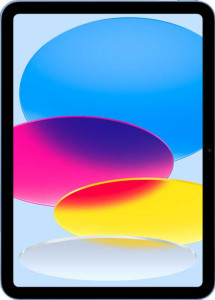
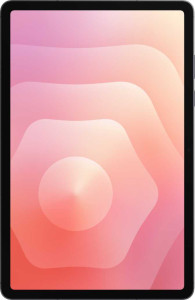
The panel technology gap here is the most consequential differentiator. The iPad (2025) uses an IPS LCD display, while the Tab S11 deploys an OLED/AMOLED panel — a fundamental difference in how images are produced. OLED drives each pixel independently, delivering true blacks, richer contrast, and more vibrant colors by nature of the technology, whereas IPS LCD relies on a backlight that cannot be fully extinguished. For media consumption, photo editing, or any color-sensitive work, this distinction is immediately visible to the naked eye.
The performance gap extends well beyond panel type. The Tab S11 refreshes at 120Hz compared to the iPad's 60Hz, which translates directly into smoother scrolling, more fluid animations, and a noticeably more responsive feel during everyday use — not just gaming. Brightness is equally lopsided: 1000 nits on the Tab S11 versus 500 nits on the iPad means the Samsung remains far more legible under direct sunlight or bright indoor lighting. The Tab S11 further reinforces its outdoor usability with an anti-reflection coating and HDR10 support, neither of which the iPad offers. Pixel density is close enough (274 ppi vs 264 ppi) that sharpness is not a meaningful differentiator in practice.
The Samsung Galaxy Tab S11 wins this category decisively. Across panel quality, refresh rate, peak brightness, glare management, and HDR capability, it outclasses the iPad (2025) at every meaningful checkpoint. The iPad's display is functional and color-accurate for an LCD, but users who prioritize screen quality will find the Tab S11 in a different league entirely.