Apple iPad Air 11 (2025) Wi-Fi + Cellular
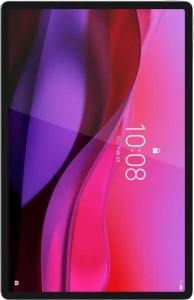
Lenovo Yoga Tab Plus

Apple iPad Air 11 (2025) Wi-Fi + Cellular Lenovo Yoga Tab Plus

Overview

Welcome to our in-depth spec comparison between the Apple iPad Air 11 (2025) Wi-Fi + Cellular and the Lenovo Yoga Tab Plus. These two tablets take notably different approaches to the premium Android and iPadOS experience, and choosing between them means weighing up key battlegrounds including display quality and refresh rate, raw processing power, everyday portability, and camera versatility. Read on to discover how every major specification stacks up before you decide.

Common Features

  • Neither product has a backlit keyboard.
  • Both products support tilt sensitivity.
  • Neither product has branded damage-resistant glass on the display.
  • Both products feature an anti-reflection coating on the display.
  • Both products have a touch screen.
  • Neither product has a sapphire glass display.
  • Neither product has an e-paper display.
  • Neither product has an external memory slot.
  • Both products support 64-bit processing.
  • Both products use big.LITTLE technology.
  • Both products have integrated graphics.
  • Both products have 8 CPU threads.
  • Both products have TrustZone support.
  • Both products support a maximum memory amount of 24GB.
  • Both products use HMP scheduling.
  • Both products have a front camera.
  • Both products have a built-in HDR mode.
  • Both products support slow-motion video recording.
  • Both products have touch autofocus.
  • Both products have a CMOS sensor.
  • Neither product has a front-facing LED flash.
  • Neither product shoots 360° panoramas in-camera.
  • Neither product has built-in optical image stabilization.
  • Both products have stereo speakers.
  • Neither product has a 3.5 mm audio jack socket.
  • Both products have 2 microphones.
  • Neither product has a radio.
  • Both products support fast charging.
  • Neither product supports wireless charging.
  • Both products have a battery level indicator.
  • Both products have a rechargeable battery.
  • Neither product has a removable battery.
  • Both products have on-device machine learning.
  • Both products have clipboard warnings.
  • Both products have location privacy options.
  • Both products have camera and microphone privacy options.
  • Both products can block app tracking.
  • Both products support split screen.
  • Both products have Live Text functionality.
  • Both products have notification permissions.
  • Both products use DDR5 memory.

Main Differences

  • Weight is 460 g on Apple iPad Air 11 (2025) Wi-Fi + Cellular and 640 g on Lenovo Yoga Tab Plus.
  • Thickness is 6.1 mm on Apple iPad Air 11 (2025) Wi-Fi + Cellular and 8.5 mm on Lenovo Yoga Tab Plus.
  • Width is 247.6 mm on Apple iPad Air 11 (2025) Wi-Fi + Cellular and 290.9 mm on Lenovo Yoga Tab Plus.
  • Height is 178.5 mm on Apple iPad Air 11 (2025) Wi-Fi + Cellular and 188.3 mm on Lenovo Yoga Tab Plus.
  • Volume is 269.60 cm³ on Apple iPad Air 11 (2025) Wi-Fi + Cellular and 465.60 cm³ on Lenovo Yoga Tab Plus.
  • A stylus is included with Lenovo Yoga Tab Plus but not with Apple iPad Air 11 (2025) Wi-Fi + Cellular.
  • A detachable keyboard is available on Lenovo Yoga Tab Plus but not on Apple iPad Air 11 (2025) Wi-Fi + Cellular.
  • Lenovo Yoga Tab Plus has water resistance while Apple iPad Air 11 (2025) Wi-Fi + Cellular has none.
  • Screen size is 11″ on Apple iPad Air 11 (2025) Wi-Fi + Cellular and 12.7″ on Lenovo Yoga Tab Plus.
  • Resolution is 2360 x 1640 px on Apple iPad Air 11 (2025) Wi-Fi + Cellular and 2944 x 1840 px on Lenovo Yoga Tab Plus.
  • Pixel density is 264 ppi on Apple iPad Air 11 (2025) Wi-Fi + Cellular and 273 ppi on Lenovo Yoga Tab Plus.
  • Refresh rate is 60Hz on Apple iPad Air 11 (2025) Wi-Fi + Cellular and 144Hz on Lenovo Yoga Tab Plus.
  • Typical brightness is 500 nits on Apple iPad Air 11 (2025) Wi-Fi + Cellular and 650 nits on Lenovo Yoga Tab Plus.
  • Internal storage is 1024GB on Apple iPad Air 11 (2025) Wi-Fi + Cellular and 512GB on Lenovo Yoga Tab Plus.
  • RAM is 8GB on Apple iPad Air 11 (2025) Wi-Fi + Cellular and 16GB on Lenovo Yoga Tab Plus.
  • The chipset is Apple M3 on Apple iPad Air 11 (2025) Wi-Fi + Cellular and Qualcomm Snapdragon 8 Gen 3 on Lenovo Yoga Tab Plus.
  • The GPU is Apple M3 GPU on Apple iPad Air 11 (2025) Wi-Fi + Cellular and Adreno 750 on Lenovo Yoga Tab Plus.
  • CPU speed is 8 x 3.4 GHz on Apple iPad Air 11 (2025) Wi-Fi + Cellular and 3 x 3.15 & 2 x 2.96 & 2 x 2.26 & 1 x 3.3 GHz on Lenovo Yoga Tab Plus.
  • Semiconductor size is 3 nm on Apple iPad Air 11 (2025) Wi-Fi + Cellular and 4 nm on Lenovo Yoga Tab Plus.
  • Supported external displays are 2 on Apple iPad Air 11 (2025) Wi-Fi + Cellular and 1 on Lenovo Yoga Tab Plus.
  • Thermal Design Power (TDP) is 20W on Apple iPad Air 11 (2025) Wi-Fi + Cellular and 12.5W on Lenovo Yoga Tab Plus.
  • Maximum memory bandwidth is 100 GB/s on Apple iPad Air 11 (2025) Wi-Fi + Cellular and 76.6 GB/s on Lenovo Yoga Tab Plus.
  • The main camera is 12 MP on Apple iPad Air 11 (2025) Wi-Fi + Cellular and 13 & 2 MP on Lenovo Yoga Tab Plus.
  • The front camera is 12MP on Apple iPad Air 11 (2025) Wi-Fi + Cellular and 13MP on Lenovo Yoga Tab Plus.
  • A flash is available on Lenovo Yoga Tab Plus but not on Apple iPad Air 11 (2025) Wi-Fi + Cellular.
  • In-camera panorama creation is supported on Apple iPad Air 11 (2025) Wi-Fi + Cellular but not on Lenovo Yoga Tab Plus.
  • A BSI sensor is present on Apple iPad Air 11 (2025) Wi-Fi + Cellular but not on Lenovo Yoga Tab Plus.
  • Manual white balance is available on Lenovo Yoga Tab Plus but not on Apple iPad Air 11 (2025) Wi-Fi + Cellular.
  • Continuous autofocus during movie recording is supported on Lenovo Yoga Tab Plus but not on Apple iPad Air 11 (2025) Wi-Fi + Cellular.
  • Manual ISO is available on Lenovo Yoga Tab Plus but not on Apple iPad Air 11 (2025) Wi-Fi + Cellular.
  • A video light is present on Lenovo Yoga Tab Plus but not on Apple iPad Air 11 (2025) Wi-Fi + Cellular.
  • Serial shot mode is supported on Apple iPad Air 11 (2025) Wi-Fi + Cellular but not on Lenovo Yoga Tab Plus.
  • Manual shutter speed is available on Apple iPad Air 11 (2025) Wi-Fi + Cellular but not on Lenovo Yoga Tab Plus.
  • Battery power is 7606 mAh on Apple iPad Air 11 (2025) Wi-Fi + Cellular and 10200 mAh on Lenovo Yoga Tab Plus.
  • Mail Privacy Protection is available on Apple iPad Air 11 (2025) Wi-Fi + Cellular but not on Lenovo Yoga Tab Plus.
  • Cross-site tracking blocking is available on Apple iPad Air 11 (2025) Wi-Fi + Cellular but not on Lenovo Yoga Tab Plus.
  • Quick Start is supported on Apple iPad Air 11 (2025) Wi-Fi + Cellular but not on Lenovo Yoga Tab Plus.
  • Theme customization is available on Lenovo Yoga Tab Plus but not on Apple iPad Air 11 (2025) Wi-Fi + Cellular.
  • Wi-Fi password sharing is available on Apple iPad Air 11 (2025) Wi-Fi + Cellular but not on Lenovo Yoga Tab Plus.
  • Playing games while downloading is supported on Lenovo Yoga Tab Plus but not on Apple iPad Air 11 (2025) Wi-Fi + Cellular.
  • An extra dim mode is available on Lenovo Yoga Tab Plus but not on Apple iPad Air 11 (2025) Wi-Fi + Cellular.
  • App offloading is supported on Apple iPad Air 11 (2025) Wi-Fi + Cellular but not on Lenovo Yoga Tab Plus.
  • Focus modes are available on Apple iPad Air 11 (2025) Wi-Fi + Cellular but not on Lenovo Yoga Tab Plus.
  • Dynamic theming is available on Lenovo Yoga Tab Plus but not on Apple iPad Air 11 (2025) Wi-Fi + Cellular.
  • A cellular module is present on Apple iPad Air 11 (2025) Wi-Fi + Cellular but not on Lenovo Yoga Tab Plus.
Specs Comparison
Apple iPad Air 11 (2025) Wi-Fi + Cellular

Apple iPad Air 11 (2025) Wi-Fi + Cellular

Lenovo Yoga Tab Plus

Lenovo Yoga Tab Plus

Design:
weight 460 g 640 g
thickness 6.1 mm 8.5 mm
width 247.6 mm 290.9 mm
height 178.5 mm 188.3 mm
volume 269.59926 cm³ 465.599995 cm³
Stylus included
Has a detachable keyboard
Has a backlit keyboard
water resistance None Water resistant
Has tilt sensitivity

The most immediate design distinction is portability. The Apple iPad Air 11 is substantially lighter at 460 g versus the Lenovo Yoga Tab Plus's 640 g — a 180 g difference that is genuinely noticeable during extended handheld use. Paired with a slimmer 6.1 mm profile compared to 8.5 mm, and a significantly smaller overall volume (269.6 cm³ vs 465.6 cm³), the iPad Air is the far more pocketable and travel-friendly device. For users who prioritize one-handed reading, commuting, or carrying the tablet in a bag alongside other gear, this gap matters.

Where the Yoga Tab Plus pushes back is in bundled productivity and durability features. It ships with a stylus included and a detachable keyboard — accessories the iPad Air does not include in the box, meaning iPad Air buyers would need to purchase them separately at additional cost. The Yoga Tab Plus also carries a water resistance rating, offering meaningful protection against splashes and spills that the iPad Air entirely lacks. Both tablets share tilt sensitivity support, and neither includes a backlit keyboard.

Overall, the design edge splits by use case. The iPad Air wins decisively on form factor and portability, making it the better companion for on-the-go or handheld scenarios. The Yoga Tab Plus, while bulkier, offers a more self-contained productivity package out of the box, with added durability from its water resistance. Users who value a lighter, slimmer slate will prefer the iPad Air; those who want a ready-to-work setup without buying extra accessories will find the Yoga Tab Plus more immediately capable.

Display:
screen size 11" 12.7"
resolution 2360 x 1640 px 2944 x 1840 px
pixel density 264 ppi 273 ppi
Display type IPS, LCD LCD, IPS
refresh rate 60Hz 144Hz
has branded damage-resistant glass
has anti-reflection coating
brightness (typical) 500 nits 650 nits
has a touch screen
Has sapphire glass display
Has an e-paper display

Screen size and refresh rate are where the Lenovo Yoga Tab Plus pulls ahead most noticeably. Its 12.7″ panel gives it meaningfully more screen real estate than the iPad Air's 11″, which translates to more comfortable multitasking, document editing, and media consumption — especially relevant given the Yoga Tab Plus's detachable keyboard. More significantly, its 144Hz refresh rate versus the iPad Air's 60Hz produces dramatically smoother scrolling, animations, and stylus input response. For anyone who has used a high-refresh display, going back to 60Hz feels noticeably less fluid.

Brightness also favors the Yoga Tab Plus at 650 nits typical versus 500 nits on the iPad Air — a gap that becomes relevant in brighter indoor environments or near windows, where the extra luminance helps maintain legibility. Pixel density, however, is effectively a wash: 273 ppi on the Yoga Tab Plus versus 264 ppi on the iPad Air, a difference too small to perceive with the naked eye at normal viewing distances. Both panels are IPS LCD technology, both include anti-reflection coatings, and neither uses branded damage-resistant glass.

On display specifications alone, the Yoga Tab Plus holds a clear advantage — it offers a larger canvas, a far smoother 144Hz refresh rate, and higher brightness, without sacrificing pixel sharpness. The iPad Air's display is competent and well-calibrated for its size, but users who prioritize display quality and immersiveness will find the Yoga Tab Plus the stronger performer in this category.

Performance:
internal storage 1024GB 512GB
RAM 8GB 16GB
Chipset (SoC) name Apple M3 Qualcomm Snapdragon 8 Gen 3
GPU name Apple M3 GPU Adreno 750
CPU speed 8 x 3.4 GHz 3 x 3.15 & 2 x 2.96 & 2 x 2.26 & 1 x 3.3 GHz
has an external memory slot
semiconductor size 3 nm 4 nm
Supports 64-bit
Uses big.LITTLE technology
Has integrated graphics
CPU threads 8 threads 8 threads
Has TrustZone
maximum memory amount 24GB 24GB
supported displays 2 1
Thermal Design Power (TDP) 20W 12.5W
Uses HMP
maximum memory bandwidth 100 GB/s 76.6 GB/s

At the heart of this comparison is a clash of two very different silicon philosophies. The iPad Air runs on the Apple M3, fabbed on a cutting-edge 3 nm process, while the Yoga Tab Plus uses the Qualcomm Snapdragon 8 Gen 3 at 4 nm. The M3 also carries a decisive lead in memory bandwidth — 100 GB/s versus 76.6 GB/s — which matters significantly for graphics-intensive tasks, machine learning workloads, and large file processing where data needs to move rapidly between the CPU, GPU, and memory. The iPad Air also doubles down on storage, offering up to 1024 GB compared to the Yoga Tab Plus's 512 GB ceiling.

The Yoga Tab Plus counters with 16 GB of RAM versus the iPad Air's 8 GB, which on paper suggests better headroom for heavy multitasking or keeping more apps active in memory. However, the practical impact of this gap depends heavily on how efficiently each operating system manages memory — raw RAM figures do not tell the whole story. Both tablets share the same 24 GB maximum memory ceiling, eight CPU threads, and big.LITTLE architecture. One practical edge for the iPad Air: it supports 2 external displays simultaneously versus the Yoga Tab Plus's single display output, which could matter for power users in desktop-style setups.

Taken together, the iPad Air holds the stronger performance profile on paper — its more advanced chip node, superior memory bandwidth, and greater storage headroom give it structural advantages in sustained, demanding workloads. The Yoga Tab Plus's higher RAM count is a genuine differentiator for multitasking-heavy Android workflows, but it does not offset the iPad Air's broader silicon advantages. For raw compute and throughput, the Apple M3 gives the iPad Air a clear edge in this category.

Cameras:
megapixels (main camera) 12 MP 13 & 2 MP
megapixels (front camera) 12MP 13MP
has a flash
has a front camera
has a built-in HDR mode
can create panoramas in-camera
supports slow-motion video recording
has touch autofocus
has a BSI sensor
has manual white balance
has a CMOS sensor
has continuous autofocus when recording movies
Has a front-facing LED flash
has manual ISO
has a video light
Shoots 360° panorama
has a serial shot mode
has built-in optical image stabilization
has 3D photo/video recording capabilities
Has a dual-tone LED flash
has manual focus
Has a RGB LED flash
has manual exposure
has manual shutter speed

Neither tablet positions cameras as a primary selling point, but meaningful differences emerge when looking at manual controls and shooting flexibility. The Lenovo Yoga Tab Plus arrives with a more versatile camera setup on paper: a dual rear system (13 MP + 2 MP), a flash, a video light, and — critically for videographers — continuous autofocus during recording. It also unlocks full manual controls including manual ISO and manual white balance, giving users granular creative control that the iPad Air does not offer. For users who want to use their tablet as a legitimate video capture tool, these additions are tangible.

The iPad Air counters with its own set of practical advantages. It includes a BSI sensor, which improves light capture efficiency — useful in lower-light conditions. It also supports panorama shooting and a serial shot mode (burst photography), while offering manual shutter speed control that the Yoga Tab Plus omits. HDR, slow-motion video, touch autofocus, and manual focus and exposure are shared across both devices, so the core shooting experience overlaps substantially.

On balance, the Yoga Tab Plus edges ahead for camera versatility — the combination of a flash, video light, continuous autofocus during video, and full manual ISO and white balance controls makes it the more capable shooting tool, particularly in video scenarios. The iPad Air's BSI sensor and burst mode are useful, but they do not fully offset the Yoga Tab Plus's broader feature set. That said, tablet cameras remain secondary features for most users, and neither device is likely to replace a dedicated camera.

Audio:
has stereo speakers
has a socket for a 3.5 mm audio jack
number of microphones 2 2
Has a radio

The audio specs for these two tablets are identical across every available data point. Both feature stereo speakers, dual microphones, no 3.5 mm headphone jack, and no built-in radio. Based strictly on the provided specifications, there is no differentiator to analyze here — this category is a complete tie.

The shared absence of a 3.5 mm audio jack is worth noting for users who rely on wired headphones, as both devices will require a USB-C adapter or Bluetooth audio. Equally, stereo speakers on both tablets means at least a baseline of spatial audio separation for media playback — preferable to mono setups common on smaller devices. The dual-microphone configuration on each supports reasonable voice capture for video calls and recordings.

Neither product holds any advantage in audio hardware as specified. Users for whom audio output quality is a deciding factor should look beyond these specs to real-world listening tests, as the provided data does not allow any distinction to be drawn between the two.

Battery:
battery power 7606 mAh 10200 mAh
Supports fast charging
has wireless charging
has a battery level indicator
has a rechargeable battery
has a removable battery

Battery capacity is the single meaningful differentiator here. The Lenovo Yoga Tab Plus packs a 10200 mAh cell versus the iPad Air's 7606 mAh — a roughly 34% larger reserve. All else being equal, a bigger battery directly translates to longer time between charges, and this gap is substantial enough to be felt in daily use. For users who intend to use their tablet away from a power source for extended stretches — travel, all-day work sessions, or media consumption — the Yoga Tab Plus has a structural advantage on paper.

It is worth noting, however, that real-world battery life depends heavily on factors beyond raw capacity: screen size, display refresh rate, processor efficiency, and software optimization all play a role. The iPad Air's more efficient 3 nm M3 chip and smaller, lower-refresh display could narrow the gap in practice. That said, the specs provided in this category give no basis to offset the Yoga Tab Plus's significantly larger battery — the capacity advantage stands.

Everything else in this category is identical: both support fast charging, neither offers wireless charging, and both have non-removable rechargeable batteries. On battery specs alone, the Yoga Tab Plus holds a clear edge by virtue of its 10200 mAh capacity, making it the stronger choice for users who prioritize longevity between charges.

Connectivity & Features:
release date March 2025 February 2025
Wi-Fi version Wi-Fi 6 (802.11ax), Wi-Fi 5 (802.11ac), Wi-Fi 4 (802.11n), Wi-Fi 6E (802.11ax) Wi-Fi 4 (802.11n), Wi-Fi 5 (802.11ac), Wi-Fi 6 (802.11ax), Wi-Fi 6E (802.11ax)
has Mail Privacy Protection
has on-device machine learning
has clipboard warnings
has location privacy options
has camera/microphone privacy options
can block app tracking
blocks cross-site tracking
supports split screen
has Live Text
has notification permissions
has full-page screenshots
has Quick Start
has theme customization
has Wi-Fi password sharing
has PiP
Can play games while they download
has an extra dim mode
can offload apps
has focus modes
has media picker
has dynamic theming
has dark mode
has battery health check
Has USB Type-C
has a cellular module
has 5G support
is a multi-user system
gets direct OS updates
has GPS
has a child lock
has an HDMI output
has NFC
Has a fingerprint scanner
USB version 3.1 3.1
Supports widgets
Bluetooth version 5.3 5.4
has a gyroscope
Is free and open source
Has offline voice recognition
has a compass
supports Wi-Fi
Has sharing intents
Has customizable notifications
Uses 3D facial recognition
supports Galileo
Has a barometer
has an accelerometer
has voice commands
Has an iris scanner
Has a built-in projector
supports Ethernet
Has an infrared sensor
Tracks the current position of a mobile device

This is the most consequential category for understanding what kind of device each tablet actually is. The iPad Air includes a cellular module with 5G, GPS, a compass, a barometer, and Galileo satellite support — a full suite of location and connectivity hardware that the Yoga Tab Plus entirely lacks. For users who need their tablet to function independently of Wi-Fi, navigate outdoors, or serve as a standalone connected device, this gap is fundamental and cannot be bridged by software. The iPad Air also benefits from a fingerprint scanner and direct OS updates, meaning security patches and new features arrive immediately from Apple rather than through a manufacturer or carrier intermediary.

The Yoga Tab Plus counters with advantages rooted in Android's flexibility. It supports multiple user accounts — useful in shared household or institutional settings — and offers richer personalization through dynamic theming and theme customization. It also edges ahead with Bluetooth 5.4 versus the iPad Air's 5.3, a minor but real improvement in connection stability and range. On the privacy side, the iPad Air leads with Mail Privacy Protection, cross-site tracking blocking, focus modes, and the ability to offload apps — a set of features the Yoga Tab Plus does not match in full.

Taken as a whole, the iPad Air holds a broader and more impactful feature advantage. The inclusion of 5G, GPS, and a fingerprint scanner alone represents substantial real-world utility that the Yoga Tab Plus cannot replicate in the field. The Yoga Tab Plus's multi-user support and theming flexibility are genuine perks, but they are niche compared to the connectivity and sensor depth the iPad Air brings. For users who need a capable, independent, always-connected device, the iPad Air is the stronger platform in this category.

Miscellaneous:
DDR memory version 5 5

With only one data point available in this category, the comparison is straightforward: both the iPad Air 11 (2025) and the Lenovo Yoga Tab Plus use DDR5 memory, placing them on equal footing in terms of memory generation. DDR5 brings higher bandwidth and improved power efficiency compared to its predecessor, which supports the demands of modern mobile workloads — but since both devices share this specification, it confers no advantage to either.

This is a complete tie. There is no differentiator to analyze within the provided data for this group.

Comparison Summary & Verdict

After examining every specification, it is clear that both tablets serve distinct audiences. The Apple iPad Air 11 (2025) Wi-Fi + Cellular wins on portability with its significantly lighter and thinner design, offers greater internal storage at 1024GB, benefits from the powerful Apple M3 chipset with higher memory bandwidth, and adds built-in cellular connectivity. It is the stronger choice for users who prioritize a compact, fast, and highly mobile device tightly integrated into the Apple ecosystem. The Lenovo Yoga Tab Plus, on the other hand, stands out with its 144Hz high-refresh display, larger 12.7-inch screen, 650-nit brightness, 16GB of RAM, a bigger 10200 mAh battery, a bundled stylus, a detachable keyboard, and water resistance, making it the more compelling option for productivity-focused users and multimedia enthusiasts who want a feature-rich, versatile Android tablet at their desk or on the go.

Apple iPad Air 11 (2025) Wi-Fi + Cellular
Buy Apple iPad Air 11 (2025) Wi-Fi + Cellular if...

Buy the Apple iPad Air 11 (2025) Wi-Fi + Cellular if you want a lightweight, slim tablet with cellular connectivity, massive 1024GB storage, and the performance of the Apple M3 chip within the Apple ecosystem.

Lenovo Yoga Tab Plus
Buy Lenovo Yoga Tab Plus if...

Buy the Lenovo Yoga Tab Plus if you prioritize a large 144Hz display, a bundled stylus and detachable keyboard, more RAM, water resistance, and a bigger battery for all-day productivity and media consumption.