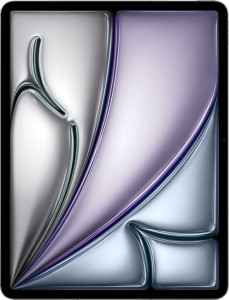
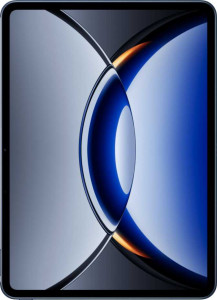
In terms of physical footprint, both tablets occupy remarkably similar space. The iPad Air 13 (2025) Wi-Fi + Cellular is slightly taller and narrower (214.9 × 280.6 mm) compared to the OnePlus Pad 3's wider, shorter profile (209.7 × 289.6 mm), reflecting different aspect ratio choices. Overall volume is nearly identical at roughly 367 vs 364 cm³, so neither device dominates in compactness. Where the difference becomes tangible is weight: the iPad Air 13 comes in at 617 g versus the OnePlus Pad 3's 675 g — a 58 g gap that, over extended one-handed use or travel, is genuinely noticeable. Both are impressively slim, separated by just 0.1 mm in thickness (6.1 mm vs 6.0 mm), making that dimension effectively a wash.
The most consequential design differentiator is accessory bundling. The OnePlus Pad 3 includes a stylus in the box, giving it immediate out-of-the-box value for note-takers and creative users without an additional purchase. The iPad Air 13, by contrast, requires buying an Apple Pencil separately — a meaningful added cost. However, the iPad counters with tilt sensitivity support (which the OnePlus Pad 3 lacks), meaning that when paired with a compatible stylus, it can interpret the angle and orientation of the pen for more nuanced drawing and shading. Neither tablet offers a detachable keyboard or any water resistance rating, so those are non-factors here.
Overall, the OnePlus Pad 3 has a practical edge for stylus users simply by including one, lowering the barrier to entry. The iPad Air 13 holds an advantage in portability with its lighter weight and, for users who invest in a stylus, offers richer tilt-based input. Neither is a clear all-around winner in design — the right choice depends on whether bundled accessories or lighter weight matters more to the buyer.