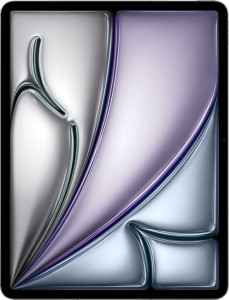
Apple iPad Air 13 (2025) Wi-Fi + Cellular
Samsung Galaxy Tab S10 FE

Apple iPad Air 13 (2025) Wi-Fi + Cellular Samsung Galaxy Tab S10 FE

Overview

Welcome to our in-depth spec comparison between the Apple iPad Air 13 (2025) Wi-Fi + Cellular and the Samsung Galaxy Tab S10 FE. These two tablets take notably different approaches across several key battlegrounds, including display size and performance, design priorities, camera flexibility, and software ecosystem features. Whether you are chasing raw power and a larger canvas or a more portable everyday companion, this breakdown will help you find the right fit.

Common Features

  • Neither product includes a detachable keyboard.
  • Neither product includes a backlit keyboard.
  • Both products have a typical brightness of 600 nits.
  • Both products feature a touch screen.
  • Neither product has a sapphire glass display.
  • Neither product supports HDR10+.
  • Neither product has an e-paper display.
  • Both products support 64-bit processing.
  • Both products use big.LITTLE technology.
  • Both products have integrated graphics.
  • Both products have 8 CPU threads.
  • Both products use HMP (Heterogeneous Multi-Processing).
  • Both products have a 12MP front camera.
  • Neither product includes a flash.
  • Both products have a front camera.
  • Both products have a built-in HDR mode.
  • Both products support touch autofocus.
  • Both products use a CMOS sensor.
  • Neither product has a front-facing LED flash.
  • Both products have stereo speakers.
  • Neither product has a 3.5mm audio jack.
  • Neither product has a radio.
  • Both products support fast charging.
  • Neither product supports wireless charging.
  • Both products have a battery level indicator.
  • Both products have a rechargeable battery.
  • Neither product has a removable battery.
  • Both products have on-device machine learning.
  • Both products have clipboard warnings.
  • Both products have location privacy options.
  • Both products have camera and microphone privacy options.
  • Both products can block app tracking.
  • Both products support split screen.
  • Both products have Live Text.
  • Both products have notification permissions.
  • Both products use DDR5 memory.

Main Differences

  • Weight is 617g on Apple iPad Air 13 (2025) Wi-Fi + Cellular and 500g on Samsung Galaxy Tab S10 FE.
  • Thickness is 6.1mm on Apple iPad Air 13 (2025) Wi-Fi + Cellular and 6mm on Samsung Galaxy Tab S10 FE.
  • Width is 280.6mm on Apple iPad Air 13 (2025) Wi-Fi + Cellular and 254.3mm on Samsung Galaxy Tab S10 FE.
  • Height is 214.9mm on Apple iPad Air 13 (2025) Wi-Fi + Cellular and 165.8mm on Samsung Galaxy Tab S10 FE.
  • Volume is 367.84 cm³ on Apple iPad Air 13 (2025) Wi-Fi + Cellular and 252.98 cm³ on Samsung Galaxy Tab S10 FE.
  • A stylus is included with Samsung Galaxy Tab S10 FE but not with Apple iPad Air 13 (2025) Wi-Fi + Cellular.
  • Water resistance is present on Samsung Galaxy Tab S10 FE (Waterproof) but Apple iPad Air 13 (2025) Wi-Fi + Cellular has no water resistance rating.
  • Screen size is 13″ on Apple iPad Air 13 (2025) Wi-Fi + Cellular and 10.9″ on Samsung Galaxy Tab S10 FE.
  • Resolution is 2048x2732px on Apple iPad Air 13 (2025) Wi-Fi + Cellular and 2304x1440px on Samsung Galaxy Tab S10 FE.
  • Pixel density is 264 ppi on Apple iPad Air 13 (2025) Wi-Fi + Cellular and 249 ppi on Samsung Galaxy Tab S10 FE.
  • Display type is IPS LCD on Apple iPad Air 13 (2025) Wi-Fi + Cellular and LCD on Samsung Galaxy Tab S10 FE.
  • Refresh rate is 60Hz on Apple iPad Air 13 (2025) Wi-Fi + Cellular and 90Hz on Samsung Galaxy Tab S10 FE.
  • Damage-resistant glass branding is present on Samsung Galaxy Tab S10 FE but not on Apple iPad Air 13 (2025) Wi-Fi + Cellular.
  • An anti-reflection coating is present on Apple iPad Air 13 (2025) Wi-Fi + Cellular but not on Samsung Galaxy Tab S10 FE.
  • Internal storage is 1024GB on Apple iPad Air 13 (2025) Wi-Fi + Cellular and 256GB on Samsung Galaxy Tab S10 FE.
  • RAM is 8GB on Apple iPad Air 13 (2025) Wi-Fi + Cellular and 12GB on Samsung Galaxy Tab S10 FE.
  • The chipset is Apple M3 on Apple iPad Air 13 (2025) Wi-Fi + Cellular and Samsung Exynos 1580 on Samsung Galaxy Tab S10 FE.
  • The GPU is Apple M3 GPU on Apple iPad Air 13 (2025) Wi-Fi + Cellular and Xclipse 530 on Samsung Galaxy Tab S10 FE.
  • CPU speed is 4x3.2GHz & 4x2GHz on Apple iPad Air 13 (2025) Wi-Fi + Cellular and 1x2.9GHz, 3x2.6GHz & 4x1.95GHz on Samsung Galaxy Tab S10 FE.
  • An external memory slot is available on Samsung Galaxy Tab S10 FE but not on Apple iPad Air 13 (2025) Wi-Fi + Cellular.
  • Semiconductor size is 3nm on Apple iPad Air 13 (2025) Wi-Fi + Cellular and 4nm on Samsung Galaxy Tab S10 FE.
  • Maximum memory amount is 24GB on Apple iPad Air 13 (2025) Wi-Fi + Cellular and 12GB on Samsung Galaxy Tab S10 FE.
  • Maximum memory bandwidth is 100 GB/s on Apple iPad Air 13 (2025) Wi-Fi + Cellular and 51.2 GB/s on Samsung Galaxy Tab S10 FE.
  • Main camera resolution is 12MP on Apple iPad Air 13 (2025) Wi-Fi + Cellular and 13MP on Samsung Galaxy Tab S10 FE.
  • Main camera video recording goes up to 2160p at 60fps on Apple iPad Air 13 (2025) Wi-Fi + Cellular and 2160p at 30fps on Samsung Galaxy Tab S10 FE.
  • In-camera panorama creation is available on Apple iPad Air 13 (2025) Wi-Fi + Cellular but not on Samsung Galaxy Tab S10 FE.
  • Slow-motion video recording is supported on Apple iPad Air 13 (2025) Wi-Fi + Cellular but not on Samsung Galaxy Tab S10 FE.
  • Manual white balance is available on Samsung Galaxy Tab S10 FE but not on Apple iPad Air 13 (2025) Wi-Fi + Cellular.
  • Main camera aperture is f/1.8 on Apple iPad Air 13 (2025) Wi-Fi + Cellular and f/2 on Samsung Galaxy Tab S10 FE.
  • Continuous autofocus during video recording is available on Samsung Galaxy Tab S10 FE but not on Apple iPad Air 13 (2025) Wi-Fi + Cellular.
  • Manual ISO control is available on Samsung Galaxy Tab S10 FE but not on Apple iPad Air 13 (2025) Wi-Fi + Cellular.
  • A serial shot (burst) mode is available on Apple iPad Air 13 (2025) Wi-Fi + Cellular but not on Samsung Galaxy Tab S10 FE.
  • Manual shutter speed control is available on Apple iPad Air 13 (2025) Wi-Fi + Cellular but not on Samsung Galaxy Tab S10 FE.
  • Number of microphones is 2 on Apple iPad Air 13 (2025) Wi-Fi + Cellular and 3 on Samsung Galaxy Tab S10 FE.
  • Battery capacity is 9705 mAh on Apple iPad Air 13 (2025) Wi-Fi + Cellular and 8000 mAh on Samsung Galaxy Tab S10 FE.
  • Mail Privacy Protection is available on Apple iPad Air 13 (2025) Wi-Fi + Cellular but not on Samsung Galaxy Tab S10 FE.
  • Cross-site tracking blocking is available on Apple iPad Air 13 (2025) Wi-Fi + Cellular but not on Samsung Galaxy Tab S10 FE.
  • Quick Start is available on Apple iPad Air 13 (2025) Wi-Fi + Cellular but not on Samsung Galaxy Tab S10 FE.
  • Theme customization is available on Samsung Galaxy Tab S10 FE but not on Apple iPad Air 13 (2025) Wi-Fi + Cellular.
  • Wi-Fi password sharing is available on Apple iPad Air 13 (2025) Wi-Fi + Cellular but not on Samsung Galaxy Tab S10 FE.
  • Playing games while they download is supported on Samsung Galaxy Tab S10 FE but not on Apple iPad Air 13 (2025) Wi-Fi + Cellular.
  • An extra dim mode is available on Samsung Galaxy Tab S10 FE but not on Apple iPad Air 13 (2025) Wi-Fi + Cellular.
  • Focus modes are available on Apple iPad Air 13 (2025) Wi-Fi + Cellular but not on Samsung Galaxy Tab S10 FE.
  • Dynamic theming is available on Samsung Galaxy Tab S10 FE but not on Apple iPad Air 13 (2025) Wi-Fi + Cellular.
  • Multi-user support is available on Samsung Galaxy Tab S10 FE but Apple iPad Air 13 (2025) Wi-Fi + Cellular is not a multi-user system.
Specs Comparison
Apple iPad Air 13 (2025) Wi-Fi + Cellular

Apple iPad Air 13 (2025) Wi-Fi + Cellular

Samsung Galaxy Tab S10 FE

Samsung Galaxy Tab S10 FE

Design:
weight 617 g 500 g
thickness 6.1 mm 6 mm
width 280.6 mm 254.3 mm
height 214.9 mm 165.8 mm
volume 367.835734 cm³ 252.97764 cm³
Stylus included
Has a detachable keyboard
Has a backlit keyboard
water resistance None Waterproof

The most immediate design distinction between these two tablets is sheer size. The Apple iPad Air 13 (2025) is a genuinely large device at 280.6 × 214.9 mm with a volume of roughly 368 cm³, whereas the Samsung Galaxy Tab S10 FE is a noticeably more compact slate at 254.3 × 165.8 mm and just 253 cm³. That size gap translates directly into portability: the Tab S10 FE weighs 500 g compared to the iPad Air 13's 617 g, a 117 g difference that becomes meaningful during extended one-handed use or when carrying the device in a bag all day. Thickness is essentially a non-factor, as both land at a nearly identical 6.0–6.1 mm, making each impressively slim for its respective footprint.

Beyond dimensions, two spec-level differentiators carry real-world weight. The Tab S10 FE ships with a stylus included, meaning users get active pen input out of the box at no additional cost — a practical advantage for note-takers and digital artists. The iPad Air 13 does not bundle a stylus, so pen functionality requires a separate purchase. Additionally, the Tab S10 FE carries a waterproof rating, offering meaningful protection against splashes, rain, or accidental spills, while the iPad Air 13 lists no water resistance whatsoever — a genuine vulnerability in everyday environments. Neither tablet includes a detachable or backlit keyboard.

On balance, the Samsung Galaxy Tab S10 FE holds a clear design advantage for users who prioritize portability and durability: it is lighter, more pocketable, comes with a stylus at no extra cost, and offers water protection the iPad Air 13 simply lacks. The iPad Air 13's larger footprint is a deliberate trade-off suited to productivity and media consumption on a bigger canvas, but from a pure design-and-build-practicality standpoint, the Tab S10 FE delivers more features in a more manageable form factor.

Display:
screen size 13" 10.9"
resolution 2048 x 2732 px 2304 x 1440 px
pixel density 264 ppi 249 ppi
Display type IPS, LCD LCD
refresh rate 60Hz 90Hz
has branded damage-resistant glass
has anti-reflection coating
brightness (typical) 600 nits 600 nits
has a touch screen
Has sapphire glass display
supports HDR10+
Has an e-paper display

Screen size is the most defining display difference here. The iPad Air 13's 13″ panel dwarfs the Tab S10 FE's 10.9″ screen — a gap that fundamentally changes how each tablet feels for multitasking, reading, or watching content. Despite that size difference, pixel density lands surprisingly close: 264 ppi on the iPad Air 13 versus 249 ppi on the Tab S10 FE. Both are sharp enough that individual pixels are indistinguishable at normal viewing distances, so neither holds a meaningful clarity advantage in practice. Both panels are also LCD-based, meaning neither offers the deep blacks or vibrant contrast of an OLED display.

Where the two diverge more meaningfully is in refresh rate and glass protection. The Tab S10 FE runs at 90 Hz, making scrolling and animations visibly smoother compared to the iPad Air 13's standard 60 Hz. That extra fluidity is something users notice daily. On the other hand, the Tab S10 FE uses branded damage-resistant glass — a tangible durability advantage for drop and scratch resistance — while the iPad Air 13 skips this but compensates with an anti-reflection coating, which reduces glare in bright or outdoor environments. Both panels hit an identical 600 nits of typical brightness.

This category ends in a genuine split, with each tablet winning on a different axis. The iPad Air 13 offers a vastly larger canvas and better outdoor usability thanks to its anti-reflection coating. The Tab S10 FE counters with a smoother 90 Hz refresh rate and more durable glass. Users who prioritize screen real estate and glare reduction will lean toward the iPad Air 13; those who value fluidity and physical resilience will find the Tab S10 FE more compelling.

Performance:
internal storage 1024GB 256GB
RAM 8GB 12GB
Chipset (SoC) name Apple M3 Samsung Exynos 1580
GPU name Apple M3 GPU Xclipse 530
CPU speed 4 x 3.2 & 4 x 2 GHz 1 x 2.9 & 3 x 2.6 & 4 x 1.95 GHz
has an external memory slot
semiconductor size 3 nm 4 nm
Supports 64-bit
Uses big.LITTLE technology
Has integrated graphics
CPU threads 8 threads 8 threads
maximum memory amount 24GB 12GB
Uses HMP
maximum memory bandwidth 100 GB/s 51.2 GB/s

The chipset gap between these two tablets is substantial. The iPad Air 13 runs on Apple's M3, built on a 3 nm process, while the Tab S10 FE uses Samsung's Exynos 1580 on a 4 nm node. That one-nanometer difference in fabrication reflects a broader generational and architectural divide: the M3 is a desktop-class chip designed for sustained, demanding workloads, whereas the Exynos 1580 is a mid-range mobile processor. This shows up sharply in memory bandwidth — the iPad Air 13 delivers up to 100 GB/s, nearly double the Tab S10 FE's 51.2 GB/s — a figure that directly impacts how quickly large assets, graphics tasks, and data-intensive apps are processed.

RAM and storage tell an interesting, split story. The Tab S10 FE edges ahead with 12 GB of RAM versus the iPad Air 13's 8 GB, which on paper suggests better multitasking headroom. However, the iPad Air 13 supports a maximum memory amount of 24 GB in higher configurations, and its architecture is simply more efficient at leveraging what it has. On storage, the contrast is stark: the iPad Air 13 tops out at a massive 1024 GB of internal storage, while the Tab S10 FE caps at 256 GB — though it partially offsets this with a microSD card slot, giving users a flexible and cost-effective way to expand capacity.

For raw, sustained performance, the iPad Air 13 holds a commanding advantage — the M3 chip, wider memory bandwidth, and far greater internal storage ceiling put it in a different performance class than the Exynos 1580. The Tab S10 FE's higher base RAM and expandable storage are genuine practical benefits, but they do not close the fundamental processing gap. Users with demanding workflows in creative, computational, or professional applications will find the iPad Air 13 significantly more capable; the Tab S10 FE is better suited to everyday tasks where its expandability matters more than peak throughput.

Cameras:
megapixels (main camera) 12 MP 13 MP
megapixels (front camera) 12MP 12MP
video recording (main camera) 2160 x 60 fps 2160 x 30 fps
has a flash
has a front camera
has a built-in HDR mode
can create panoramas in-camera
supports slow-motion video recording
has touch autofocus
has manual white balance
has a CMOS sensor
wide aperture (main camera) 1.8f 2f
has continuous autofocus when recording movies
Has a front-facing LED flash
has manual ISO
has a video light
Shoots 360° panorama
has a serial shot mode
has built-in optical image stabilization
has 3D photo/video recording capabilities
Has a dual-tone LED flash
has manual focus
Has a RGB LED flash
has manual exposure
has manual shutter speed

Megapixel counts are nearly identical — 12 MP on the iPad Air 13 versus 13 MP on the Tab S10 FE — so resolution is not a meaningful differentiator here. The aperture gap matters more: the iPad Air 13's f/1.8 main lens is wider than the Tab S10 FE's f/2.0, meaning it admits more light per shot, which generally benefits low-light photography. Both share a 12 MP front camera and HDR support, making selfies and video calls comparable on paper.

Video is where the iPad Air 13 pulls ahead most clearly. It captures 4K footage at 60 fps compared to the Tab S10 FE's 4K at 30 fps, delivering significantly smoother motion for action or cinematic recording. The iPad also supports slow-motion video and in-camera panoramas, features the Tab S10 FE lacks entirely. The Tab S10 FE does counter with continuous autofocus during video recording — something the iPad Air 13 surprisingly omits — which helps keep moving subjects sharp without manual intervention.

Manual control preferences tip the balance in opposite directions for still photography: the Tab S10 FE offers manual ISO and manual white balance, useful for deliberate exposure control, while the iPad Air 13 provides manual shutter speed but skips ISO and white balance adjustments. Overall, the iPad Air 13 holds the stronger camera package, driven by its wider aperture, superior video frame rate, and slow-motion capability. The Tab S10 FE appeals to users who want more granular manual still-photography controls and reliable continuous autofocus during recording, but it concedes ground on nearly every other camera dimension.

Audio:
has stereo speakers
has a socket for a 3.5 mm audio jack
number of microphones 2 3
Has a radio

Audio hardware is nearly identical across these two tablets, and the spec list is intentionally slim. Both feature stereo speakers and neither includes a 3.5 mm headphone jack, meaning wired audio requires an adapter or a USB-C headset on either device. The only meaningful differentiator in this category is microphone count: the Tab S10 FE ships with 3 microphones versus 2 on the iPad Air 13.

That extra microphone is not a trivial detail for certain users. A third mic enables more sophisticated spatial audio capture and improved noise cancellation algorithms, which can meaningfully benefit video calls, voice recordings, and dictation in noisy environments. For most casual users the gap may go unnoticed, but for anyone who frequently records audio or participates in conference calls, the Tab S10 FE has a measurable hardware advantage in this area.

Overall, this category is largely a tie with a narrow edge to the Tab S10 FE. The core speaker setup is equivalent, and both tablets make the same trade-off on the headphone jack. The additional microphone is the only differentiator the data supports, and it is a genuine — if niche — practical advantage.

Battery:
battery power 9705 mAh 8000 mAh
Supports fast charging
has wireless charging
has a battery level indicator
has a rechargeable battery
has a removable battery

Battery capacity is the sole differentiator in this category, and the gap is notable. The iPad Air 13 packs a 9705 mAh cell against the Tab S10 FE's 8000 mAh — a 21% larger reserve on paper. That said, raw mAh figures do not map directly to real-world endurance in isolation; a larger screen and more powerful chip also draw more power, so the iPad Air 13's bigger battery is partly offset by the greater demands of its 13″ display and M3 processor.

Everything else in this category is shared ground: both tablets support fast charging, neither offers wireless charging, and both use sealed, non-removable batteries. The absence of wireless charging on devices at this price tier is worth flagging — users reliant on charging pads will need to adapt on either device.

On the specs provided, the iPad Air 13 holds the battery capacity advantage, carrying nearly 1700 mAh more than the Tab S10 FE. Whether that translates into meaningfully longer screen-on time in practice depends on usage patterns and efficiency, but from a hardware standpoint it is the larger reservoir, and all other charging features between the two are identical.

Connectivity & Features:
release date March 2025 April 2025
Wi-Fi version Wi-Fi 6 (802.11ax), Wi-Fi 5 (802.11ac), Wi-Fi 4 (802.11n), Wi-Fi 6E (802.11ax) Wi-Fi 4 (802.11n), Wi-Fi 6 (802.11ax), Wi-Fi 5 (802.11ac), Wi-Fi 6E (802.11ax)
SIM cards 1 SIM, 1 eSIM 1 eSIM, 1 SIM
has Mail Privacy Protection
has on-device machine learning
has clipboard warnings
has location privacy options
has camera/microphone privacy options
can block app tracking
blocks cross-site tracking
supports split screen
has Live Text
has notification permissions
has full-page screenshots
has Quick Start
has theme customization
has Wi-Fi password sharing
has PiP
Can play games while they download
has an extra dim mode
can offload apps
has focus modes
has media picker
has dynamic theming
has dark mode
has battery health check
Has USB Type-C
has a cellular module
has 5G support
is a multi-user system
gets direct OS updates
has a child lock
has an HDMI output
has NFC
Has a fingerprint scanner
USB version 3.1 2
Supports widgets
Bluetooth version 5.3 5.3
has a gyroscope
Is free and open source
Has offline voice recognition
has a compass
supports Wi-Fi
Has sharing intents
Has customizable notifications
Uses 3D facial recognition
has an accelerometer
has voice commands
Has an iris scanner
Has a built-in projector
supports Ethernet
Has an infrared sensor
Tracks the current position of a mobile device

Shared foundations are strong: both tablets run on Wi-Fi 6E, Bluetooth 5.3, and 5G, and both support a hybrid SIM and eSIM configuration. The divergence starts at the USB port. Despite both using USB-C, the iPad Air 13 operates at USB 3.1 speeds while the Tab S10 FE is limited to USB 2.0 — a significant gap for anyone transferring large files, connecting external drives, or using the port for video output. On the other hand, the Tab S10 FE includes NFC, which the iPad Air 13 lacks entirely, enabling contactless payments and accessory pairing workflows that simply are not possible on the Apple device.

Privacy and software architecture split predictably along platform lines. The iPad Air 13 layers on additional protections — Mail Privacy Protection, cross-site tracking blocking, focus modes, and gyroscope/compass sensors — that the Tab S10 FE omits. The Tab S10 FE counters with features that reflect Android's flexibility: it is a multi-user system, supports dynamic theming, and allows games to be played while downloading. Notably, the iPad Air 13 receives direct OS updates from Apple, while the Tab S10 FE does not follow this model — a meaningful long-term consideration for security and feature access.

This category reflects two distinct philosophies rather than one clear winner. The iPad Air 13 has the stronger connectivity throughput (USB 3.1), richer privacy controls, and more reliable update delivery. The Tab S10 FE offers NFC and greater OS-level flexibility through multi-user support and customization. Users invested in a privacy-forward, high-throughput workflow will favor the iPad Air 13; those who want NFC and a more customizable, shareable device will find the Tab S10 FE a better fit.

Miscellaneous:
DDR memory version 5 5

This category contains a single data point, and it is identical across both devices: both the iPad Air 13 (2025) and the Samsung Galaxy Tab S10 FE use LPDDR5 memory. This generation of mobile RAM offers improved bandwidth and power efficiency compared to LPDDR4X, contributing to snappier multitasking and more efficient background processing on both tablets.

Since the spec is shared, it confers no advantage to either product. This is a complete tie — the memory standard alone is not a differentiating factor between these two devices.

Comparison Summary & Verdict

After examining every major specification, these two tablets serve distinct audiences. The Apple iPad Air 13 (2025) Wi-Fi + Cellular stands out with its powerful Apple M3 chipset, expansive 13″ display, significantly larger internal storage of up to 1024GB, higher memory bandwidth, and a larger battery at 9705 mAh — making it the stronger choice for demanding creative and productivity workflows. The Samsung Galaxy Tab S10 FE, on the other hand, wins on portability with its lighter 500g build, offers a bundled stylus, a 90Hz refresh rate, waterproof resistance, an expandable memory slot, and a more flexible multi-user software experience. Buyers who value ecosystem privacy features and sheer performance should lean toward the iPad Air 13, while those seeking a versatile, accessory-ready, and more portable tablet at a likely lower price point will find the Galaxy Tab S10 FE a compelling everyday option.

Apple iPad Air 13 (2025) Wi-Fi + Cellular
Buy Apple iPad Air 13 (2025) Wi-Fi + Cellular if...

Buy the Apple iPad Air 13 (2025) Wi-Fi + Cellular if you need top-tier performance with the Apple M3 chip, a large 13″ display, massive internal storage, and a robust privacy-focused software ecosystem.

Samsung Galaxy Tab S10 FE
Buy Samsung Galaxy Tab S10 FE if...

Buy the Samsung Galaxy Tab S10 FE if you prefer a lighter, more portable tablet with a bundled stylus, waterproof build, expandable storage, and a flexible multi-user Android experience.