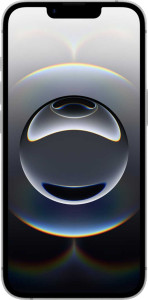
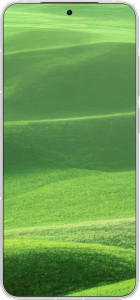
The camera hardware gap between these two phones is substantial. The Meizu 22 fields a triple 50 MP rear camera system — with three distinct apertures covering wide, ultrawide, and telephoto perspectives — while the iPhone 16e relies on a single 48 MP main lens. In practice, a multi-lens system gives the Meizu 22 far greater compositional flexibility, and its 3x optical zoom outreaches the iPhone 16e's 2x, meaning telephoto shots will retain more detail without leaning on digital cropping. The Meizu 22 also pairs its front camera with a 50 MP sensor versus the iPhone 16e's 12 MP — a meaningful resolution advantage for selfies and video calls, though the iPhone 16e's wider f/1.9 front aperture (vs f/2.1 on the Meizu 22) gives it a slight low-light edge up front.
The iPhone 16e answers back in video capabilities. It supports Dolby Vision recording and HDR10 recording, formats the Meizu 22 lacks entirely — a genuine advantage for users who shoot video destined for HDR-capable TVs or Apple devices. The iPhone 16e also retains manual shutter speed control, which the Meizu 22 omits, giving it more granular creative control in stills. Both phones share OIS, phase-detection autofocus, 4K/60fps recording, and slow-motion support, so the baseline shooting experience is competitive.
Overall, the Meizu 22 has the broader camera system for photography — more lenses, higher zoom, and a dramatically higher-resolution front camera make it the more versatile shooter. The iPhone 16e carves out a meaningful niche in video quality through its Dolby Vision and HDR10 recording support, but for users who prioritize photo flexibility and zoom range, the Meizu 22 holds a clear structural advantage.