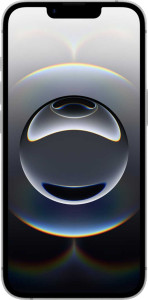
Apple iPhone 16e
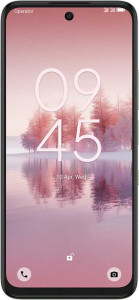
TCL 60 NxtPaper 4G

Apple iPhone 16e TCL 60 NxtPaper 4G

Overview

When comparing the Apple iPhone 16e and the TCL 60 NxtPaper 4G, two very different philosophies come into focus. From display technology and raw processing power to battery capacity and camera capabilities, these two smartphones target distinct types of users. Whether you prioritize performance and ecosystem refinement or a larger screen with longer battery life, this detailed spec-by-spec breakdown will help you make the right choice.

Common Features

  • Neither product has a rugged build.
  • Neither product can be folded.
  • Neither product has branded damage-resistant glass.
  • HDR10+ support is not available on either product.
  • Always-On Display is not available on either product.
  • Neither product has a secondary screen.
  • Both products have a touch screen.
  • Both products have 512GB of internal storage.
  • Both products have 8GB of RAM.
  • Both products have integrated LTE.
  • Both products support 64-bit processing.
  • Both products have integrated graphics.
  • Both products use big.LITTLE technology.
  • Both products use HMP.
  • Neither product has a BSI sensor.
  • Both products have a CMOS sensor.
  • Both products have continuous autofocus when recording movies.
  • Both products have phase-detection autofocus for photos.
  • Both products have a built-in HDR mode.
  • Both products support manual exposure.
  • Both products have a flash.
  • Both products have two flash LEDs.
  • Both products include clipboard warnings.
  • Both products have location privacy options.
  • Both products have camera and microphone privacy options.
  • Both products can block app tracking.
  • Both products have on-device machine learning.
  • Both products have notification permissions.
  • Both products have a media picker.
  • Both products have dark mode.
  • Both products support fast charging.
  • Neither product has a removable battery.
  • Both products have a battery level indicator.
  • Both products have a rechargeable battery.
  • Neither product supports aptX.
  • Neither product supports LDAC.
  • Neither product supports aptX HD.
  • Neither product supports aptX Adaptive.
  • Neither product supports aptX Lossless.
  • Both products have USB Type-C.
  • Both products use USB version 2.
  • Both products have NFC.
  • Neither product is DLNA-certified.
  • Both products have a gyroscope.
  • Neither product supports ANT+.
  • Neither product has a heart rate monitor.
  • Both products have GPS.
  • Both products have a video light.
  • Neither product has a sapphire glass display.
  • Neither product has a curved display.

Main Differences

  • Water resistance is rated as waterproof on Apple iPhone 16e and only water resistant on TCL 60 NxtPaper 4G.
  • Weight is 167 g on Apple iPhone 16e and 190 g on TCL 60 NxtPaper 4G.
  • Thickness is 7.8 mm on Apple iPhone 16e and 7.9 mm on TCL 60 NxtPaper 4G.
  • Width is 71.5 mm on Apple iPhone 16e and 75.5 mm on TCL 60 NxtPaper 4G.
  • Height is 146.7 mm on Apple iPhone 16e and 167.6 mm on TCL 60 NxtPaper 4G.
  • Volume is 81.81 cm³ on Apple iPhone 16e and 99.97 cm³ on TCL 60 NxtPaper 4G.
  • IP rating is IP68 on Apple iPhone 16e and IP54 on TCL 60 NxtPaper 4G.
  • Display type is OLED/AMOLED on Apple iPhone 16e and LCD IPS on TCL 60 NxtPaper 4G.
  • Screen size is 6.1″ on Apple iPhone 16e and 6.8″ on TCL 60 NxtPaper 4G.
  • Pixel density is 460 ppi on Apple iPhone 16e and 395 ppi on TCL 60 NxtPaper 4G.
  • Resolution is 1170 x 2532 px on Apple iPhone 16e and 1080 x 2460 px on TCL 60 NxtPaper 4G.
  • Refresh rate is 60Hz on Apple iPhone 16e and 90Hz on TCL 60 NxtPaper 4G.
  • HDR10 support is present on Apple iPhone 16e but not available on TCL 60 NxtPaper 4G.
  • Dolby Vision support is present on Apple iPhone 16e but not available on TCL 60 NxtPaper 4G.
  • The chipset is Apple A18 on Apple iPhone 16e and MediaTek Helio G92 on TCL 60 NxtPaper 4G.
  • The GPU is Apple A18 GPU on Apple iPhone 16e and Mali-G52 MC2 on TCL 60 NxtPaper 4G.
  • CPU speed is 2 x 4.05 & 4 x 2.42 GHz on Apple iPhone 16e and 2 x 2 & 6 x 1.8 GHz on TCL 60 NxtPaper 4G.
  • Geekbench 6 multi-core score is 7560 on Apple iPhone 16e and 1407 on TCL 60 NxtPaper 4G.
  • Geekbench 6 single-core score is 2989 on Apple iPhone 16e and 441 on TCL 60 NxtPaper 4G.
  • GPU clock speed is 1398 MHz on Apple iPhone 16e and 1000 MHz on TCL 60 NxtPaper 4G.
  • RAM speed is 4800 MHz on Apple iPhone 16e and 1866 MHz on TCL 60 NxtPaper 4G.
  • Semiconductor size is 3 nm on Apple iPhone 16e and 12 nm on TCL 60 NxtPaper 4G.
  • CPU thread count is 6 on Apple iPhone 16e and 8 on TCL 60 NxtPaper 4G.
  • Maximum memory bandwidth is 78.8 GB/s on Apple iPhone 16e and 13.41 GB/s on TCL 60 NxtPaper 4G.
  • Multithreading is supported on TCL 60 NxtPaper 4G but not on Apple iPhone 16e.
  • DDR memory version is 5 on Apple iPhone 16e and 4 on TCL 60 NxtPaper 4G.
  • Main camera resolution is 48 MP on Apple iPhone 16e and 108 & 2 MP on TCL 60 NxtPaper 4G.
  • Main camera aperture is f/1.6 on Apple iPhone 16e and f/2.4 & f/1.75 on TCL 60 NxtPaper 4G.
  • A dual-lens main camera is present on TCL 60 NxtPaper 4G but not on Apple iPhone 16e.
  • Front camera resolution is 12 MP on Apple iPhone 16e and 32 MP on TCL 60 NxtPaper 4G.
  • Optical image stabilization is built into Apple iPhone 16e but not available on TCL 60 NxtPaper 4G.
  • Main camera video recording capability is 2160p at 60 fps on Apple iPhone 16e and 1080p at 30 fps on TCL 60 NxtPaper 4G.
  • A dual-tone LED flash is present on Apple iPhone 16e but not on TCL 60 NxtPaper 4G.
  • Slow-motion video recording is supported on Apple iPhone 16e but not on TCL 60 NxtPaper 4G.
  • Optical zoom is 2x on Apple iPhone 16e and 0x on TCL 60 NxtPaper 4G.
  • Manual shutter speed is available on Apple iPhone 16e but not on TCL 60 NxtPaper 4G.
  • Front camera aperture is f/1.9 on Apple iPhone 16e and f/2.0 on TCL 60 NxtPaper 4G.
  • Timelapse function is available on Apple iPhone 16e but not on TCL 60 NxtPaper 4G.
  • Mail Privacy Protection is available on Apple iPhone 16e but not on TCL 60 NxtPaper 4G.
  • Theme customization is available on TCL 60 NxtPaper 4G but not on Apple iPhone 16e.
  • Cross-site tracking blocking is available on Apple iPhone 16e but not on TCL 60 NxtPaper 4G.
  • Playing games while they download is supported on TCL 60 NxtPaper 4G but not on Apple iPhone 16e.
  • Wi-Fi password sharing is available on Apple iPhone 16e but not on TCL 60 NxtPaper 4G.
  • An extra dim mode is available on TCL 60 NxtPaper 4G but not on Apple iPhone 16e.
  • Focus modes are available on Apple iPhone 16e but not on TCL 60 NxtPaper 4G.
  • Dynamic theming is available on TCL 60 NxtPaper 4G but not on Apple iPhone 16e.
  • Split screen is supported on TCL 60 NxtPaper 4G but not on Apple iPhone 16e.
  • Direct OS updates are available on Apple iPhone 16e but not on TCL 60 NxtPaper 4G.
  • The operating system is free and open source on TCL 60 NxtPaper 4G but not on Apple iPhone 16e.
  • Multi-user support is available on TCL 60 NxtPaper 4G but not on Apple iPhone 16e.
  • Battery capacity is 3961 mAh on Apple iPhone 16e and 5200 mAh on TCL 60 NxtPaper 4G.
  • Wireless charging is supported on Apple iPhone 16e but not on TCL 60 NxtPaper 4G.
  • Charging speed is 27W on Apple iPhone 16e and 33W on TCL 60 NxtPaper 4G.
  • A charger is included in the box with TCL 60 NxtPaper 4G but not with Apple iPhone 16e.
  • A 3.5 mm audio jack is present on TCL 60 NxtPaper 4G but not on Apple iPhone 16e.
  • Stereo speakers are present on Apple iPhone 16e but not on TCL 60 NxtPaper 4G.
  • A built-in radio is available on TCL 60 NxtPaper 4G but not on Apple iPhone 16e.
  • 5G support is available on Apple iPhone 16e but not on TCL 60 NxtPaper 4G.
  • Wi-Fi 6 (802.11ax) support is available on Apple iPhone 16e but not on TCL 60 NxtPaper 4G.
  • SIM configuration is 1 SIM and 1 eSIM on Apple iPhone 16e and dual physical SIM on TCL 60 NxtPaper 4G.
  • Bluetooth version is 5.3 on Apple iPhone 16e and 5.1 on TCL 60 NxtPaper 4G.
  • An external memory slot is available on TCL 60 NxtPaper 4G but not on Apple iPhone 16e.
  • A fingerprint scanner is present on TCL 60 NxtPaper 4G but not on Apple iPhone 16e.
  • Emergency SOS via satellite is available on Apple iPhone 16e but not on TCL 60 NxtPaper 4G.
  • Crash detection is available on Apple iPhone 16e but not on TCL 60 NxtPaper 4G.
  • 3D facial recognition is available on Apple iPhone 16e but not on TCL 60 NxtPaper 4G.
  • Optical tracking is available on Apple iPhone 16e but not on TCL 60 NxtPaper 4G.
  • An e-paper display is featured on TCL 60 NxtPaper 4G but not on Apple iPhone 16e.
Specs Comparison
Apple iPhone 16e

Apple iPhone 16e

TCL 60 NxtPaper 4G

TCL 60 NxtPaper 4G

Design:
water resistance Waterproof Water resistant
weight 167 g 190 g
thickness 7.8 mm 7.9 mm
width 71.5 mm 75.5 mm
height 146.7 mm 167.6 mm
volume 81.81459 cm³ 99.96502 cm³
Ingress Protection (IP) rating IP68 IP54
has a rugged build
can be folded

The most meaningful difference in this group is water protection. The Apple iPhone 16e carries an IP68 rating, meaning it is fully waterproof and can withstand submersion — typically up to several meters for a defined duration. The TCL 60 NxtPaper 4G, by contrast, is rated IP54, which only certifies resistance to splashes and dust ingress from most directions. In real-world terms, the iPhone 16e can survive an accidental drop in a sink or pool, while the TCL should be kept away from anything beyond light rain or the occasional splash. This is a significant practical advantage for the iPhone 16e.

Form factor also tells an important story. At 167 g and a volume of roughly 81.8 cm³, the iPhone 16e is noticeably lighter and more compact than the TCL, which weighs 190 g and occupies nearly 100 cm³. The TCL is taller and wider, reflecting a larger display footprint. The tradeoff is real: the TCL may offer more screen real estate, but the iPhone 16e will feel more pocketable and less fatiguing during extended one-handed use. Thickness is essentially identical at 7.8 mm vs 7.9 mm, so that is not a differentiator.

Neither device has a rugged build or a folding form factor, so those are non-factors here. Overall, the iPhone 16e holds a clear edge in this group: it is more compact, lighter, and substantially better protected against water, making it the stronger choice for users who prioritize durability and portability in day-to-day handling.

Display:
Display type OLED/AMOLED LCD, IPS
screen size 6.1" 6.8"
pixel density 460 ppi 395 ppi
resolution 1170 x 2532 px 1080 x 2460 px
refresh rate 60Hz 90Hz
has branded damage-resistant glass
supports HDR10
supports HDR10+
Always-On Display
supports Dolby Vision
Has a secondary screen
has a touch screen

Panel technology is where these two devices diverge most sharply. The iPhone 16e uses an OLED/AMOLED display, which delivers true blacks, superior contrast, and more vibrant colors by lighting each pixel individually. The TCL 60 NxtPaper 4G relies on an LCD IPS panel, which is perfectly functional but cannot match OLED for contrast depth or color richness — particularly noticeable when watching dark scenes or using the phone in varied lighting. The iPhone 16e also supports Dolby Vision and HDR10, meaning compatible streaming content will render with a significantly wider dynamic range. The TCL supports neither standard, so HDR content will not be displayed with the same fidelity.

The TCL does push back on two fronts: screen size and refresh rate. Its 6.8″ panel gives it a clear edge for media consumption and multitasking, compared to the iPhone 16e's 6.1″ screen. More practically, the TCL's 90Hz refresh rate makes scrolling and animations feel noticeably smoother than the iPhone 16e's standard 60Hz, which is a real day-to-day difference that many users will feel immediately. Pixel density slightly favors the iPhone at 460 ppi versus 395 ppi, though both are sharp enough that the gap is unlikely to matter at normal viewing distances.

On balance, this group does not have a single clear winner — it depends on what the user prioritizes. Those who value display quality, contrast, and HDR content will prefer the iPhone 16e's OLED panel. Those who want a larger screen and smoother scrolling will find the TCL 60 NxtPaper 4G more compelling. The iPhone 16e holds the edge in pure image quality; the TCL compensates with size and a higher refresh rate.

Performance:
internal storage 512GB 512GB
RAM 8GB 8GB
Chipset (SoC) name Apple A18 MediaTek Helio G92
GPU name Apple A18 GPU Mali-G52 MC2
CPU speed 2 x 4.05 & 4 x 2.42 GHz 2 x 2 & 6 x 1.8 GHz
Geekbench 6 result (multi) 7560 1407
Geekbench 6 result (single) 2989 441
GPU clock speed 1398 MHz 1000 MHz
Has integrated LTE
RAM speed 4800 MHz 1866 MHz
semiconductor size 3 nm 12 nm
Supports 64-bit
Has integrated graphics
Uses big.LITTLE technology
CPU threads 6 threads 8 threads
Uses HMP
maximum memory bandwidth 78.8 GB/s 13.41 GB/s
maximum memory amount 8GB 8GB
uses multithreading
DDR memory version 5 4

Raw performance is not even close here. The Apple iPhone 16e is powered by the Apple A18, a cutting-edge 3 nm chip, while the TCL 60 NxtPaper 4G runs on the MediaTek Helio G92, built on a much older 12 nm process. A smaller semiconductor node generally means greater power efficiency and higher performance per watt — and the benchmark numbers confirm exactly that. The iPhone 16e scores 2989 single-core and 7560 multi-core on Geekbench 6, compared to just 441 and 1407 for the TCL. In practical terms, this translates to dramatically faster app launches, smoother multitasking, and a far more capable experience with demanding tasks like photo processing, gaming, or on-device AI workloads.

The memory subsystem gap reinforces this advantage. The iPhone 16e's RAM operates at 4800 MHz with a maximum memory bandwidth of 78.8 GB/s, versus the TCL's 1866 MHz and just 13.41 GB/s. Higher memory bandwidth means the processor can feed data to the CPU and GPU much faster, directly benefiting tasks that move large amounts of data — video editing, gaming, and computational photography. The iPhone 16e also pairs its chip with a GPU clocked at 1398 MHz versus the TCL's 1000 MHz, pointing to a similarly lopsided gap in graphics-intensive scenarios. Both devices ship with 8 GB of RAM and up to 512 GB of storage, so those figures are evenly matched.

The iPhone 16e wins this group decisively, and it is not a marginal victory. Every meaningful performance metric — CPU throughput, GPU speed, memory bandwidth, and chip efficiency — points in the same direction. The TCL 60 NxtPaper 4G is adequate for everyday tasks like browsing and social media, but users who care about sustained performance, future-proofing, or anything computationally intensive will find the iPhone 16e in a different league entirely.
Cameras:
megapixels (main camera) 48 MP 108 & 2 MP
wide aperture (main camera) 1.6f 2.4 & 1.75f
Has a dual-lens (or multi-lens) main camera
megapixels (front camera) 12MP 32MP
has built-in optical image stabilization
video recording (main camera) 2160 x 60 fps 1080 x 30 fps
Has a dual-tone LED flash
number of flash LEDs 2 2
has a BSI sensor
has a CMOS sensor
has continuous autofocus when recording movies
Has phase-detection autofocus for photos
supports slow-motion video recording
has a built-in HDR mode
has manual exposure
has a flash
optical zoom 2x 0x
has manual ISO
has a serial shot mode
has manual focus
has a front camera
Has laser autofocus
Shoots 360° panorama
has manual white balance
shoots raw
has touch autofocus
has manual shutter speed
can create panoramas in-camera
wide aperture (front camera) 1.9f 2f
Has timelapse function
Has a front-facing LED flash
has a dual-lens (or multi-lens) front camera
supports HDR10 recording
supports Dolby Vision recording
has a front-facing camera under the display
Has a RGB LED flash
has 3D photo/video recording capabilities

Megapixel counts can be misleading, and this comparison is a good example of why. The TCL 60 NxtPaper 4G leads on paper with a 108 MP primary sensor, but the Apple iPhone 16e counters with capabilities that matter far more in practice. Most critically, the iPhone 16e features optical image stabilization (OIS) — the TCL has none. OIS physically compensates for hand movement during capture, producing sharper photos in low light and dramatically steadier video. Speaking of video, the iPhone 16e records up to 4K at 60fps with support for HDR10 and Dolby Vision recording, while the TCL tops out at 1080p at 30fps with no HDR format support at all. For anyone who shoots video, this gap is substantial.

The iPhone 16e also holds exclusive advantages in several shooting features: optical zoom at 2x (the TCL offers none), slow-motion video, manual shutter speed control, and a timelapse mode. The TCL's wider aperture on its secondary lens (f/1.75) and its higher 32 MP front camera versus the iPhone's 12 MP selfie sensor are the TCL's most notable counters, though aperture alone does not determine image quality without OIS and capable video processing behind it.

Across this group, the iPhone 16e holds a clear and decisive advantage. The combination of OIS, 4K/60fps video with professional HDR format support, optical zoom, and a richer manual control set makes it the stronger camera system by a wide margin. The TCL's high-resolution main sensor is its headline feature, but the surrounding hardware and video capabilities do not keep pace.

Operating system:
has clipboard warnings
has location privacy options
has camera/microphone privacy options
has Mail Privacy Protection
has theme customization
can block app tracking
blocks cross-site tracking
has on-device machine learning
has notification permissions
has media picker
Can play games while they download
has dark mode
has Wi-Fi password sharing
has battery health check
has an extra dim mode
has focus modes
has dynamic theming
can offload apps
Has customizable notifications
has Live Text
has full-page screenshots
supports split screen
gets direct OS updates
has PiP
Can be used as a PC
Has sharing intents
has a child lock
Supports widgets
Is free and open source
Has offline voice recognition
has voice commands
Tracks the current position of a mobile device
is a multi-user system
has Quick Start

Privacy and update policy represent the sharpest dividing lines here. The iPhone 16e benefits from direct OS updates delivered by Apple, meaning security patches and new features arrive promptly without depending on a manufacturer or carrier intermediary. The TCL 60 NxtPaper 4G does not receive direct updates, which in practice often means delayed or limited long-term support. On the privacy side, the iPhone 16e adds Mail Privacy Protection and cross-site tracking blocking — two features absent on the TCL — making it the stronger choice for users who are concerned about data exposure across apps and the web.

The TCL, running Android, brings its own meaningful advantages rooted in openness and flexibility. It supports split-screen multitasking, a multi-user system, and dynamic theming — none of which are available on the iPhone 16e. Being based on an open-source platform also appeals to users who value ecosystem transparency or customization depth. The extra dim mode and the ability to play games while they download are smaller but practical perks the TCL offers that the iPhone does not.

This group is genuinely split by user priorities. The iPhone 16e holds an edge in privacy and update reliability, which are critical for security-conscious users and those expecting long-term software support. The TCL counters with greater flexibility — split screen, multi-user support, and deeper customization make it the more versatile daily driver for power users comfortable managing their own update cadence. Neither platform dominates outright; the right choice depends on whether the user values a tightly controlled, privacy-forward experience or an open, feature-flexible one.

Battery:
battery power 3961 mAh 5200 mAh
has wireless charging
Supports fast charging
charging speed 27W 33W
comes with a charger
has a removable battery
has a battery level indicator
has a rechargeable battery

Battery capacity is a straightforward win for the TCL 60 NxtPaper 4G, which packs a 5200 mAh cell compared to the iPhone 16e's 3961 mAh. All else being equal, a larger battery means more time between charges — the TCL's roughly 31% larger capacity is a meaningful real-world gap, particularly for users who are heavy on streaming, browsing, or gaming throughout the day. The TCL also includes a charger in the box, while the iPhone 16e does not, an added out-of-pocket consideration for new iPhone buyers.

Charging speed slightly favors the TCL at 33W versus the iPhone 16e's 27W, though the difference in actual top-up times will be modest. Where the iPhone 16e meaningfully fights back is with wireless charging support — a convenience feature the TCL entirely lacks. For users accustomed to dropping their phone on a pad overnight or at a desk, this absence on the TCL is a genuine daily inconvenience. Neither device has a removable battery, so both are on equal footing there.

On balance, the TCL 60 NxtPaper 4G holds the edge in this group, primarily due to its substantially larger battery and the inclusion of a charger. The iPhone 16e's wireless charging is a real differentiator for the right user, but for those who prioritize raw endurance and value, the TCL's battery setup is the more compelling package.

Audio:
has a socket for a 3.5 mm audio jack
has stereo speakers
has aptX
has LDAC
has aptX HD
has aptX Adaptive
has aptX Lossless
Has a radio

Each device takes a different path in audio, and neither is a clear sweep. The iPhone 16e opts for stereo speakers, which produce a noticeably wider, more immersive soundstage when watching videos or listening to music without headphones — a meaningful everyday advantage over a mono setup. The TCL 60 NxtPaper 4G, by contrast, has only a single speaker, which will sound narrower and less rich at the same volume levels.

Where the TCL regains ground is in wired and off-grid audio. Its 3.5 mm headphone jack means users can plug in any standard wired headphones without an adapter — a convenience the iPhone 16e, which lacks the port entirely, cannot offer. The TCL also includes an FM radio receiver, useful in areas with poor data connectivity or for users who simply prefer broadcast radio without streaming. Neither device supports advanced Bluetooth audio codecs like aptX or LDAC, so wireless audio quality is on equal footing for both.

This group is a genuine trade-off with no overall winner. Users who primarily listen through speakers will prefer the iPhone 16e's stereo output, while those who rely on wired headphones or want offline radio will find the TCL's headphone jack and FM radio more practical. The deciding factor comes down entirely to personal listening habits.

Connectivity & Features:
release date February 2025 March 2025
has 5G support
Wi-Fi version Wi-Fi 4 (802.11n), Wi-Fi 5 (802.11ac), Wi-Fi 6 (802.11ax) Wi-Fi 4 (802.11n), Wi-Fi 5 (802.11ac)
SIM cards 1 SIM, 1 eSIM 2 SIM
Bluetooth version 5.3 5.1
has an external memory slot
Has USB Type-C
USB version 2 2
has NFC
Has a fingerprint scanner
has emergency SOS via satellite
has crash detection
is DLNA-certified
has a gyroscope
supports ANT+
Has a heart rate monitor
has GPS
has a compass
supports Wi-Fi
Has an infrared sensor
has an accelerometer
has a cellular module
Has a barometer
has an HDMI output
Uses 3D facial recognition
Has an iris scanner
Stylus included
supports Galileo
Has motion tracking
Has optical tracking
Has a built-in projector

Wireless connectivity gives the iPhone 16e a structural lead. It supports 5G and Wi-Fi 6, while the TCL 60 NxtPaper 4G is capped at 4G LTE and Wi-Fi 5. In practical terms, this means the iPhone 16e is positioned for faster mobile data speeds where 5G infrastructure exists, and Wi-Fi 6 delivers better throughput and reduced congestion on compatible routers. The iPhone also runs Bluetooth 5.3 versus the TCL's 5.1, a modest but real improvement in connection stability and efficiency for wireless peripherals. For users who plan to keep their phone for several years, the iPhone 16e's network stack is simply more future-proof.

Safety and security features further differentiate the two. The iPhone 16e includes emergency SOS via satellite and crash detection — both absent on the TCL — which can be genuinely life-critical capabilities in remote areas or accident scenarios. For biometric authentication, the iPhone 16e uses 3D facial recognition, while the TCL opts for a fingerprint scanner; neither is objectively superior, though facial recognition can be more seamless in practice. The TCL counters with a dual physical SIM slot and an external memory card slot, useful for travelers or users who need to expand storage without paying a premium upfront.

Across this group, the iPhone 16e holds a clear overall advantage, anchored by 5G, Wi-Fi 6, and the uniquely important satellite SOS and crash detection features. The TCL's dual SIM and expandable storage are practical perks, but they do not offset the iPhone 16e's broader and more future-facing connectivity credentials.

Miscellaneous:
has a video light
Has sapphire glass display
Has a curved display
Has an e-paper display

This group is sparse, with both devices sharing most attributes — both have a video light, neither features sapphire glass or a curved display. The sole meaningful differentiator is that the TCL 60 NxtPaper 4G incorporates an e-paper display layer, while the iPhone 16e does not. E-paper technology is designed to reduce eye strain during extended reading sessions by mimicking the appearance of ink on paper, making the TCL a more deliberate choice for users who read for long periods on their device.

For that specific use case — avid readers, students, or anyone sensitive to prolonged screen exposure — the TCL's e-paper capability is a genuinely unique feature that the iPhone 16e simply cannot replicate. For users who do not prioritize reading comfort in that way, this distinction carries little weight in day-to-day use.

The TCL 60 NxtPaper 4G holds the only meaningful edge in this group, solely by virtue of its e-paper display. It is a niche but purposeful differentiator that speaks directly to a particular type of user. For everyone else, this group is essentially a draw.

Comparison Summary & Verdict

After examining every spec, the Apple iPhone 16e and TCL 60 NxtPaper 4G emerge as strong contenders in entirely different arenas. The iPhone 16e dominates on raw performance, thanks to its Apple A18 chip and staggering Geekbench scores, and leads on camera versatility with optical stabilization, 4K 60fps video, and optical zoom. Its IP68 waterproofing, 5G connectivity, and OLED display round out a premium experience. The TCL 60 NxtPaper 4G, on the other hand, wins on endurance with its 5200 mAh battery, offers a larger 6.8-inch screen with an e-paper display mode, includes a charger in the box, and provides practical extras like a headphone jack, expandable storage, and a fingerprint scanner. If cutting-edge power and a polished ecosystem matter most, go with the iPhone 16e. If you want a capable, feature-rich daily driver with all-day battery life at a more accessible level, the TCL 60 NxtPaper 4G delivers strong value.

Apple iPhone 16e
Buy Apple iPhone 16e if...

Buy the Apple iPhone 16e if you want top-tier performance, superior camera features including 4K video and optical zoom, 5G support, and a compact, IP68-rated design.

TCL 60 NxtPaper 4G
Buy TCL 60 NxtPaper 4G if...

Buy the TCL 60 NxtPaper 4G if you prioritize a larger screen, longer battery life, a headphone jack, expandable storage, and a bundled charger at an everyday-use focused price point.