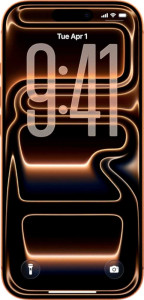
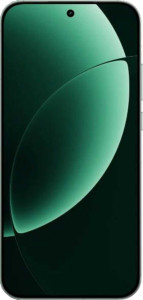
Both panels are OLED/AMOLED displays with Always-On support, HDR10, and identical 1000 nits typical brightness — a solid shared foundation. The meaningful distinctions emerge in resolution, refresh rate, and HDR ecosystem support. The Realme GT8 Pro packs a denser 508 ppi at 1440 x 3136 px compared to the iPhone 17 Pro Max's 460 ppi at 1320 x 2868 px. That 48 ppi gap is visible when reading fine text or viewing detailed imagery up close, giving the Realme a noticeably crisper image at normal viewing distances.
On motion fluidity, the Realme's 144Hz refresh rate edges out the iPhone's 120Hz — a difference most users will notice primarily in fast-scrolling UI and gaming, where the extra 24 frames per second translates to smoother, more responsive feel. The HDR formats tell a more platform-specific story: the iPhone exclusively supports Dolby Vision, which is the premium HDR tier for Apple TV+, Netflix, and other streaming services optimized for that format. The Realme instead supports HDR10+, the dynamic-metadata standard favored by Amazon Prime Video and Samsung content. Neither supports both, so your preferred streaming ecosystem is worth factoring in here.
On raw display hardware, the Realme GT8 Pro holds a technical edge — higher pixel density and a faster refresh rate are objective wins. The iPhone 17 Pro Max's advantage lies entirely in its Dolby Vision support, which matters significantly to users embedded in Apple's content ecosystem. For pure panel performance, the Realme leads; for ecosystem-matched HDR quality on Apple services, the iPhone is the better fit.