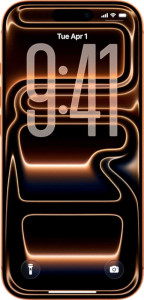
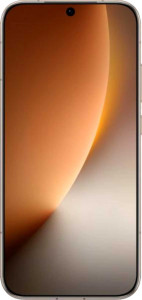
The performance picture here is genuinely split, and understanding where each chip excels matters more than any single number. In raw multi-threaded and overall system throughput, the Honor Magic 8 Pro's Snapdragon 8 Elite Gen 5 posts a striking 4,027,702 AnTuTu score — roughly 40% higher than the iPhone 17 Pro Max's 2,885,786. The Snapdragon also brings 8 CPU threads versus 6, faster 5300 MHz RAM, wider memory bandwidth at 85.1 GB/s, and a dramatically higher 1536 shading units in its GPU, suggesting a substantial computational graphics advantage on paper. It also runs at a lower 8.2W TDP, implying it achieves this output more efficiently.
Apple's A19 Pro, however, dominates single-core performance with a Geekbench 6 single-core score of 3,933 versus the Snapdragon's 3,234 — a ~22% lead that directly translates to snappier app launches, faster UI responsiveness, and better performance in tasks that cannot be parallelized. Multi-core scores are essentially tied (10,223 vs 10,059), which means real-world sustained workloads feel comparable on both. The iPhone also ships with up to 2 TB of internal storage, doubling the Honor's 1 TB ceiling — a meaningful differentiator for power users archiving large media libraries.
On balance, the Honor Magic 8 Pro has the performance edge for GPU-intensive tasks, multithreaded workloads, and memory-hungry applications — especially given its support for up to 24 GB RAM and ECC memory. The iPhone 17 Pro Max retains a clear lead in single-threaded responsiveness and storage capacity. Users who prioritize fluid everyday interactions will lean toward Apple; those pushing compute-heavy or graphics-intensive workloads will find more headroom with the Honor.