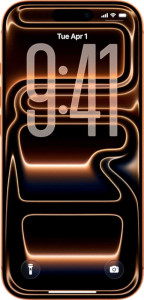
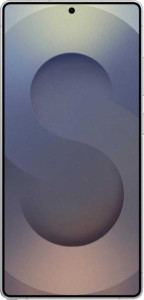
The shared baseline here is substantial — both phones offer dark mode, focus modes, customizable notifications, PiP, widgets, offline voice recognition, on-device machine learning, and a robust set of privacy controls including location permissions, camera/microphone gating, app tracking blockers, and cross-site tracking prevention. For the majority of everyday users, these overlapping capabilities mean the OS experience is more similar than different at its core.
Where they diverge is in flexibility and customization depth. The Samsung Galaxy S25 Ultra supports split-screen multitasking, dynamic theming, theme customization, an extra dim mode, and can function as a PC replacement via desktop mode — none of which are available on the iPhone 17 Pro Max per the provided data. It also supports multi-user profiles, making it far more practical as a shared device, and allows games to be played while downloading, a small but appreciated quality-of-life feature. The iPhone counters with Mail Privacy Protection — a feature that masks email open tracking and IP addresses, meaningful for privacy-conscious users — and delivers direct OS updates pushed straight from Apple, bypassing any carrier or manufacturer delay that Android devices may experience.
Taken together, the S25 Ultra holds a broader OS feature advantage for power users who value multitasking, personalization, and platform openness. The iPhone's strengths are more targeted — timely, unmediated software updates and tighter email privacy — which matter most to users prioritizing security and ecosystem consistency over configurability.