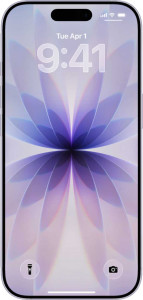
In terms of physical footprint, the two phones sit at opposite ends of the design spectrum. The iPhone 17 is notably more compact in height (149.6 mm) and width (71.5 mm), giving it a more pocket-friendly silhouette for one-handed use. The Motorola Edge 70, by contrast, is taller (159.9 mm) and wider (74 mm), which typically signals a larger display area. Despite its bigger frame, the Edge 70 is actually the lighter and slimmer device — weighing just 159 g versus the iPhone 17's 177 g, and measuring a remarkably thin 6 mm against the iPhone 17's 7.95 mm. This translates to a noticeably smaller total volume (70.99 cm³ vs 85.04 cm³), meaning the Edge 70 packs more screen real estate into a lighter, sleeker shell — a genuine engineering achievement.
On water resistance, both phones are rated Waterproof, but the nature of their protection differs meaningfully. The iPhone 17 carries an IP68 rating with an impressive submersion depth of 6 m, making it well-suited for accidental drops in pools or the ocean. The Edge 70 holds an IP69 rating, which, while limited to 1.5 m of submersion depth, adds protection against high-pressure and high-temperature water jets — a scenario IP68 does not cover. For most everyday users, the iPhone 17's deeper submersion tolerance is the more practically relevant advantage, but the Edge 70's IP69 rating is technically a higher-tier certification in industrial contexts.
Overall, neither phone has a rugged build or foldable form factor. The Edge 70 holds a clear edge in comfort and portability — it is lighter, thinner, and more voluminously compact despite its larger screen area. The iPhone 17 counters with superior waterproofing depth. Users who prioritize a sleek, lightweight feel will lean toward the Edge 70, while those who need deeper water submersion protection will find the iPhone 17 more reassuring.