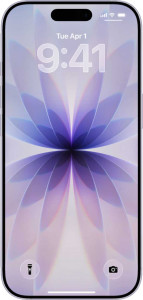
Apple iPhone 17
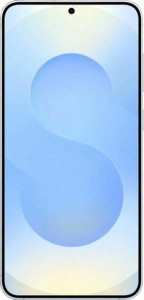
Samsung Galaxy S25

Apple iPhone 17 Samsung Galaxy S25

Overview

Welcome to our in-depth comparison of the Apple iPhone 17 and the Samsung Galaxy S25 — two flagship smartphones that represent the very best of their respective ecosystems. In this head-to-head, we examine how they stack up across critical battlegrounds including display quality and brightness, raw performance, camera versatility, battery and charging, and the deep software and connectivity features that define the everyday experience.

Common Features

  • Both phones are waterproof with an IP68 ingress protection rating.
  • Neither phone has a rugged build.
  • The lowest potential operating temperature is 0 °C on both devices.
  • The maximum operating temperature is 35 °C on both devices.
  • Neither phone can be folded.
  • Both phones feature an OLED/AMOLED display.
  • Both displays support a 120Hz refresh rate.
  • HDR10 support is available on both phones.
  • Always-On Display is available on both phones.
  • Neither phone has a secondary screen.
  • Both phones have a touchscreen.
  • Both phones have 512GB of internal storage.
  • Integrated LTE is available on both phones.
  • Both chips are built on a 3 nm semiconductor process.
  • Both phones support 64-bit processing.
  • Both phones have integrated graphics.
  • Both phones use big.LITTLE and HMP technology.
  • TrustZone security is present on both phones.
  • Both phones feature a multi-lens main camera with built-in optical image stabilization.
  • Both cameras have a dual-tone LED flash with 2 LEDs.
  • Both phones use a BSI CMOS sensor.
  • Continuous autofocus when recording movies is available on both phones.
  • Phase-detection autofocus for photos is present on both phones.
  • Clipboard warnings are available on both operating systems.
  • Location privacy options are present on both phones.
  • Camera and microphone privacy options are available on both phones.
  • Both phones can block app tracking.
  • On-device machine learning is supported on both phones.
  • Notification permissions are available on both phones.
  • A media picker is present on both phones.
  • Dark mode is supported on both phones.
  • Wireless charging is available on both phones.
  • Fast charging is supported on both phones.
  • Neither phone comes with a charger in the box.
  • Neither phone has a removable battery.
  • Both phones have a battery level indicator and a rechargeable battery.
  • Neither phone has a 3.5 mm audio jack.
  • Both phones feature stereo speakers.
  • Neither phone supports aptX HD.
  • Neither phone has a built-in radio.
  • Both phones support 5G connectivity.
  • Neither phone has an external memory slot.
  • Both phones have USB Type-C and NFC.
  • Download speed is 10000 MBits/s and upload speed is 3500 MBits/s on both phones.
  • Neither phone is DLNA-certified.
  • Both phones have a gyroscope.
  • Both phones have a video light.
  • Neither phone has a sapphire glass display.
  • Neither phone has a curved or e-paper display.

Main Differences

  • Weight is 177 g on Apple iPhone 17 and 162 g on Samsung Galaxy S25.
  • Thickness is 7.95 mm on Apple iPhone 17 and 7.2 mm on Samsung Galaxy S25.
  • Width is 71.5 mm on Apple iPhone 17 and 70.5 mm on Samsung Galaxy S25.
  • Height is 149.6 mm on Apple iPhone 17 and 146.9 mm on Samsung Galaxy S25.
  • Volume is 85.03638 cm³ on Apple iPhone 17 and 74.56644 cm³ on Samsung Galaxy S25.
  • Screen size is 6.3″ on Apple iPhone 17 and 6.2″ on Samsung Galaxy S25.
  • Pixel density is 460 ppi on Apple iPhone 17 and 416 ppi on Samsung Galaxy S25.
  • Resolution is 1206 x 2622 px on Apple iPhone 17 and 1080 x 2340 px on Samsung Galaxy S25.
  • Touch sampling rate is 120Hz on Apple iPhone 17 and 240Hz on Samsung Galaxy S25.
  • Typical brightness is 1000 nits on Apple iPhone 17 and 2600 nits on Samsung Galaxy S25.
  • Damage-resistant glass branding is present on Samsung Galaxy S25 but not on Apple iPhone 17.
  • HDR10+ support is available on Samsung Galaxy S25 but not on Apple iPhone 17.
  • Dolby Vision support is available on Apple iPhone 17 but not on Samsung Galaxy S25.
  • RAM is 8GB on Apple iPhone 17 and 12GB on Samsung Galaxy S25.
  • The chipset is Apple A19 on Apple iPhone 17 and Qualcomm Snapdragon 8 Elite on Samsung Galaxy S25.
  • CPU speed is 2 x 4.26 & 4 x 2.51 GHz on Apple iPhone 17 and 2 x 4.47 & 6 x 3.53 GHz on Samsung Galaxy S25.
  • Geekbench 6 multi-core score is 8810 on Apple iPhone 17 and 10050 on Samsung Galaxy S25.
  • Geekbench 6 single-core score is 3608 on Apple iPhone 17 and 3175 on Samsung Galaxy S25.
  • GPU clock speed is 1490 MHz on Apple iPhone 17 and 1200 MHz on Samsung Galaxy S25.
  • RAM speed is 4800 MHz on Apple iPhone 17 and 5300 MHz on Samsung Galaxy S25.
  • CPU threads count is 6 on Apple iPhone 17 and 8 on Samsung Galaxy S25.
  • Maximum memory bandwidth is 78.8 GB/s on Apple iPhone 17 and 85.1 GB/s on Samsung Galaxy S25.
  • L2 cache is 16 MB on Apple iPhone 17 and 12 MB on Samsung Galaxy S25.
  • ECC memory support is present on Samsung Galaxy S25 but not on Apple iPhone 17.
  • Maximum memory amount is 12GB on Apple iPhone 17 and 24GB on Samsung Galaxy S25.
  • Main camera megapixels are 48 & 48 MP on Apple iPhone 17 and 50 & 12 & 10 MP on Samsung Galaxy S25.
  • Main camera wide aperture is f/2.2 & f/1.6 on Apple iPhone 17 and f/1.8, f/2.2 & f/2.4 on Samsung Galaxy S25.
  • Front camera megapixels are 18MP on Apple iPhone 17 and 12MP on Samsung Galaxy S25.
  • Main camera video recording is up to 2160p at 60 fps on Apple iPhone 17 and up to 4320p at 30 fps on Samsung Galaxy S25.
  • Optical zoom is 2x on Apple iPhone 17 and 3x on Samsung Galaxy S25.
  • RAW shooting is supported on Samsung Galaxy S25 but not on Apple iPhone 17.
  • Front camera wide aperture is f/1.9 on Apple iPhone 17 and f/2.2 on Samsung Galaxy S25.
  • Maximum focal length is 26 mm on Apple iPhone 17 and 67 mm on Samsung Galaxy S25.
  • Dolby Vision recording is supported on Apple iPhone 17 but not on Samsung Galaxy S25.
  • Mail Privacy Protection is available on Apple iPhone 17 but not on Samsung Galaxy S25.
  • Theme customization is available on Samsung Galaxy S25 but not on Apple iPhone 17.
  • Cross-site tracking blocking is present on Apple iPhone 17 but not on Samsung Galaxy S25.
  • Playing games while downloading is supported on Samsung Galaxy S25 but not on Apple iPhone 17.
  • Wi-Fi password sharing is available on Apple iPhone 17 but not on Samsung Galaxy S25.
  • An extra dim mode is present on Samsung Galaxy S25 but not on Apple iPhone 17.
  • Focus modes are available on Apple iPhone 17 but not on Samsung Galaxy S25.
  • Dynamic theming is supported on Samsung Galaxy S25 but not on Apple iPhone 17.
  • Split screen is supported on Samsung Galaxy S25 but not on Apple iPhone 17.
  • Direct OS updates are available on Apple iPhone 17 but not on Samsung Galaxy S25.
  • The ability to be used as a PC is present on Samsung Galaxy S25 but not on Apple iPhone 17.
  • The operating system is free and open source on Samsung Galaxy S25 but not on Apple iPhone 17.
  • Battery capacity is 3692 mAh on Apple iPhone 17 and 4000 mAh on Samsung Galaxy S25.
  • Wired charging speed is 40W on Apple iPhone 17 and 25W on Samsung Galaxy S25.
  • Wireless charging speed is 30W on Apple iPhone 17 and 15W on Samsung Galaxy S25.
  • Reverse wireless charging is supported on Samsung Galaxy S25 but not on Apple iPhone 17.
  • aptX support is present on Samsung Galaxy S25 but not on Apple iPhone 17.
  • LDAC support is present on Samsung Galaxy S25 but not on Apple iPhone 17.
  • aptX Adaptive support is present on Samsung Galaxy S25 but not on Apple iPhone 17.
  • aptX Lossless support is present on Samsung Galaxy S25 but not on Apple iPhone 17.
  • Number of microphones is 3 on Apple iPhone 17 and 2 on Samsung Galaxy S25.
  • Wi-Fi 6E (802.11ax) support is present on Samsung Galaxy S25 but not on Apple iPhone 17.
  • SIM card support is 1 SIM and 1 eSIM on Apple iPhone 17 and 2 SIM and 2 eSIM on Samsung Galaxy S25.
  • Bluetooth version is 6 on Apple iPhone 17 and 5.4 on Samsung Galaxy S25.
  • USB version is 2 on Apple iPhone 17 and 3.2 on Samsung Galaxy S25.
  • A fingerprint scanner is present on Samsung Galaxy S25 but not on Apple iPhone 17.
  • Emergency SOS via satellite is available on Apple iPhone 17 but not on Samsung Galaxy S25.
  • Crash detection is available on Apple iPhone 17 but not on Samsung Galaxy S25.
  • ANT+ support is present on Samsung Galaxy S25 but not on Apple iPhone 17.
  • 3D facial recognition is available on Apple iPhone 17 but not on Samsung Galaxy S25.
Specs Comparison
Apple iPhone 17

Apple iPhone 17

Samsung Galaxy S25

Samsung Galaxy S25

Design:
water resistance Waterproof Waterproof
weight 177 g 162 g
thickness 7.95 mm 7.2 mm
width 71.5 mm 70.5 mm
height 149.6 mm 146.9 mm
volume 85.03638 cm³ 74.56644 cm³
Ingress Protection (IP) rating IP68 IP68
has a rugged build
lowest potential operating temperature 0 °C 0 °C
maximum operating temperature 35 °C 35 °C
can be folded

Both the Apple iPhone 17 and the Samsung Galaxy S25 share a number of foundational design traits: each carries an IP68 waterproof rating, operates within the same temperature range, and foregoes both a rugged build and a foldable form factor. For most buyers, this means equivalent peace of mind around water and dust exposure in everyday scenarios.

Where the two diverge meaningfully is in physical footprint and mass. The Galaxy S25 is notably more compact across every dimension — 146.9 × 70.5 mm versus 149.6 × 71.5 mm — and this adds up to a significantly smaller overall volume: 74.57 cm³ compared to 85.04 cm³ for the iPhone 17, a difference of roughly 12%. More tangibly, the S25 weighs 162 g against the iPhone 17's 177 g, a 15 g gap that, while modest on paper, translates to a perceptibly lighter feel during prolonged one-handed use or extended calls. The S25 is also meaningfully slimmer at 7.2 mm thick versus 7.95 mm, which affects both in-pocket comfort and how the device sits in the hand.

On design, the Samsung Galaxy S25 holds a clear edge: it is lighter, thinner, and more compact in every physical dimension while matching the iPhone 17 on protection standards. For users who prioritize a pocketable, less fatiguing device, the S25 is the stronger choice in this category. The iPhone 17 offers no offsetting design advantage based on the available data.

Display:
Display type OLED/AMOLED OLED/AMOLED
screen size 6.3" 6.2"
pixel density 460 ppi 416 ppi
resolution 1206 x 2622 px 1080 x 2340 px
refresh rate 120Hz 120Hz
touch sampling rate 120Hz 240Hz
brightness (typical) 1000 nits 2600 nits
has branded damage-resistant glass
supports HDR10
supports HDR10+
Always-On Display
supports Dolby Vision
Has a secondary screen
has a touch screen

At the panel level, both devices use OLED/AMOLED technology and share a 120Hz refresh rate, so the baseline viewing experience — smooth scrolling, deep blacks, vivid color — is comparable. The iPhone 17 pulls ahead on raw sharpness, however: its 460 ppi pixel density (driven by a higher-resolution 1206 × 2622 px panel) noticeably outclasses the S25's 416 ppi, meaning text and fine detail render with more crispness on the iPhone, which is a genuine advantage for reading-heavy users.

The Galaxy S25 counters decisively in two areas that matter for real-world usability. Its typical brightness of 2600 nits dwarfs the iPhone 17's 1000 nits, which translates to dramatically better legibility under direct sunlight — a practical daily differentiator. The S25 also doubles the iPhone's touch sampling rate at 240Hz versus 120Hz, reducing input latency in a way that gamers and stylus users will notice. Adding to this, the S25 ships with branded damage-resistant glass while the iPhone 17 does not, offering an extra layer of screen durability confidence out of the box.

HDR support splits along ecosystem lines — the iPhone 17 covers Dolby Vision while the S25 supports HDR10+ — so neither has a universal edge there. On balance, though, the Samsung Galaxy S25 holds the stronger display advantage: its vastly superior brightness and higher touch sampling rate address everyday usability more broadly than the iPhone's sharpness lead, making it the more versatile screen for varied conditions.

Performance:
internal storage 512GB 512GB
RAM 8GB 12GB
Chipset (SoC) name Apple A19 Qualcomm Snapdragon 8 Elite
CPU speed 2 x 4.26 & 4 x 2.51 GHz 2 x 4.47 & 6 x 3.53 GHz
Geekbench 6 result (multi) 8810 10050
Geekbench 6 result (single) 3608 3175
GPU clock speed 1490 MHz 1200 MHz
Has integrated LTE
RAM speed 4800 MHz 5300 MHz
semiconductor size 3 nm 3 nm
Supports 64-bit
Has integrated graphics
Uses big.LITTLE technology
CPU threads 6 threads 8 threads
Uses HMP
Has TrustZone
maximum memory bandwidth 78.8 GB/s 85.1 GB/s
L2 cache 16 MB 12 MB
Supports ECC memory
maximum memory amount 12GB 24GB
uses multithreading
Thermal Design Power (TDP) 10W 8.2W
DDR memory version 5 5
shading units 128 1536

The single most telling split here is in Geekbench 6 scores. The Apple A19 delivers a commanding single-core result of 3608 versus the Snapdragon 8 Elite's 3175, meaning the iPhone 17 executes individual tasks — app launches, UI responsiveness, everyday interactions — with a tangible speed edge. Flip to multi-core, however, and the Samsung Galaxy S25 pulls ahead with 10050 against 8810, reflecting its 8-thread CPU architecture versus the iPhone's 6 threads. In practice, the S25 handles heavier parallel workloads — video exports, AI inference across multiple streams, complex multitasking — more efficiently.

The GPU picture is similarly split but leans heavily toward the S25. The iPhone 17's GPU runs at a higher clock speed of 1490 MHz, yet the S25's chip packs a staggering 1536 shading units compared to just 128 on the A19. Shading unit count is a primary driver of graphics throughput, so the S25 holds a substantial raw GPU compute advantage for demanding 3D rendering and gaming workloads, despite the lower clock. The S25 also benefits from more RAM (12 GB vs 8 GB), faster memory (5300 vs 4800 MHz), and a higher memory bandwidth of 85.1 GB/s, all of which reduce bottlenecks when handling large assets or keeping many apps alive simultaneously.

One nuanced advantage belongs to the S25: its TDP of 8.2W undercuts the iPhone 17's 10W, suggesting the Snapdragon 8 Elite achieves its higher multi-core and memory performance more efficiently — an important consideration for sustained workloads and thermal management. On balance, the Samsung Galaxy S25 holds the broader performance edge, particularly for graphics-intensive and multi-threaded use cases, while the iPhone 17 retains a meaningful lead for users whose workflows are dominated by single-threaded, latency-sensitive tasks.
Cameras:
megapixels (main camera) 48 & 48 MP 50 & 12 & 10 MP
wide aperture (main camera) 2.2 & 1.6f 1.8 & 2.2 & 2.4f
Has a dual-lens (or multi-lens) main camera
megapixels (front camera) 18MP 12MP
has built-in optical image stabilization
video recording (main camera) 2160 x 60 fps 4320 x 30 fps
Has a dual-tone LED flash
number of flash LEDs 2 2
has a BSI sensor
has a CMOS sensor
has continuous autofocus when recording movies
Has phase-detection autofocus for photos
supports slow-motion video recording
has a built-in HDR mode
has manual exposure
has a flash
optical zoom 2x 3x
has manual ISO
has a serial shot mode
has manual focus
has a front camera
Has laser autofocus
Shoots 360° panorama
has manual white balance
shoots raw
has touch autofocus
has manual shutter speed
can create panoramas in-camera
wide aperture (front camera) 1.9f 2.2f
Has timelapse function
minimum focal length 13 mm 13 mm
maximum focal length 26 mm 67 mm
Has a front-facing LED flash
has a dual-lens (or multi-lens) front camera
supports HDR10 recording
supports Dolby Vision recording
has a front-facing camera under the display
Has a RGB LED flash
has 3D photo/video recording capabilities

The rear camera systems reflect fundamentally different philosophies. The iPhone 17 opts for a dual-lens setup — two 48 MP sensors — prioritizing high-resolution capture across its available focal lengths. The Galaxy S25 goes wider with a triple-lens system (50 + 12 + 10 MP), and the practical payoff is meaningful: a dedicated telephoto lens extends its maximum focal length to 67 mm with 3x optical zoom, compared to the iPhone 17's 26 mm ceiling and 2x zoom. For users who frequently shoot distant subjects — wildlife, sports, travel — the S25's reach is a significant real-world advantage that no software processing can fully replicate on the iPhone.

Video tells a different story. The iPhone 17 caps out at 2160p at 60 fps but supports Dolby Vision recording, giving it an edge for cinematic content destined for Apple's ecosystem or compatible displays. The S25 reaches 4320p (8K) at 30 fps, a ceiling that matters for users who want maximum resolution headroom for cropping or future-proofing footage, though the frame rate trade-off is real at that resolution. The S25 also supports RAW photo capture while the iPhone 17 does not — a notable omission for enthusiasts who want full post-processing control over their files.

Shared fundamentals — OIS, phase-detection autofocus, HDR mode, and the full suite of manual controls — mean both phones are capable imaging platforms day-to-day. But the Samsung Galaxy S25 holds a clear camera edge overall: its triple-lens versatility, longer optical zoom range, 8K video ceiling, and RAW support collectively serve a broader range of photographic scenarios than the iPhone 17's dual-camera configuration.

Operating system:
has clipboard warnings
has location privacy options
has camera/microphone privacy options
has Mail Privacy Protection
has theme customization
can block app tracking
blocks cross-site tracking
has on-device machine learning
has notification permissions
has media picker
Can play games while they download
has dark mode
has Wi-Fi password sharing
has battery health check
has an extra dim mode
has focus modes
has dynamic theming
can offload apps
Has customizable notifications
has Live Text
has full-page screenshots
supports split screen
gets direct OS updates
has PiP
Can be used as a PC
Has sharing intents
has a child lock
Supports widgets
Is free and open source
Has offline voice recognition
has voice commands
Tracks the current position of a mobile device
is a multi-user system
has Quick Start

Privacy is where the iPhone 17 carves out a clear lead. It adds Mail Privacy Protection and cross-site tracking blocking on top of the core privacy controls both phones share — clipboard warnings, location options, and camera/microphone permissions. The Galaxy S25 lacks both of those features, which matters for users who treat their device as a privacy tool rather than just a communication device. The iPhone also delivers direct OS updates, meaning security patches arrive immediately without carrier or manufacturer delays — a meaningful, ongoing advantage the S25 cannot match, as its updates are filtered through Samsung's release pipeline.

Versatility and personalization, however, swing firmly toward the Galaxy S25. It supports split-screen multitasking, multi-user profiles, DeX-style PC use, and dynamic theming — features the iPhone 17 entirely lacks. For users who share a device, need a desktop-like experience, or simply want deeper visual customization, the S25 offers a substantially more flexible environment. The ability to play games while downloading and an extra dim mode for low-light comfort are smaller but practical additions that the iPhone omits.

These two OSes serve genuinely different user priorities, making this category a split rather than a clean win for either side. Users who value privacy controls and update reliability will find the iPhone 17's ecosystem more reassuring; those who prioritize flexibility, multitasking, and customization will get more from the Galaxy S25. Neither phone dominates outright — the edge depends entirely on what the individual user values most.

Battery:
battery power 3692 mAh 4000 mAh
has wireless charging
Supports fast charging
charging speed 40W 25W
wireless charging speed 30W 15W
has reverse wireless charging
comes with a charger
has a removable battery
has a battery level indicator
has a rechargeable battery

Raw capacity is close but favors the Galaxy S25: its 4000 mAh cell edges out the iPhone 17's 3692 mAh, a roughly 8% difference. That gap is modest enough that real-world endurance will depend heavily on software efficiency and display power draw, but all else being equal, the larger cell provides a slight buffer for heavy-use days.

Charging speed is where the iPhone 17 asserts a decisive advantage. Its 40W wired charging significantly outpaces the S25's 25W, meaning noticeably faster top-ups from low battery — a practical daily win for users who rely on quick charges between meetings or commutes. The wireless story follows the same pattern: 30W wireless on the iPhone 17 versus 15W on the S25, which is a substantial gap that cuts wireless charging time roughly in half. The S25 does add reverse wireless charging — useful for topping up earbuds or a smartwatch — a capability the iPhone 17 lacks entirely.

This category is genuinely split by use case. The Samsung Galaxy S25 holds a marginal edge for users prioritizing maximum capacity and the convenience of reverse wireless charging. But for anyone who values speed at the plug or the pad, the iPhone 17 charges significantly faster by both wired and wireless measures — and in everyday life, replenishment speed often matters more than a small capacity buffer. Neither phone ships with a charger, so that parity is a wash.

Audio:
has a socket for a 3.5 mm audio jack
has stereo speakers
has aptX
has LDAC
has aptX HD
has aptX Adaptive
has aptX Lossless
Has a radio
number of microphones 3 2

Wired audio is a non-issue for both devices — neither includes a 3.5mm headphone jack, and both offer stereo speakers, so the baseline listening experience from the built-in hardware is comparable on paper. The meaningful divergence lies entirely in wireless audio codec support, and here the Galaxy S25 holds a substantial lead. It covers aptX, aptX Adaptive, aptX Lossless, and LDAC — a comprehensive stack that enables high-resolution, low-latency wireless audio with compatible headphones. The iPhone 17 supports none of these codecs, which limits wireless playback to standard compressed Bluetooth audio regardless of how premium the connected headphones are.

For casual listeners using mainstream true-wireless earbuds, this gap may go unnoticed day-to-day. But for audiophiles or users who have invested in high-end Bluetooth headphones supporting LDAC or aptX Lossless, the S25 can actually deliver near-lossless audio quality wirelessly — a capability the iPhone 17 simply cannot provide. This is a genuine, non-trivial differentiator for a specific but significant segment of buyers.

The iPhone 17 counters with 3 microphones versus the S25's 2, which can contribute to better noise isolation and spatial audio capture during calls and recordings. That is a real but narrower advantage. On balance, the Samsung Galaxy S25 wins the audio category clearly — its wireless codec versatility addresses a wider range of listening scenarios and represents a meaningful hardware capability the iPhone 17 entirely lacks.

Connectivity & Features:
release date September 2025 January 2025
has 5G support
Wi-Fi version Wi-Fi 6 (802.11ax), Wi-Fi 5 (802.11ac), Wi-Fi 4 (802.11n), Wi-Fi 7 (802.11be) Wi-Fi 4 (802.11n), Wi-Fi 6 (802.11ax), Wi-Fi 5 (802.11ac), Wi-Fi 7 (802.11be), Wi-Fi 6E (802.11ax)
SIM cards 1 SIM, 1 eSIM 2 SIM, 2 eSIM
Bluetooth version 6 5.4
has an external memory slot
Has USB Type-C
USB version 2 3.2
has NFC
download speed 10000 MBits/s 10000 MBits/s
upload speed 3500 MBits/s 3500 MBits/s
Has a fingerprint scanner
has emergency SOS via satellite
has crash detection
is DLNA-certified
has a gyroscope
supports ANT+
Has a heart rate monitor
has GPS
has a compass
supports Wi-Fi
Has an infrared sensor
has an accelerometer
has a cellular module
Has a barometer
has an HDMI output
Uses 3D facial recognition
Has an iris scanner
Stylus included
supports Galileo
Has motion tracking
Has optical tracking
Has a built-in projector

Two differences stand out as genuinely impactful for everyday users. First, the iPhone 17's Bluetooth 6 is a newer standard than the S25's Bluetooth 5.4, offering improved connection stability and efficiency with compatible accessories. Second, and more critically, the iPhone 17 supports emergency SOS via satellite and crash detection — features the S25 entirely lacks. For users who travel in remote areas or simply want a safety net, these capabilities represent a meaningful real-world advantage that no connectivity spec can substitute for.

The Galaxy S25 counters with its own set of practical wins. Its USB 3.2 port delivers dramatically faster wired data transfer than the iPhone 17's USB 2.0 — a gap that becomes obvious when offloading large video files or using the phone as external storage. The S25 also supports Wi-Fi 6E, adding access to the less congested 6 GHz band that the iPhone 17 misses, and its dual physical SIM plus dual eSIM configuration (2 SIM + 2 eSIM) offers significantly more flexibility for travelers or users managing separate personal and work lines versus the iPhone's single SIM and single eSIM. ANT+ support on the S25 is a niche but real bonus for fitness device ecosystems.

On biometric authentication, the two phones diverge by method rather than capability: the S25 has an in-display fingerprint scanner while the iPhone 17 uses 3D facial recognition, so neither has an inherent security edge — it comes down to personal preference. Overall, this category is closely contested, but the iPhone 17 holds a narrow edge thanks to its newer Bluetooth standard and — most distinctively — its satellite safety features, which are hard to discount for users who prioritize emergency preparedness.

Miscellaneous:
has a video light
Has sapphire glass display
Has a curved display
Has an e-paper display

Across every spec in this group, the Apple iPhone 17 and Samsung Galaxy S25 are in complete lockstep. Both include a video light, and neither features sapphire glass, a curved display, or an e-paper display. There is no differentiator to analyze here — the data is identical on all four points.

This is a clear tie. Based strictly on the provided specifications, neither phone holds any advantage over the other in this category.

Comparison Summary & Verdict

After examining the full spec sheet, both devices prove themselves as genuine flagship contenders with meaningful distinctions. The Apple iPhone 17 stands out with its sharper 460 ppi display, superior single-core performance, faster wired and wireless charging, a higher-resolution 18MP front camera, 3D facial recognition, and exclusive features like emergency SOS via satellite, crash detection, and Dolby Vision recording. The Samsung Galaxy S25, on the other hand, counters with a dramatically brighter 2600-nit screen, a more versatile triple-lens camera with 3x optical zoom and RAW shooting, 12GB of RAM, a larger battery, a richer audio codec selection including LDAC and aptX, and a far more flexible Android software experience with split-screen and PC mode. Choose the iPhone 17 if you live in the Apple ecosystem and value charging speed, display sharpness, and safety features. Opt for the Galaxy S25 if camera flexibility, screen brightness, and Android versatility are your top priorities.

Apple iPhone 17
Buy Apple iPhone 17 if...

Buy the Apple iPhone 17 if you prioritize a sharper display, faster wired and wireless charging, a higher-resolution selfie camera, and exclusive safety features like emergency SOS via satellite and crash detection.

Samsung Galaxy S25
Buy Samsung Galaxy S25 if...

Buy the Samsung Galaxy S25 if you want a brighter screen, a more versatile triple-lens camera with 3x optical zoom and RAW support, more RAM, a larger battery with reverse wireless charging, and a richer Android software experience.