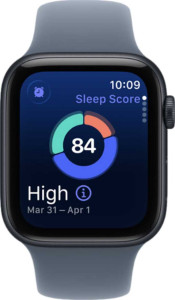
A strong common baseline exists here: both watches track sleep with full reports, monitor steps and distance, measure pace, detect activities automatically, tag exercises, and count swim strokes. For the average user, that shared feature set already covers most day-to-day fitness needs. The divergence, however, reveals that these two watches are quietly optimized for different kinds of athletes.
The SE 3 pulls ahead for general sport and outdoor use by offering route tracking, elevation tracking, and multi-sport mode — none of which the Vivoactive 6 supports. Route tracking lets users map and revisit their paths, elevation data adds meaningful context for hikes and trail runs, and multi-sport mode is essential for triathletes or anyone who chains multiple disciplines in a single session. Losing all three on the Vivoactive 6 is a significant gap for active, variety-driven users. The Vivoactive 6 counters with calorie intake tracking and a dedicated golf mode — the former being useful for users managing nutrition alongside fitness, and the latter being a niche but complete feature for golfers that the SE 3 simply cannot match.
Taken together, the SE 3 holds a clearer advantage in this category for athletes who train across multiple sports or outdoor environments, thanks to its route, elevation, and multi-sport capabilities. The Vivoactive 6 carves out a specific edge for golfers and users focused on diet-plus-fitness tracking, but those are narrower use cases. For breadth of activity tracking, the SE 3 has the stronger overall profile here.