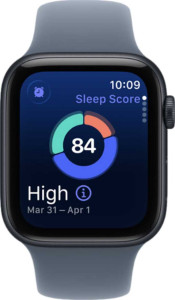
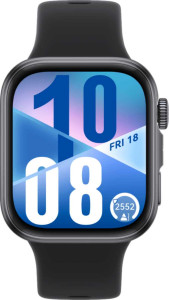
The app and software ecosystems of these two watches share a remarkably strong common base: both are free, ad-free, and offer activity reports, inactivity alerts, calorie burn tracking, goal setting, achievements, exercise diary, personalization, voice feedback, music playback, and a full suite of reproductive health features including period notifications, ovulation prediction, and start date forecasting. For the overwhelming majority of users, this shared foundation is comprehensive enough that differences may only matter at the margins.
Those margins, however, are meaningful. The Huawei Watch Fit 4 extends its app with coaching, water intake tracking, and weight tracking — three additions that collectively push it closer to a holistic wellness platform rather than a pure fitness tracker. Coaching provides guided workout support that more passive trackers lack, while water and weight logging close the loop on daily health habits that calorie tracking alone cannot capture. The Apple Watch SE 3's counterpoint is temperature tracking within the app, which ties directly into its onboard temperature sensor and enriches the reproductive health and recovery data it can surface — a cohesive hardware-software integration that the Huawei cannot replicate on the software side without the underlying sensor.
Narrowly, the Huawei Watch Fit 4 edges ahead in this category. Its three additional app features — coaching, water tracking, and weight tracking — address a broader set of everyday wellness goals and will be relevant to more users than temperature-based app insights. That said, for users invested in the Apple ecosystem and temperature-informed health tracking, the SE 3's software remains tightly integrated and highly capable.