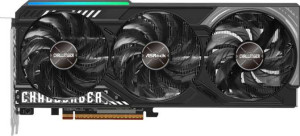
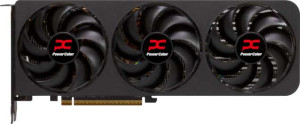
For the first time in this comparison, the Features group surfaces two genuine differentiators. The most technically significant is the DirectX version: the ASRock Challenger supports DirectX 12 Ultimate, while the PowerColor Reaper is listed at DirectX 12. This distinction matters because DirectX 12 Ultimate is the superset that formally certifies support for hardware ray tracing tiers, mesh shaders, variable rate shading, and sampler feedback — capabilities that game developers increasingly target. Both cards list ray tracing support, but the Ultimate certification on the Challenger signals a more complete and forward-compatible feature profile on paper.
Beyond DirectX, both cards share the same software ecosystem: FSR4 upscaling support, AMD SAM for CPU-to-GPU bandwidth optimization, and compatibility with up to four simultaneous displays. Neither supports DLSS, which is expected for AMD hardware, and neither carries a mining limiter. The second differentiator is aesthetic — the Challenger includes RGB lighting, while the Reaper does not. For builders who invest in a themed system, this is a meaningful distinction; for those indifferent to aesthetics, it carries no performance relevance.
On balance, the ASRock Challenger holds a narrow edge in this group. The DirectX 12 Ultimate listing is the more substantive advantage, offering a broader feature guarantee for current and future titles. The added RGB lighting is a bonus for style-conscious builders. The PowerColor Reaper matches it on every functional software and display feature, but the DirectX distinction is enough to tip this category to the Challenger.