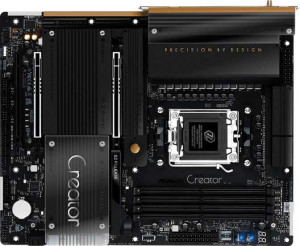
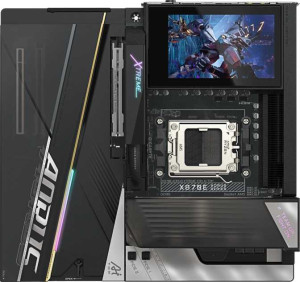
array(28) {
["_id"]=>
object(MongoDB\BSON\ObjectId)#38 (1) {
["oid"]=>
string(24) "693474909c36d5c86400d66f"
}
["name"]=>
string(26) "ASRock X870 Taichi Creator"
["name_url"]=>
string(26) "asrock-x870-taichi-creator"
["uniqueDisplayName"]=>
string(26) "ASRock X870 Taichi Creator"
["image"]=>
string(59) "/asrock-x870-taichi-creator.front.variety.1753728915650.jpg"
["release_date"]=>
int(20250718)
["release_date_2"]=>
object(MongoDB\BSON\UTCDateTime)#39 (1) {
["milliseconds"]=>
string(13) "1752796800000"
}
["status"]=>
int(10)
["sku"]=>
array(1) {
[0]=>
int(834)
}
["id"]=>
int(7826)
["images"]=>
array(2) {
["main"]=>
string(13) "/681/7826.jpg"
["small"]=>
string(17) "/681/7826_300.jpg"
}
["manufacturer"]=>
string(6) "ASRock"
["manufacturer_id"]=>
object(MongoDB\BSON\ObjectId)#40 (1) {
["oid"]=>
string(24) "69386a148da14d2a46095182"
}
["manufacturer_slug"]=>
string(6) "asrock"
["slug"]=>
string(26) "asrock-x870-taichi-creator"
["specs"]=>
array(7) {
["General info"]=>
array(21) {
["_id"]=>
string(24) "693477646e6b8cde36023368"
["cpu_socket"]=>
array(6) {
["_id"]=>
string(24) "6934ba8fc451c776b606a2c2"
["label"]=>
string(10) "CPU socket"
["value"]=>
string(3) "AM5"
["unit"]=>
string(0) ""
["kind"]=>
string(6) "ranked"
["desc"]=>
string(27) "The CPU socket/s supported."
}
["compatible_chipsets"]=>
array(6) {
["_id"]=>
string(24) "6934babc013867ad680ec23f"
["label"]=>
string(7) "chipset"
["value"]=>
string(4) "X870"
["unit"]=>
string(0) ""
["kind"]=>
string(6) "ranked"
["desc"]=>
string(36) "The motherboard chipset/s supported."
}
["form_factor"]=>
array(6) {
["_id"]=>
string(24) "6934ba8fc451c776b606a263"
["label"]=>
string(11) "form factor"
["value"]=>
string(3) "ATX"
["unit"]=>
string(0) ""
["kind"]=>
string(6) "ranked"
["desc"]=>
string(35) "The form factor of the motherboard."
}
["release_date"]=>
array(6) {
["_id"]=>
string(24) "693477646e6b8cde3602336a"
["label"]=>
string(12) "release date"
["value"]=>
int(20250718)
["unit"]=>
string(0) ""
["kind"]=>
string(6) "number"
["desc"]=>
string(57) "The date the product first became available for purchase."
}
["wlan_toggle"]=>
array(6) {
["_id"]=>
string(24) "693477646e6b8cde3602338b"
["label"]=>
string(14) "supports Wi-Fi"
["value"]=>
bool(true)
["unit"]=>
string(0) ""
["kind"]=>
string(7) "boolean"
["desc"]=>
string(32) "The device can connect to Wi-Fi."
}
["wifi"]=>
array(6) {
["_id"]=>
string(24) "693477646e6b8cde3602338c"
["label"]=>
string(13) "Wi-Fi version"
["value"]=>
string(98) "Wi-Fi 4 (802.11n), Wi-Fi 5 (802.11ac), Wi-Fi 6 (802.11ax), Wi-Fi 6E (802.11ax), Wi-Fi 7 (802.11be)"
["unit"]=>
string(0) ""
["kind"]=>
string(6) "ranked"
["desc"]=>
string(43) "The Wi-Fi versions supported by the device."
}
["built_in_bluetooth"]=>
array(6) {
["_id"]=>
string(24) "6934ba8fc451c776b606a2a3"
["label"]=>
string(13) "Has Bluetooth"
["value"]=>
bool(true)
["unit"]=>
string(0) ""
["kind"]=>
string(7) "boolean"
["desc"]=>
string(145) "Bluetooth is a wireless technology that allows you to easily transfer data between different devices, such as smartphones, tablets and computers."
}
["bluetooth"]=>
array(6) {
["_id"]=>
string(24) "693477646e6b8cde3602338d"
["label"]=>
string(17) "Bluetooth version"
["value"]=>
float(5.4)
["unit"]=>
string(0) ""
["kind"]=>
string(6) "number"
["desc"]=>
string(217) "Bluetooth is a wireless technology standard that allows data transfers between devices placed in close proximity, using short-wavelength, ultra-high frequency radio waves. Newer versions provide faster data transfers."
}
["hdmi_version_r"]=>
array(6) {
["_id"]=>
string(24) "693477646e6b8cde36023389"
["label"]=>
string(12) "HDMI version"
["value"]=>
string(8) "HDMI 2.1"
["unit"]=>
string(0) ""
["kind"]=>
string(6) "ranked"
["desc"]=>
string(101) "Newer versions of HDMI support higher bandwidth, which allows for higher resolutions and frame rates."
}
["easy_overclock"]=>
array(6) {
["_id"]=>
string(24) "69353c9deadcbcc1fd06b9d5"
["label"]=>
string(17) "Easy to overclock"
["value"]=>
bool(true)
["unit"]=>
string(0) ""
["kind"]=>
string(7) "boolean"
["desc"]=>
string(214) "Overclocking your system is normally quite a complicated procedure, but some manufacturers provide a button or a program where one click will automatically overclock your computer, giving you increased performance."
}
["rgb_lighting"]=>
array(6) {
["_id"]=>
string(24) "6934ba8fc451c776b606a29c"
["label"]=>
string(16) "has RGB lighting"
["value"]=>
bool(true)
["unit"]=>
string(0) ""
["kind"]=>
string(7) "boolean"
["desc"]=>
string(122) "RGB lighting allows you to choose between millions of colors and customize the look of your PC components and peripherals."
}
["clear_cmos"]=>
array(6) {
["_id"]=>
string(24) "69353c9deadcbcc1fd06b9d6"
["label"]=>
string(18) "Easy to reset BIOS"
["value"]=>
bool(true)
["unit"]=>
string(0) ""
["kind"]=>
string(7) "boolean"
["desc"]=>
string(289) "The motherboard has a button or switch on the rear panel to clear the CMOS, which resets the BIOS to factory settings. This is useful if something goes wrong with the BIOS which stops your computer from booting, as you can reset the BIOS without opening the case to access the CMOS jumper."
}
["dual_bios"]=>
array(6) {
["_id"]=>
string(24) "69353c9deadcbcc1fd06b9d7"
["label"]=>
string(13) "Has dual BIOS"
["value"]=>
bool(true)
["unit"]=>
string(0) ""
["kind"]=>
string(7) "boolean"
["desc"]=>
string(181) "The motherboard supports dual BIOS. If you flash a new BIOS to your motherboard and something goes wrong, you can switch to the backup BIOS so that you can still boot your computer."
}
["bluetooth_aptx"]=>
array(6) {
["_id"]=>
string(24) "6934e489b4f997e7b10ba7b3"
["label"]=>
string(8) "has aptX"
["value"]=>
bool(false)
["unit"]=>
string(0) ""
["kind"]=>
string(7) "boolean"
["desc"]=>
string(151) "aptX is a codec used for transmitting audio wirelessly with Bluetooth. It is developed by Qualcomm, and supports 16-bit audio at a bit rate of 384kbps."
}
["cpu_sockets"]=>
array(6) {
["_id"]=>
string(24) "69353c9deadcbcc1fd06b9d8"
["label"]=>
string(11) "CPU sockets"
["value"]=>
int(1)
["unit"]=>
string(0) ""
["kind"]=>
string(6) "number"
["desc"]=>
string(82) "The motherboard has more CPU sockets. Multiple CPUs are typically used in servers."
}
["int_graphics"]=>
array(6) {
["_id"]=>
string(24) "6934ba8fc451c776b606a26b"
["label"]=>
string(23) "Has integrated graphics"
["value"]=>
bool(false)
["unit"]=>
string(0) ""
["kind"]=>
string(7) "boolean"
["desc"]=>
string(74) "With integrated graphics you don’t need to buy a separate graphics card."
}
["warranty_time"]=>
array(6) {
["_id"]=>
string(24) "693493df013867ad680ec103"
["label"]=>
string(15) "warranty period"
["value"]=>
string(7) "3 years"
["unit"]=>
string(6) " years"
["kind"]=>
string(6) "number"
["desc"]=>
string(145) "When covered under the manufacturer’s warranty it is possible to get a replacement in the case of a malfunction. Note: This may vary by region."
}
["height"]=>
array(6) {
["_id"]=>
string(24) "693477646e6b8cde3602336f"
["label"]=>
string(6) "height"
["value"]=>
string(6) "244 mm"
["unit"]=>
string(3) " mm"
["kind"]=>
string(6) "number"
["desc"]=>
string(60) "The height represents the vertical dimension of the product."
}
["width"]=>
array(6) {
["_id"]=>
string(24) "693477646e6b8cde36023370"
["label"]=>
string(5) "width"
["value"]=>
string(6) "305 mm"
["unit"]=>
string(3) " mm"
["kind"]=>
string(6) "number"
["desc"]=>
string(61) "The width represents the horizontal dimension of the product."
}
["integrated_cpu"]=>
array(6) {
["_id"]=>
string(24) "69353c9deadcbcc1fd06b9d9"
["label"]=>
string(18) "Has integrated CPU"
["value"]=>
bool(false)
["unit"]=>
string(0) ""
["kind"]=>
string(7) "boolean"
["desc"]=>
string(160) "The motherboard comes with a processor built in. They are normally not very powerful but are great if you are looking to make a PC with minimal cost and effort."
}
}
["Memory"]=>
array(7) {
["_id"]=>
string(24) "6934ba8fc451c776b606a29e"
["max_mem_size"]=>
array(6) {
["_id"]=>
string(24) "6934ba8fc451c776b606a2c0"
["label"]=>
string(21) "maximum memory amount"
["value"]=>
string(5) "256GB"
["unit"]=>
string(2) "GB"
["kind"]=>
string(6) "number"
["desc"]=>
string(45) "The maximum amount of memory (RAM) supported."
}
["ram_speed_oc"]=>
array(6) {
["_id"]=>
string(24) "69353c9deadcbcc1fd06b9db"
["label"]=>
string(21) "overclocked RAM speed"
["value"]=>
string(8) "8000 MHz"
["unit"]=>
string(4) " MHz"
["kind"]=>
string(6) "number"
["desc"]=>
string(162) "The motherboard supports overclocking the RAM to a higher speed. By increasing the speed at which the memory runs, you can boost the performance of your computer."
}
["memory_slots"]=>
array(6) {
["_id"]=>
string(24) "6934ba8fc451c776b606a2a2"
["label"]=>
string(12) "memory slots"
["value"]=>
int(4)
["unit"]=>
string(0) ""
["kind"]=>
string(6) "number"
["desc"]=>
string(206) "More memory slots (also known as DIMM slots) allow you to add more RAM to your computer. It is also useful when upgrading, as you can add RAM to an empty slot instead of replacing an existing memory module."
}
["ddr_version"]=>
array(6) {
["_id"]=>
string(24) "6934ba8fc451c776b606a2a1"
["label"]=>
string(18) "DDR memory version"
["value"]=>
int(5)
["unit"]=>
string(0) ""
["kind"]=>
string(6) "number"
["desc"]=>
string(151) "DDR (Double Data Rate) memory is the most common type of RAM. Newer versions of DDR memory support higher maximum speeds and are more energy-efficient."
}
["mem_channels"]=>
array(6) {
["_id"]=>
string(24) "6934ba8fc451c776b606a2c6"
["label"]=>
string(15) "memory channels"
["value"]=>
int(2)
["unit"]=>
string(0) ""
["kind"]=>
string(6) "number"
["desc"]=>
string(89) "More memory channels increases the speed of data transfer between the memory and the CPU."
}
["mem_eec"]=>
array(6) {
["_id"]=>
string(24) "6934ba8fc451c776b606a2c5"
["label"]=>
string(19) "Supports ECC memory"
["value"]=>
bool(false)
["unit"]=>
string(0) ""
["kind"]=>
string(7) "boolean"
["desc"]=>
string(176) "Error-correcting code memory can detect and correct data corruption. It is used when is it essential to avoid corruption, such as scientific computing or when running a server."
}
}
["Ports"]=>
array(19) {
["_id"]=>
string(24) "69353c9deadcbcc1fd06b9dc"
["usb_3_2_gen2_a_ports"]=>
array(6) {
["_id"]=>
string(24) "6934ba8fc451c776b606a2a5"
["label"]=>
string(27) "USB 3.2 Gen 2 ports (USB-A)"
["value"]=>
int(2)
["unit"]=>
string(0) ""
["kind"]=>
string(6) "number"
["desc"]=>
string(129) "USB 3.2 Gen 2 supports speeds of up to 10Gbps. It was formerly known as USB 3.1 Gen 2. These ports use the older USB-A connector."
}
["usb_3_2_gen1_a_ports"]=>
array(6) {
["_id"]=>
string(24) "6934ba8fc451c776b606a2a6"
["label"]=>
string(27) "USB 3.2 Gen 1 ports (USB-A)"
["value"]=>
int(6)
["unit"]=>
string(0) ""
["kind"]=>
string(6) "number"
["desc"]=>
string(140) "USB 3.2 Gen 1 supports speeds of up to 5Gbps. It was formerly known as USB 3.1 Gen 1 and USB 3.0. These ports use the older USB-A connector."
}
["usb_3_2_gen2_c_ports"]=>
array(6) {
["_id"]=>
string(24) "6934ba8fc451c776b606a2a7"
["label"]=>
string(27) "USB 3.2 Gen 2 ports (USB-C)"
["value"]=>
int(0)
["unit"]=>
string(0) ""
["kind"]=>
string(6) "number"
["desc"]=>
string(123) "USB 3.2 Gen 2 supports speeds of up to 10Gbps. It was formerly known as USB 3.1 Gen 2. These ports use the USB-C connector."
}
["usb_3_2_gen1_c_ports"]=>
array(6) {
["_id"]=>
string(24) "6934ba8fc451c776b606a2ab"
["label"]=>
string(27) "USB 3.2 Gen 1 ports (USB-C)"
["value"]=>
int(0)
["unit"]=>
string(0) ""
["kind"]=>
string(6) "number"
["desc"]=>
string(134) "USB 3.2 Gen 1 supports speeds of up to 5Gbps. It was formerly known as USB 3.1 Gen 1 and USB 3.0. These ports use the USB-C connector."
}
["ports_usb2"]=>
array(6) {
["_id"]=>
string(24) "6934ba8fc451c776b606a2a4"
["label"]=>
string(13) "USB 2.0 ports"
["value"]=>
int(2)
["unit"]=>
string(0) ""
["kind"]=>
string(6) "number"
["desc"]=>
string(91) "More USB 2.0 ports allow you to connect more devices to your computer that support USB 2.0."
}
["usb_3_2_gen2x2_c_ports"]=>
array(6) {
["_id"]=>
string(24) "6934ba8fc451c776b606a2aa"
["label"]=>
string(21) "USB 3.2 Gen 2x2 ports"
["value"]=>
int(0)
["unit"]=>
string(0) ""
["kind"]=>
string(6) "number"
["desc"]=>
string(104) "USB 3.2 Gen 2x2 was introduced in 2019. It supports speeds of up to 20Gbps and uses the USB-C connector."
}
["usb_4_40_ports"]=>
array(6) {
["_id"]=>
string(24) "6934ba8fc451c776b606a2a8"
["label"]=>
string(18) "USB 4 40Gbps ports"
["value"]=>
int(2)
["unit"]=>
string(0) ""
["kind"]=>
string(6) "number"
["desc"]=>
string(177) "This version of USB 4 supports very high speeds of up to 40Gbps. Unlike USB 3.2, USB 4 can dynamically allocate bandwidth to video and data. These ports use the USB-C connector."
}
["usb_4_20_ports"]=>
array(6) {
["_id"]=>
string(24) "6934ba8fc451c776b606a2a9"
["label"]=>
string(18) "USB 4 20Gbps ports"
["value"]=>
int(0)
["unit"]=>
string(0) ""
["kind"]=>
string(6) "number"
["desc"]=>
string(167) "This version of USB 4 supports speeds of up to 20Gbps. Unlike USB 3.2, USB 4 can dynamically allocate bandwidth to video and data. These ports use the USB-C connector."
}
["thunderbolt4_ports"]=>
array(6) {
["_id"]=>
string(24) "6934ba8fc451c776b606a2ac"
["label"]=>
string(19) "Thunderbolt 4 ports"
["value"]=>
int(2)
["unit"]=>
string(0) ""
["kind"]=>
string(6) "number"
["desc"]=>
string(206) "The number of USB ports that are compatible with Thunderbolt 4. These ports support a total bandwidth of up to 40 Gbps. This guarantees that it can support two 4K (60 Hz) displays or one 8K (30 Hz) display."
}
["thunderbolt3_ports"]=>
array(6) {
["_id"]=>
string(24) "6934ba8fc451c776b606a2ad"
["label"]=>
string(19) "Thunderbolt 3 ports"
["value"]=>
int(0)
["unit"]=>
string(0) ""
["kind"]=>
string(6) "number"
["desc"]=>
string(204) "The number of USB ports that are compatible with Thunderbolt 3. These ports support speeds of up to 40Gbps, including a minimum of PCIe 16Gbps. This guarantees that it can support one external 4K display."
}
["hdmi"]=>
array(6) {
["_id"]=>
string(24) "6934babc013867ad680ec23e"
["label"]=>
string(18) "has an HDMI output"
["value"]=>
bool(true)
["unit"]=>
string(0) ""
["kind"]=>
string(7) "boolean"
["desc"]=>
string(148) "You can output high definition video and audio to a display. This could be through an HDMI port, Mini HDMI port, or a USB-C port that supports HDMI."
}
["displayport"]=>
array(6) {
["_id"]=>
string(24) "693477646e6b8cde36023382"
["label"]=>
string(19) "DisplayPort outputs"
["value"]=>
int(0)
["unit"]=>
string(0) ""
["kind"]=>
string(6) "number"
["desc"]=>
string(53) "Allows you to connect to a display using DisplayPort."
}
["rj45_ports"]=>
array(6) {
["_id"]=>
string(24) "6934ba8fc451c776b606a2ae"
["label"]=>
string(10) "RJ45 ports"
["value"]=>
int(2)
["unit"]=>
string(0) ""
["kind"]=>
string(6) "number"
["desc"]=>
string(245) "RJ-45 ports are used for LAN (Local Area Network) connections. With more ports you can achieve increased bandwidth across a LAN, or connect to multiple networks. It also has the added benefit of not losing connection to the network if one fails."
}
["usb_type_c"]=>
array(6) {
["_id"]=>
string(24) "693477646e6b8cde36023388"
["label"]=>
string(14) "Has USB Type-C"
["value"]=>
bool(true)
["unit"]=>
string(0) ""
["kind"]=>
string(7) "boolean"
["desc"]=>
string(72) "The USB Type-C features reversible plug orientation and cable direction."
}
["ports_esata"]=>
array(6) {
["_id"]=>
string(24) "69353c9deadcbcc1fd06b9dd"
["label"]=>
string(11) "eSATA ports"
["value"]=>
int(0)
["unit"]=>
string(0) ""
["kind"]=>
string(6) "number"
["desc"]=>
string(130) "eSATA is an external version of SATA, an interface designed for connecting a computer to mass storage devices such as hard drives."
}
["dvi"]=>
array(6) {
["_id"]=>
string(24) "6934ba8fc451c776b606a2b0"
["label"]=>
string(11) "DVI outputs"
["value"]=>
int(0)
["unit"]=>
string(0) ""
["kind"]=>
string(6) "number"
["desc"]=>
string(45) "Allows you to connect to a display using DVI."
}
["vga_connector"]=>
array(6) {
["_id"]=>
string(24) "693477646e6b8cde36023390"
["label"]=>
string(19) "has a VGA connector"
["value"]=>
bool(false)
["unit"]=>
string(0) ""
["kind"]=>
string(7) "boolean"
["desc"]=>
string(118) "VGA connector is a widespread connector and is found on many video cards, computer monitors, and some television sets."
}
["ports_ps2"]=>
array(6) {
["_id"]=>
string(24) "69353c9deadcbcc1fd06b9de"
["label"]=>
string(10) "PS/2 ports"
["value"]=>
int(0)
["unit"]=>
string(0) ""
["kind"]=>
string(6) "number"
["desc"]=>
string(190) "PS/2 ports are used to connect mice and keyboards. Although they have been replaced by USB, they are still useful in corporate environments where USB ports are disabled for security reasons."
}
}
["Connectors"]=>
array(12) {
["_id"]=>
string(24) "69353c9deadcbcc1fd06b9df"
["usb_3_2_gen1_connectors"]=>
array(6) {
["_id"]=>
string(24) "69353c9deadcbcc1fd06b9e0"
["label"]=>
string(39) "USB 3.2 Gen 1 ports (through expansion)"
["value"]=>
int(4)
["unit"]=>
string(0) ""
["kind"]=>
string(6) "number"
["desc"]=>
string(109) "The number of USB 3.2 Gen 1 ports that can be added by using the USB headers (connectors) on the motherboard."
}
["usb_3_2_gen2x2_connectors"]=>
array(6) {
["_id"]=>
string(24) "69353c9deadcbcc1fd06b9e2"
["label"]=>
string(41) "USB 3.2 Gen 2x2 ports (through expansion)"
["value"]=>
int(1)
["unit"]=>
string(0) ""
["kind"]=>
string(6) "number"
["desc"]=>
string(111) "The number of USB 3.2 Gen 2x2 ports that can be added by using the USB headers (connectors) on the motherboard."
}
["additional_usb2"]=>
array(6) {
["_id"]=>
string(24) "69353c9deadcbcc1fd06b9e4"
["label"]=>
string(33) "USB 2.0 ports (through expansion)"
["value"]=>
int(6)
["unit"]=>
string(0) ""
["kind"]=>
string(6) "number"
["desc"]=>
string(103) "The number of USB 2.0 ports that can be added by using the USB headers (connectors) on the motherboard."
}
["sata3_connectors"]=>
array(6) {
["_id"]=>
string(24) "69353c9deadcbcc1fd06b9e5"
["label"]=>
string(17) "SATA 3 connectors"
["value"]=>
int(4)
["unit"]=>
string(0) ""
["kind"]=>
string(6) "number"
["desc"]=>
string(283) "SATA is an interface used to connect mass storage devices such as hard drives and Blu-ray drives. SATA 3 has a native transfer rate of 6 Gbit/s, which is twice as fast as SATA 2, the previous revision. This is particularly useful if you use an SSD as it can perform at higher speeds."
}
["fan_headers"]=>
array(6) {
["_id"]=>
string(24) "69353c9deadcbcc1fd06b9e6"
["label"]=>
string(11) "fan headers"
["value"]=>
int(7)
["unit"]=>
string(0) ""
["kind"]=>
string(6) "number"
["desc"]=>
string(242) "Fan headers are connection points on the motherboard that cooling fans can be connected to. Fans can also be connected straight to the power supply, but when connected to the motherboard you gain much finer control over them through software."
}
["additional_usb3"]=>
array(6) {
["_id"]=>
string(24) "69353c9deadcbcc1fd06b9e7"
["label"]=>
string(33) "USB 3.0 ports (through expansion)"
["value"]=>
int(4)
["unit"]=>
string(0) ""
["kind"]=>
string(6) "number"
["desc"]=>
string(108) "The motherboard has USB 3.0 headers, which are pin connections that you can connect additional USB ports to."
}
["m2_sockets"]=>
array(6) {
["_id"]=>
string(24) "69353c9deadcbcc1fd06b9e8"
["label"]=>
string(11) "M.2 sockets"
["value"]=>
int(4)
["unit"]=>
string(0) ""
["kind"]=>
string(6) "number"
["desc"]=>
string(181) "M.2 is an interface used to connect different types of devices, mainly mass storage devices like M.2 SSDs. It is a revision of mSATA and can support much higher data transfer rates."
}
["tp_module"]=>
array(6) {
["_id"]=>
string(24) "69353c9deadcbcc1fd06b9e9"
["label"]=>
string(17) "Has TPM connector"
["value"]=>
bool(false)
["unit"]=>
string(0) ""
["kind"]=>
string(7) "boolean"
["desc"]=>
string(216) "Trusted Platform Module (TPM) is a component that significantly increases security. One example is that it allows encryption keys to be created in a secure environment, minimizing the risk of a hacker gaining access."
}
["u2_sockets"]=>
array(6) {
["_id"]=>
string(24) "69353c9deadcbcc1fd06b9ea"
["label"]=>
string(11) "U.2 sockets"
["value"]=>
int(0)
["unit"]=>
string(0) ""
["kind"]=>
string(6) "number"
["desc"]=>
string(256) "U.2 is an interface used to connect different types of devices, mainly mass storage devices. It has the same performance as M.2, but U.2 SSDs come in the form of regular 2.5" SATA drives and could therefore support much higher capacities than mSATA drives."
}
["msata"]=>
array(6) {
["_id"]=>
string(24) "69353c9deadcbcc1fd06b9eb"
["label"]=>
string(19) "Has mSATA connector"
["value"]=>
bool(false)
["unit"]=>
string(0) ""
["kind"]=>
string(7) "boolean"
["desc"]=>
string(285) "If a motherboard has an mSATA connector, you can connect an mSATA SSD drive to it that acts as a cache between the motherboard and your primary hard drive. This gives increased performance when using a traditional hard disk drive (HDD) instead of an SSD as your primary storage device."
}
["sata2_connectors"]=>
array(6) {
["_id"]=>
string(24) "69353c9deadcbcc1fd06b9ec"
["label"]=>
string(17) "SATA 2 connectors"
["value"]=>
int(0)
["unit"]=>
string(0) ""
["kind"]=>
string(6) "number"
["desc"]=>
string(144) "SATA is an interface used to connect mass storage devices such as hard drives and Blu-ray drives. SATA 2 has a native transfer rate of 3 Gbit/s."
}
}
["Expansion slots"]=>
array(9) {
["_id"]=>
string(24) "69353c9deadcbcc1fd06b9ed"
["pcie4_x16_slots"]=>
array(6) {
["_id"]=>
string(24) "69353c9deadcbcc1fd06b9ee"
["label"]=>
string(18) "PCIe 4.0 x16 slots"
["value"]=>
int(0)
["unit"]=>
string(0) ""
["kind"]=>
string(6) "number"
["desc"]=>
string(302) "PCIe slots allow you to connect various components to the motherboard, such as graphics cards and SSDs. The number of data-transmission lanes (specified by the number after the 'x') determines the data transfer rate. PCIe 4.0 provides a 16 GT/s bit rate that doubles the bandwidth provided by PCIe 3.0."
}
["pcie5_x16_slots"]=>
array(6) {
["_id"]=>
string(24) "69353c9deadcbcc1fd06b9ef"
["label"]=>
string(18) "PCIe 5.0 x16 slots"
["value"]=>
int(2)
["unit"]=>
string(0) ""
["kind"]=>
string(6) "number"
["desc"]=>
string(216) "PCIe slots allow you to connect various components to the motherboard, such as graphics cards and SSDs. The number of data-transmission lanes (specified by the number after the 'x') determines the data transfer rate."
}
["pcie3_x16_slots"]=>
array(6) {
["_id"]=>
string(24) "69353c9deadcbcc1fd06b9f0"
["label"]=>
string(18) "PCIe 3.0 x16 slots"
["value"]=>
int(1)
["unit"]=>
string(0) ""
["kind"]=>
string(6) "number"
["desc"]=>
string(294) "PCIe slots allow you to connect various components to the motherboard, such as graphics cards and sound cards. The number after the 'x' represents the number of lanes, with more lanes supporting higher data transfer rates. PCI Express 3.0 has a bit rate of 8 GT/s, delivering 985 MB/s per lane."
}
["pcie_x1_slots"]=>
array(6) {
["_id"]=>
string(24) "69353c9deadcbcc1fd06b9f1"
["label"]=>
string(13) "PCIe x1 slots"
["value"]=>
int(0)
["unit"]=>
string(0) ""
["kind"]=>
string(6) "number"
["desc"]=>
string(306) "Using PCIe slots, you can connect different components to your motherboard, such as graphics cards and RAID cards. The number after the 'x' represents the number of data-transmission lanes. More lanes result in faster data transfer rates. A PCIe x1 slot has one lane and can move data at one bit per cycle."
}
["pci_l_slots"]=>
array(6) {
["_id"]=>
string(24) "69353c9deadcbcc1fd06b9f2"
["label"]=>
string(9) "PCI slots"
["value"]=>
int(0)
["unit"]=>
string(0) ""
["kind"]=>
string(6) "number"
["desc"]=>
string(262) "PCI slots allow you to connect peripherals to the motherboard, most commonly graphics cards but also others such as sound cards and network cards. PCI has been superseded by PCI Express which offers faster data transfer rates, but many cards today still use PCI."
}
["pcie2_slots"]=>
array(6) {
["_id"]=>
string(24) "69353c9deadcbcc1fd06b9f3"
["label"]=>
string(18) "PCIe 2.0 x16 slots"
["value"]=>
int(0)
["unit"]=>
string(0) ""
["kind"]=>
string(6) "number"
["desc"]=>
string(282) "PCIe slots allow you to connect graphics cards, SSDs, and other components to the motherboard. The number after the 'x' represents the number of lanes, with more lanes supporting higher data transfer rates. PCI Express 2.0 has a transfer rate of 5 GT/s, providing 500 MB/s per lane."
}
["pcie_x4_slots"]=>
array(6) {
["_id"]=>
string(24) "69353c9deadcbcc1fd06b9f4"
["label"]=>
string(13) "PCIe x4 slots"
["value"]=>
int(0)
["unit"]=>
string(0) ""
["kind"]=>
string(6) "number"
["desc"]=>
string(294) "PCIe slots enable you to connect various components to your motherboard, for example, graphics cards, RAID cards, SSDs. The number of data-transmission lanes (specified by the number following 'x') determines the data transfer rate. A PCIe x4 slot has 4 lanes, with a speed of 4 bits per cycle."
}
["pcie_x8_slots"]=>
array(6) {
["_id"]=>
string(24) "69353c9deadcbcc1fd06b9f5"
["label"]=>
string(13) "PCIe x8 slots"
["value"]=>
int(0)
["unit"]=>
string(0) ""
["kind"]=>
string(6) "number"
["desc"]=>
string(290) "PCIe slots allow you to connect components such as graphics cards and sound cards to the motherboard. The number after the 'x' represents the number of data-transmission lanes. More lanes result in faster data transfer rates. A PCIe x8 slot has 8 lanes and can move data at 8 bit per cycle."
}
}
["Audio"]=>
array(5) {
["_id"]=>
string(24) "6934e489b4f997e7b10ba7b2"
["signal_to_noise"]=>
array(6) {
["_id"]=>
string(24) "69353c9deadcbcc1fd06b9f6"
["label"]=>
string(27) "Signal-to-Noise ratio (DAC)"
["value"]=>
string(6) "130 dB"
["unit"]=>
string(3) " dB"
["kind"]=>
string(6) "number"
["desc"]=>
string(245) "When a digital signal is converted to an analog one (for example when playing audio through speakers or headphones), a certain amount of noise is carried in the signal. A higher SNR means that there is less noise and the audio quality is better."
}
["audio_channels"]=>
array(6) {
["_id"]=>
string(24) "69353c9deadcbcc1fd06b9f7"
["label"]=>
string(14) "audio channels"
["value"]=>
float(7.1)
["unit"]=>
string(0) ""
["kind"]=>
string(6) "number"
["desc"]=>
string(144) "Each channel is a separate stream of audio information. More channels can provide a more realistic experience, such as providing surround sound."
}
["spdif"]=>
array(6) {
["_id"]=>
string(24) "6934ba8fc451c776b606a2b1"
["label"]=>
string(19) "Has S/PDIF Out port"
["value"]=>
bool(true)
["unit"]=>
string(0) ""
["kind"]=>
string(7) "boolean"
["desc"]=>
string(73) "S/PDIF is an interface used to transmit digital audio with high fidelity."
}
["audio_connectors"]=>
array(6) {
["_id"]=>
string(24) "69353c9deadcbcc1fd06b9f8"
["label"]=>
string(16) "audio connectors"
["value"]=>
int(2)
["unit"]=>
string(0) ""
["kind"]=>
string(6) "number"
["desc"]=>
string(95) "More connectors means that more audio devices such as speakers or microphones can be connected."
}
}
["Storage"]=>
array(6) {
["_id"]=>
string(24) "69353c9deadcbcc1fd06b9f9"
["raid_1"]=>
array(6) {
["_id"]=>
string(24) "69353c9deadcbcc1fd06b9fa"
["label"]=>
string(15) "Supports RAID 1"
["value"]=>
bool(true)
["unit"]=>
string(0) ""
["kind"]=>
string(7) "boolean"
["desc"]=>
string(223) "RAID is a storage technology that combines multiple disks into one unit. RAID 1 mirrors the data across the drives. This gives you greater data security as if one drive fails, the data will still be accessible from another."
}
["raid_10"]=>
array(6) {
["_id"]=>
string(24) "69353c9deadcbcc1fd06b9fb"
["label"]=>
string(22) "Supports RAID 10 (1+0)"
["value"]=>
bool(true)
["unit"]=>
string(0) ""
["kind"]=>
string(7) "boolean"
["desc"]=>
string(315) "RAID is a storage technology that combines multiple disks into one unit. RAID 10 (1+0) stripes and mirrors the data across the drives. It gives increased capacity and performance compared to a single disk. It also provides greater data security as if one drive fails, the data will still be accessible from another."
}
["raid_5"]=>
array(6) {
["_id"]=>
string(24) "69353c9deadcbcc1fd06b9fc"
["label"]=>
string(15) "Supports RAID 5"
["value"]=>
bool(false)
["unit"]=>
string(0) ""
["kind"]=>
string(7) "boolean"
["desc"]=>
string(306) "RAID is a storage technology that combines multiple disks into one unit. RAID 5 stripes the data across the drives, giving increased performance compared to a single disk. It also provides greater data security as if one drive fails, the data will still be accessible from another due to the use of parity."
}
["raid_0"]=>
array(6) {
["_id"]=>
string(24) "69353c9deadcbcc1fd06b9fd"
["label"]=>
string(15) "Supports RAID 0"
["value"]=>
bool(true)
["unit"]=>
string(0) ""
["kind"]=>
string(7) "boolean"
["desc"]=>
string(259) "RAID is a storage technology that combines multiple disks into one unit. RAID 0 stripes the data across the drives, giving increased performance and capacity compared to a single drive. The drawback is that if one drive fails, you lose the data on all drives."
}
["raid_0plus1"]=>
array(6) {
["_id"]=>
string(24) "69353c9deadcbcc1fd06b9fe"
["label"]=>
string(17) "Supports RAID 0+1"
["value"]=>
bool(false)
["unit"]=>
string(0) ""
["kind"]=>
string(7) "boolean"
["desc"]=>
string(317) "RAID is a storage technology that combines multiple disks into one unit. RAID 0+1 stripes and mirrors the data across the drives. This gives increased capacity and performance compared to a single disk. It also provides greater data security in case one drive fails, as the data will still be accessible from another."
}
}
}
["specs_clean"]=>
array(7) {
["General info"]=>
array(21) {
["cpu_socket"]=>
array(2) {
["label"]=>
string(10) "CPU socket"
["value"]=>
string(3) "AM5"
}
["compatible_chipsets"]=>
array(2) {
["label"]=>
string(7) "chipset"
["value"]=>
string(4) "X870"
}
["form_factor"]=>
array(2) {
["label"]=>
string(11) "form factor"
["value"]=>
string(3) "ATX"
}
["release_date"]=>
array(2) {
["label"]=>
string(12) "release date"
["value"]=>
int(20250718)
}
["wlan_toggle"]=>
array(2) {
["label"]=>
string(14) "supports Wi-Fi"
["value"]=>
bool(true)
}
["wifi"]=>
array(2) {
["label"]=>
string(13) "Wi-Fi version"
["value"]=>
string(98) "Wi-Fi 4 (802.11n), Wi-Fi 5 (802.11ac), Wi-Fi 6 (802.11ax), Wi-Fi 6E (802.11ax), Wi-Fi 7 (802.11be)"
}
["built_in_bluetooth"]=>
array(2) {
["label"]=>
string(13) "Has Bluetooth"
["value"]=>
bool(true)
}
["bluetooth"]=>
array(2) {
["label"]=>
string(17) "Bluetooth version"
["value"]=>
float(5.4)
}
["hdmi_version_r"]=>
array(2) {
["label"]=>
string(12) "HDMI version"
["value"]=>
string(8) "HDMI 2.1"
}
["easy_overclock"]=>
array(2) {
["label"]=>
string(17) "Easy to overclock"
["value"]=>
bool(true)
}
["rgb_lighting"]=>
array(2) {
["label"]=>
string(16) "has RGB lighting"
["value"]=>
bool(true)
}
["clear_cmos"]=>
array(2) {
["label"]=>
string(18) "Easy to reset BIOS"
["value"]=>
bool(true)
}
["dual_bios"]=>
array(2) {
["label"]=>
string(13) "Has dual BIOS"
["value"]=>
bool(true)
}
["bluetooth_aptx"]=>
array(2) {
["label"]=>
string(8) "has aptX"
["value"]=>
bool(false)
}
["cpu_sockets"]=>
array(2) {
["label"]=>
string(11) "CPU sockets"
["value"]=>
int(1)
}
["int_graphics"]=>
array(2) {
["label"]=>
string(23) "Has integrated graphics"
["value"]=>
bool(false)
}
["warranty_time"]=>
array(2) {
["label"]=>
string(15) "warranty period"
["value"]=>
string(7) "3 years"
}
["height"]=>
array(2) {
["label"]=>
string(6) "height"
["value"]=>
string(6) "244 mm"
}
["width"]=>
array(2) {
["label"]=>
string(5) "width"
["value"]=>
string(6) "305 mm"
}
["integrated_cpu"]=>
array(2) {
["label"]=>
string(18) "Has integrated CPU"
["value"]=>
bool(false)
}
["section_description"]=>
string(512) "
The ASRock X870 Taichi Creator motherboard is built with an AM5 CPU socket and supports the X870 chipset, making it compatible with the latest processors. It comes in an ATX form factor and offers a range of connectivity options, including support for Wi-Fi 7 and Bluetooth 5.4. The board also features dual BIOS for added reliability and an HDMI 2.1 output for high-quality video. Additionally, it includes RGB lighting for customization and a clear CMOS button for easy BIOS resets.
The ASRock X870 Taichi Creator motherboard supports a maximum memory size of 256GB and features DDR5 memory with a dual-channel configuration. It offers four memory slots and supports overclocked RAM speeds up to 8000 MHz, ensuring high performance for demanding tasks. However, it does not support ECC memory, making it less suitable for applications requiring error correction.
The ASRock X870 Taichi Creator motherboard offers a wide range of connectivity options, including USB 4 40Gbps ports and Thunderbolt 4 ports for fast data transfer. It also features two RJ45 ports for network connectivity and an HDMI output for video. However, it does not support DisplayPort, VGA connectors, or eSATA ports, making it focused on modern, high-speed connections.
The ASRock X870 Taichi Creator motherboard offers a variety of expansion options, including four M.2 sockets for fast storage and four SATA 3 connectors for additional drives. It also provides multiple USB expansion possibilities with four USB 3.2 Gen 1 connectors and one USB 3.2 Gen 2x2 connector. Additionally, it includes seven fan headers to support effective cooling solutions, though it lacks an mSATA connector and TPM connector.
The ASRock X870 Taichi Creator motherboard features a variety of expansion slots, including two PCIe 5.0 x16 slots for high-speed graphics and expansion cards. Additionally, it offers one PCIe 3.0 x16 slot, but does not include PCIe x1, PCIe x4, or PCIe x8 slots. This setup provides a strong foundation for powerful GPU setups and other high-performance peripherals, though it lacks older PCIe versions like PCIe 2.0.
The ASRock X870 Taichi Creator motherboard offers high-quality audio capabilities with a 130 dB signal-to-noise ratio (DAC), ensuring clear and detailed sound output. It supports 7.1 audio channels for immersive audio experiences and includes an S/PDIF Out port for digital audio connections. Additionally, it provides two audio connectors for easy integration with external audio devices.
The ASRock X870 Taichi Creator motherboard offers robust storage options with support for RAID 1, RAID 10 (1+0), and RAID 0 configurations, allowing for data redundancy and improved performance. However, it does not support RAID 5 or RAID 0+1, limiting certain advanced storage setups.
"
}
}
["description"]=>
string(565) "
The ASRock X870 Taichi Creator is a high-performance ATX motherboard designed for modern computing setups. It supports the AM5 CPU socket and is equipped with advanced features like Wi-Fi 7 and dual BIOS for enhanced reliability and versatility in overclocking.
This motherboard offers a maximum memory capacity of 256GB with DDR5 support and overclocked RAM speeds up to 8000 MHz. It includes multiple PCIe 5.0 x16 slots, USB 4 40Gbps ports, and supports RAID configurations such as RAID 0 and RAID 1 for flexible storage options.
"
["meta_description"]=>
string(168) "The ASRock X870 Taichi Creator is an ATX motherboard featuring support for Wi-Fi 7, PCIe 5.0, and a 256GB maximum memory capacity, designed for high-performance builds."
["cons"]=>
array(3) {
[0]=>
string(80) "Lacks support for RAID 5 and RAID 0+1, limiting advanced storage configurations."
[1]=>
string(81) "Does not include integrated graphics, requiring a discrete GPU for visual output."
[2]=>
string(138) "Does not feature USB 3.2 Gen 2x2 or USB 3.2 Gen 2 ports for USB-C, which may limit high-speed data transfer capabilities for some devices."
}
["pros"]=>
array(5) {
[0]=>
string(71) "Supports Wi-Fi 7, offering fast and future-proof wireless connectivity."
[1]=>
string(92) "Dual BIOS feature provides enhanced reliability and easy recovery in case of system failure."
[2]=>
string(99) "Supports up to 256GB of DDR5 memory, with overclocking support up to 8000 MHz for high performance."
[3]=>
string(102) "Includes multiple high-speed expansion options, such as two PCIe 5.0 x16 slots and USB 4 40Gbps ports."
[4]=>
string(100) "Features 7.1 audio channels with a 130 dB signal-to-noise ratio, ensuring high-quality sound output."
}
["not_suitable_for"]=>
string(471) "
This motherboard may not be the best choice for users who rely heavily on RAID 5 or RAID 0+1 configurations for complex data storage setups, as it only supports RAID 1, RAID 10, and RAID 0. Additionally, the lack of integrated graphics means users without a discrete GPU will not be able to use the system for tasks requiring visual output. It also lacks USB 3.2 Gen 2x2 and high-speed USB-C ports, limiting some high-performance data transfer needs.
"
["suitable_for"]=>
string(434) "
The ASRock X870 Taichi Creator motherboard is ideal for users who require high-performance components and future-proof connectivity. It supports Wi-Fi 7 for fast wireless speeds, making it perfect for modern, high-bandwidth applications. Additionally, with dual BIOS and up to 256GB of DDR5 memory, it caters to those who need reliability and ample performance for demanding tasks like content creation or gaming.
"
["final_verdict"]=>
string(651) "
The ASRock X870 Taichi Creator motherboard stands out with its impressive feature set, including dual BIOS and support for up to 256GB of DDR5 memory, making it an excellent choice for power users and enthusiasts seeking stability and performance. With cutting-edge Wi-Fi 7 support, it's well-suited for high-bandwidth applications and future-proofing. However, its lack of integrated graphics and limited RAID options may be a drawback for users with specific storage needs or those relying on integrated GPU solutions. Overall, it's a solid choice for high-performance computing, especially in creative and data-intensive tasks.
"
["last_views_at"]=>
object(MongoDB\BSON\UTCDateTime)#41 (1) {
["milliseconds"]=>
string(13) "1766174499602"
}
["views"]=>
array(2) {
["total"]=>
int(2)
["users"]=>
int(2)
}
["specs_count"]=>
int(72)
["specs_group_count"]=>
int(7)
}
array(28) {
["_id"]=>
object(MongoDB\BSON\ObjectId)#42 (1) {
["oid"]=>
string(24) "693474909c36d5c86400d650"
}
["name"]=>
string(38) "Gigabyte X870E Aorus Xtreme X3D AI Top"
["name_url"]=>
string(38) "gigabyte-x870e-aorus-xtreme-x3d-ai-top"
["uniqueDisplayName"]=>
string(38) "Gigabyte X870E Aorus Xtreme X3D AI Top"
["image"]=>
string(71) "/gigabyte-x870e-aorus-xtreme-x3d-ai-top.front.variety.1763064943673.jpg"
["release_date"]=>
int(20251107)
["release_date_2"]=>
object(MongoDB\BSON\UTCDateTime)#43 (1) {
["milliseconds"]=>
string(13) "1762473600000"
}
["status"]=>
int(11)
["sku"]=>
array(1) {
[0]=>
int(834)
}
["id"]=>
int(9898)
["images"]=>
array(2) {
["main"]=>
string(12) "/57/9898.jpg"
["small"]=>
string(16) "/57/9898_300.jpg"
}
["manufacturer"]=>
string(8) "Gigabyte"
["manufacturer_id"]=>
object(MongoDB\BSON\ObjectId)#44 (1) {
["oid"]=>
string(24) "693868d26f8a79415e0d300a"
}
["manufacturer_slug"]=>
string(8) "gigabyte"
["slug"]=>
string(31) "gigabyte-x870e-aorus-xtreme-x3d"
["specs"]=>
array(7) {
["General info"]=>
array(21) {
["_id"]=>
string(24) "693477646e6b8cde36023368"
["cpu_socket"]=>
array(6) {
["_id"]=>
string(24) "6934ba8fc451c776b606a2c2"
["label"]=>
string(10) "CPU socket"
["value"]=>
string(3) "AM5"
["unit"]=>
string(0) ""
["kind"]=>
string(6) "ranked"
["desc"]=>
string(27) "The CPU socket/s supported."
}
["compatible_chipsets"]=>
array(6) {
["_id"]=>
string(24) "6934babc013867ad680ec23f"
["label"]=>
string(7) "chipset"
["value"]=>
string(4) "X870"
["unit"]=>
string(0) ""
["kind"]=>
string(6) "ranked"
["desc"]=>
string(36) "The motherboard chipset/s supported."
}
["form_factor"]=>
array(6) {
["_id"]=>
string(24) "6934ba8fc451c776b606a263"
["label"]=>
string(11) "form factor"
["value"]=>
string(5) "E-ATX"
["unit"]=>
string(0) ""
["kind"]=>
string(6) "ranked"
["desc"]=>
string(35) "The form factor of the motherboard."
}
["release_date"]=>
array(6) {
["_id"]=>
string(24) "693477646e6b8cde3602336a"
["label"]=>
string(12) "release date"
["value"]=>
int(20251107)
["unit"]=>
string(0) ""
["kind"]=>
string(6) "number"
["desc"]=>
string(57) "The date the product first became available for purchase."
}
["wlan_toggle"]=>
array(6) {
["_id"]=>
string(24) "693477646e6b8cde3602338b"
["label"]=>
string(14) "supports Wi-Fi"
["value"]=>
bool(true)
["unit"]=>
string(0) ""
["kind"]=>
string(7) "boolean"
["desc"]=>
string(32) "The device can connect to Wi-Fi."
}
["wifi"]=>
array(6) {
["_id"]=>
string(24) "693477646e6b8cde3602338c"
["label"]=>
string(13) "Wi-Fi version"
["value"]=>
string(98) "Wi-Fi 4 (802.11n), Wi-Fi 5 (802.11ac), Wi-Fi 6 (802.11ax), Wi-Fi 6E (802.11ax), Wi-Fi 7 (802.11be)"
["unit"]=>
string(0) ""
["kind"]=>
string(6) "ranked"
["desc"]=>
string(43) "The Wi-Fi versions supported by the device."
}
["built_in_bluetooth"]=>
array(6) {
["_id"]=>
string(24) "6934ba8fc451c776b606a2a3"
["label"]=>
string(13) "Has Bluetooth"
["value"]=>
bool(true)
["unit"]=>
string(0) ""
["kind"]=>
string(7) "boolean"
["desc"]=>
string(145) "Bluetooth is a wireless technology that allows you to easily transfer data between different devices, such as smartphones, tablets and computers."
}
["bluetooth"]=>
array(6) {
["_id"]=>
string(24) "693477646e6b8cde3602338d"
["label"]=>
string(17) "Bluetooth version"
["value"]=>
float(5.4)
["unit"]=>
string(0) ""
["kind"]=>
string(6) "number"
["desc"]=>
string(217) "Bluetooth is a wireless technology standard that allows data transfers between devices placed in close proximity, using short-wavelength, ultra-high frequency radio waves. Newer versions provide faster data transfers."
}
["hdmi_version_r"]=>
array(6) {
["_id"]=>
string(24) "693477646e6b8cde36023389"
["label"]=>
string(12) "HDMI version"
["value"]=>
string(8) "HDMI 2.1"
["unit"]=>
string(0) ""
["kind"]=>
string(6) "ranked"
["desc"]=>
string(101) "Newer versions of HDMI support higher bandwidth, which allows for higher resolutions and frame rates."
}
["easy_overclock"]=>
array(6) {
["_id"]=>
string(24) "69353c9deadcbcc1fd06b9d5"
["label"]=>
string(17) "Easy to overclock"
["value"]=>
bool(true)
["unit"]=>
string(0) ""
["kind"]=>
string(7) "boolean"
["desc"]=>
string(214) "Overclocking your system is normally quite a complicated procedure, but some manufacturers provide a button or a program where one click will automatically overclock your computer, giving you increased performance."
}
["rgb_lighting"]=>
array(6) {
["_id"]=>
string(24) "6934ba8fc451c776b606a29c"
["label"]=>
string(16) "has RGB lighting"
["value"]=>
bool(true)
["unit"]=>
string(0) ""
["kind"]=>
string(7) "boolean"
["desc"]=>
string(122) "RGB lighting allows you to choose between millions of colors and customize the look of your PC components and peripherals."
}
["clear_cmos"]=>
array(6) {
["_id"]=>
string(24) "69353c9deadcbcc1fd06b9d6"
["label"]=>
string(18) "Easy to reset BIOS"
["value"]=>
bool(true)
["unit"]=>
string(0) ""
["kind"]=>
string(7) "boolean"
["desc"]=>
string(289) "The motherboard has a button or switch on the rear panel to clear the CMOS, which resets the BIOS to factory settings. This is useful if something goes wrong with the BIOS which stops your computer from booting, as you can reset the BIOS without opening the case to access the CMOS jumper."
}
["dual_bios"]=>
array(6) {
["_id"]=>
string(24) "69353c9deadcbcc1fd06b9d7"
["label"]=>
string(13) "Has dual BIOS"
["value"]=>
bool(false)
["unit"]=>
string(0) ""
["kind"]=>
string(7) "boolean"
["desc"]=>
string(181) "The motherboard supports dual BIOS. If you flash a new BIOS to your motherboard and something goes wrong, you can switch to the backup BIOS so that you can still boot your computer."
}
["bluetooth_aptx"]=>
array(6) {
["_id"]=>
string(24) "6934e489b4f997e7b10ba7b3"
["label"]=>
string(8) "has aptX"
["value"]=>
bool(false)
["unit"]=>
string(0) ""
["kind"]=>
string(7) "boolean"
["desc"]=>
string(151) "aptX is a codec used for transmitting audio wirelessly with Bluetooth. It is developed by Qualcomm, and supports 16-bit audio at a bit rate of 384kbps."
}
["cpu_sockets"]=>
array(6) {
["_id"]=>
string(24) "69353c9deadcbcc1fd06b9d8"
["label"]=>
string(11) "CPU sockets"
["value"]=>
int(1)
["unit"]=>
string(0) ""
["kind"]=>
string(6) "number"
["desc"]=>
string(82) "The motherboard has more CPU sockets. Multiple CPUs are typically used in servers."
}
["int_graphics"]=>
array(6) {
["_id"]=>
string(24) "6934ba8fc451c776b606a26b"
["label"]=>
string(23) "Has integrated graphics"
["value"]=>
bool(false)
["unit"]=>
string(0) ""
["kind"]=>
string(7) "boolean"
["desc"]=>
string(74) "With integrated graphics you don’t need to buy a separate graphics card."
}
["warranty_time"]=>
array(6) {
["_id"]=>
string(24) "693493df013867ad680ec103"
["label"]=>
string(15) "warranty period"
["value"]=>
string(7) "3 years"
["unit"]=>
string(6) " years"
["kind"]=>
string(6) "number"
["desc"]=>
string(145) "When covered under the manufacturer’s warranty it is possible to get a replacement in the case of a malfunction. Note: This may vary by region."
}
["height"]=>
array(6) {
["_id"]=>
string(24) "693477646e6b8cde3602336f"
["label"]=>
string(6) "height"
["value"]=>
string(6) "285 mm"
["unit"]=>
string(3) " mm"
["kind"]=>
string(6) "number"
["desc"]=>
string(60) "The height represents the vertical dimension of the product."
}
["width"]=>
array(6) {
["_id"]=>
string(24) "693477646e6b8cde36023370"
["label"]=>
string(5) "width"
["value"]=>
string(6) "305 mm"
["unit"]=>
string(3) " mm"
["kind"]=>
string(6) "number"
["desc"]=>
string(61) "The width represents the horizontal dimension of the product."
}
["integrated_cpu"]=>
array(6) {
["_id"]=>
string(24) "69353c9deadcbcc1fd06b9d9"
["label"]=>
string(18) "Has integrated CPU"
["value"]=>
bool(false)
["unit"]=>
string(0) ""
["kind"]=>
string(7) "boolean"
["desc"]=>
string(160) "The motherboard comes with a processor built in. They are normally not very powerful but are great if you are looking to make a PC with minimal cost and effort."
}
}
["Memory"]=>
array(8) {
["_id"]=>
string(24) "6934ba8fc451c776b606a29e"
["max_mem_size"]=>
array(6) {
["_id"]=>
string(24) "6934ba8fc451c776b606a2c0"
["label"]=>
string(21) "maximum memory amount"
["value"]=>
string(5) "256GB"
["unit"]=>
string(2) "GB"
["kind"]=>
string(6) "number"
["desc"]=>
string(45) "The maximum amount of memory (RAM) supported."
}
["ram_speed_mb_max"]=>
array(6) {
["_id"]=>
string(24) "69353c9deadcbcc1fd06b9da"
["label"]=>
string(15) "RAM speed (max)"
["value"]=>
string(8) "5200 MHz"
["unit"]=>
string(4) " MHz"
["kind"]=>
string(6) "number"
["desc"]=>
string(62) "The maximum speed of RAM that is supported by the motherboard."
}
["ram_speed_oc"]=>
array(6) {
["_id"]=>
string(24) "69353c9deadcbcc1fd06b9db"
["label"]=>
string(21) "overclocked RAM speed"
["value"]=>
string(8) "9000 MHz"
["unit"]=>
string(4) " MHz"
["kind"]=>
string(6) "number"
["desc"]=>
string(162) "The motherboard supports overclocking the RAM to a higher speed. By increasing the speed at which the memory runs, you can boost the performance of your computer."
}
["memory_slots"]=>
array(6) {
["_id"]=>
string(24) "6934ba8fc451c776b606a2a2"
["label"]=>
string(12) "memory slots"
["value"]=>
int(4)
["unit"]=>
string(0) ""
["kind"]=>
string(6) "number"
["desc"]=>
string(206) "More memory slots (also known as DIMM slots) allow you to add more RAM to your computer. It is also useful when upgrading, as you can add RAM to an empty slot instead of replacing an existing memory module."
}
["ddr_version"]=>
array(6) {
["_id"]=>
string(24) "6934ba8fc451c776b606a2a1"
["label"]=>
string(18) "DDR memory version"
["value"]=>
int(5)
["unit"]=>
string(0) ""
["kind"]=>
string(6) "number"
["desc"]=>
string(151) "DDR (Double Data Rate) memory is the most common type of RAM. Newer versions of DDR memory support higher maximum speeds and are more energy-efficient."
}
["mem_channels"]=>
array(6) {
["_id"]=>
string(24) "6934ba8fc451c776b606a2c6"
["label"]=>
string(15) "memory channels"
["value"]=>
int(2)
["unit"]=>
string(0) ""
["kind"]=>
string(6) "number"
["desc"]=>
string(89) "More memory channels increases the speed of data transfer between the memory and the CPU."
}
["mem_eec"]=>
array(6) {
["_id"]=>
string(24) "6934ba8fc451c776b606a2c5"
["label"]=>
string(19) "Supports ECC memory"
["value"]=>
bool(false)
["unit"]=>
string(0) ""
["kind"]=>
string(7) "boolean"
["desc"]=>
string(176) "Error-correcting code memory can detect and correct data corruption. It is used when is it essential to avoid corruption, such as scientific computing or when running a server."
}
}
["Ports"]=>
array(19) {
["_id"]=>
string(24) "69353c9deadcbcc1fd06b9dc"
["usb_3_2_gen2_a_ports"]=>
array(6) {
["_id"]=>
string(24) "6934ba8fc451c776b606a2a5"
["label"]=>
string(27) "USB 3.2 Gen 2 ports (USB-A)"
["value"]=>
int(8)
["unit"]=>
string(0) ""
["kind"]=>
string(6) "number"
["desc"]=>
string(129) "USB 3.2 Gen 2 supports speeds of up to 10Gbps. It was formerly known as USB 3.1 Gen 2. These ports use the older USB-A connector."
}
["usb_3_2_gen1_a_ports"]=>
array(6) {
["_id"]=>
string(24) "6934ba8fc451c776b606a2a6"
["label"]=>
string(27) "USB 3.2 Gen 1 ports (USB-A)"
["value"]=>
int(0)
["unit"]=>
string(0) ""
["kind"]=>
string(6) "number"
["desc"]=>
string(140) "USB 3.2 Gen 1 supports speeds of up to 5Gbps. It was formerly known as USB 3.1 Gen 1 and USB 3.0. These ports use the older USB-A connector."
}
["usb_3_2_gen2_c_ports"]=>
array(6) {
["_id"]=>
string(24) "6934ba8fc451c776b606a2a7"
["label"]=>
string(27) "USB 3.2 Gen 2 ports (USB-C)"
["value"]=>
int(1)
["unit"]=>
string(0) ""
["kind"]=>
string(6) "number"
["desc"]=>
string(123) "USB 3.2 Gen 2 supports speeds of up to 10Gbps. It was formerly known as USB 3.1 Gen 2. These ports use the USB-C connector."
}
["usb_3_2_gen1_c_ports"]=>
array(6) {
["_id"]=>
string(24) "6934ba8fc451c776b606a2ab"
["label"]=>
string(27) "USB 3.2 Gen 1 ports (USB-C)"
["value"]=>
int(0)
["unit"]=>
string(0) ""
["kind"]=>
string(6) "number"
["desc"]=>
string(134) "USB 3.2 Gen 1 supports speeds of up to 5Gbps. It was formerly known as USB 3.1 Gen 1 and USB 3.0. These ports use the USB-C connector."
}
["ports_usb2"]=>
array(6) {
["_id"]=>
string(24) "6934ba8fc451c776b606a2a4"
["label"]=>
string(13) "USB 2.0 ports"
["value"]=>
int(0)
["unit"]=>
string(0) ""
["kind"]=>
string(6) "number"
["desc"]=>
string(91) "More USB 2.0 ports allow you to connect more devices to your computer that support USB 2.0."
}
["usb_3_2_gen2x2_c_ports"]=>
array(6) {
["_id"]=>
string(24) "6934ba8fc451c776b606a2aa"
["label"]=>
string(21) "USB 3.2 Gen 2x2 ports"
["value"]=>
int(1)
["unit"]=>
string(0) ""
["kind"]=>
string(6) "number"
["desc"]=>
string(104) "USB 3.2 Gen 2x2 was introduced in 2019. It supports speeds of up to 20Gbps and uses the USB-C connector."
}
["usb_4_40_ports"]=>
array(6) {
["_id"]=>
string(24) "6934ba8fc451c776b606a2a8"
["label"]=>
string(18) "USB 4 40Gbps ports"
["value"]=>
int(2)
["unit"]=>
string(0) ""
["kind"]=>
string(6) "number"
["desc"]=>
string(177) "This version of USB 4 supports very high speeds of up to 40Gbps. Unlike USB 3.2, USB 4 can dynamically allocate bandwidth to video and data. These ports use the USB-C connector."
}
["usb_4_20_ports"]=>
array(6) {
["_id"]=>
string(24) "6934ba8fc451c776b606a2a9"
["label"]=>
string(18) "USB 4 20Gbps ports"
["value"]=>
int(0)
["unit"]=>
string(0) ""
["kind"]=>
string(6) "number"
["desc"]=>
string(167) "This version of USB 4 supports speeds of up to 20Gbps. Unlike USB 3.2, USB 4 can dynamically allocate bandwidth to video and data. These ports use the USB-C connector."
}
["thunderbolt4_ports"]=>
array(6) {
["_id"]=>
string(24) "6934ba8fc451c776b606a2ac"
["label"]=>
string(19) "Thunderbolt 4 ports"
["value"]=>
int(2)
["unit"]=>
string(0) ""
["kind"]=>
string(6) "number"
["desc"]=>
string(206) "The number of USB ports that are compatible with Thunderbolt 4. These ports support a total bandwidth of up to 40 Gbps. This guarantees that it can support two 4K (60 Hz) displays or one 8K (30 Hz) display."
}
["thunderbolt3_ports"]=>
array(6) {
["_id"]=>
string(24) "6934ba8fc451c776b606a2ad"
["label"]=>
string(19) "Thunderbolt 3 ports"
["value"]=>
int(0)
["unit"]=>
string(0) ""
["kind"]=>
string(6) "number"
["desc"]=>
string(204) "The number of USB ports that are compatible with Thunderbolt 3. These ports support speeds of up to 40Gbps, including a minimum of PCIe 16Gbps. This guarantees that it can support one external 4K display."
}
["hdmi"]=>
array(6) {
["_id"]=>
string(24) "6934babc013867ad680ec23e"
["label"]=>
string(18) "has an HDMI output"
["value"]=>
bool(true)
["unit"]=>
string(0) ""
["kind"]=>
string(7) "boolean"
["desc"]=>
string(148) "You can output high definition video and audio to a display. This could be through an HDMI port, Mini HDMI port, or a USB-C port that supports HDMI."
}
["displayport"]=>
array(6) {
["_id"]=>
string(24) "693477646e6b8cde36023382"
["label"]=>
string(19) "DisplayPort outputs"
["value"]=>
int(0)
["unit"]=>
string(0) ""
["kind"]=>
string(6) "number"
["desc"]=>
string(53) "Allows you to connect to a display using DisplayPort."
}
["rj45_ports"]=>
array(6) {
["_id"]=>
string(24) "6934ba8fc451c776b606a2ae"
["label"]=>
string(10) "RJ45 ports"
["value"]=>
int(2)
["unit"]=>
string(0) ""
["kind"]=>
string(6) "number"
["desc"]=>
string(245) "RJ-45 ports are used for LAN (Local Area Network) connections. With more ports you can achieve increased bandwidth across a LAN, or connect to multiple networks. It also has the added benefit of not losing connection to the network if one fails."
}
["usb_type_c"]=>
array(6) {
["_id"]=>
string(24) "693477646e6b8cde36023388"
["label"]=>
string(14) "Has USB Type-C"
["value"]=>
bool(true)
["unit"]=>
string(0) ""
["kind"]=>
string(7) "boolean"
["desc"]=>
string(72) "The USB Type-C features reversible plug orientation and cable direction."
}
["ports_esata"]=>
array(6) {
["_id"]=>
string(24) "69353c9deadcbcc1fd06b9dd"
["label"]=>
string(11) "eSATA ports"
["value"]=>
int(0)
["unit"]=>
string(0) ""
["kind"]=>
string(6) "number"
["desc"]=>
string(130) "eSATA is an external version of SATA, an interface designed for connecting a computer to mass storage devices such as hard drives."
}
["dvi"]=>
array(6) {
["_id"]=>
string(24) "6934ba8fc451c776b606a2b0"
["label"]=>
string(11) "DVI outputs"
["value"]=>
int(0)
["unit"]=>
string(0) ""
["kind"]=>
string(6) "number"
["desc"]=>
string(45) "Allows you to connect to a display using DVI."
}
["vga_connector"]=>
array(6) {
["_id"]=>
string(24) "693477646e6b8cde36023390"
["label"]=>
string(19) "has a VGA connector"
["value"]=>
bool(false)
["unit"]=>
string(0) ""
["kind"]=>
string(7) "boolean"
["desc"]=>
string(118) "VGA connector is a widespread connector and is found on many video cards, computer monitors, and some television sets."
}
["ports_ps2"]=>
array(6) {
["_id"]=>
string(24) "69353c9deadcbcc1fd06b9de"
["label"]=>
string(10) "PS/2 ports"
["value"]=>
int(0)
["unit"]=>
string(0) ""
["kind"]=>
string(6) "number"
["desc"]=>
string(190) "PS/2 ports are used to connect mice and keyboards. Although they have been replaced by USB, they are still useful in corporate environments where USB ports are disabled for security reasons."
}
}
["Connectors"]=>
array(13) {
["_id"]=>
string(24) "69353c9deadcbcc1fd06b9df"
["usb_3_2_gen1_connectors"]=>
array(6) {
["_id"]=>
string(24) "69353c9deadcbcc1fd06b9e0"
["label"]=>
string(39) "USB 3.2 Gen 1 ports (through expansion)"
["value"]=>
int(4)
["unit"]=>
string(0) ""
["kind"]=>
string(6) "number"
["desc"]=>
string(109) "The number of USB 3.2 Gen 1 ports that can be added by using the USB headers (connectors) on the motherboard."
}
["usb_3_2_gen2_connectors"]=>
array(6) {
["_id"]=>
string(24) "69353c9deadcbcc1fd06b9e1"
["label"]=>
string(39) "USB 3.2 Gen 2 ports (through expansion)"
["value"]=>
int(0)
["unit"]=>
string(0) ""
["kind"]=>
string(6) "number"
["desc"]=>
string(109) "The number of USB 3.2 Gen 2 ports that can be added by using the USB headers (connectors) on the motherboard."
}
["usb_3_2_gen2x2_connectors"]=>
array(6) {
["_id"]=>
string(24) "69353c9deadcbcc1fd06b9e2"
["label"]=>
string(41) "USB 3.2 Gen 2x2 ports (through expansion)"
["value"]=>
int(1)
["unit"]=>
string(0) ""
["kind"]=>
string(6) "number"
["desc"]=>
string(111) "The number of USB 3.2 Gen 2x2 ports that can be added by using the USB headers (connectors) on the motherboard."
}
["usb_3_2_gen2_c_connectors"]=>
array(6) {
["_id"]=>
string(24) "69353c9deadcbcc1fd06b9e3"
["label"]=>
string(41) "USB-C 3.2 Gen 2 ports (through expansion)"
["value"]=>
int(1)
["unit"]=>
string(0) ""
["kind"]=>
string(6) "number"
["desc"]=>
string(111) "The number of USB-C 3.2 Gen 2 ports that can be added by using the USB headers (connectors) on the motherboard."
}
["additional_usb2"]=>
array(6) {
["_id"]=>
string(24) "69353c9deadcbcc1fd06b9e4"
["label"]=>
string(33) "USB 2.0 ports (through expansion)"
["value"]=>
int(4)
["unit"]=>
string(0) ""
["kind"]=>
string(6) "number"
["desc"]=>
string(103) "The number of USB 2.0 ports that can be added by using the USB headers (connectors) on the motherboard."
}
["sata3_connectors"]=>
array(6) {
["_id"]=>
string(24) "69353c9deadcbcc1fd06b9e5"
["label"]=>
string(17) "SATA 3 connectors"
["value"]=>
int(2)
["unit"]=>
string(0) ""
["kind"]=>
string(6) "number"
["desc"]=>
string(283) "SATA is an interface used to connect mass storage devices such as hard drives and Blu-ray drives. SATA 3 has a native transfer rate of 6 Gbit/s, which is twice as fast as SATA 2, the previous revision. This is particularly useful if you use an SSD as it can perform at higher speeds."
}
["fan_headers"]=>
array(6) {
["_id"]=>
string(24) "69353c9deadcbcc1fd06b9e6"
["label"]=>
string(11) "fan headers"
["value"]=>
int(6)
["unit"]=>
string(0) ""
["kind"]=>
string(6) "number"
["desc"]=>
string(242) "Fan headers are connection points on the motherboard that cooling fans can be connected to. Fans can also be connected straight to the power supply, but when connected to the motherboard you gain much finer control over them through software."
}
["m2_sockets"]=>
array(6) {
["_id"]=>
string(24) "69353c9deadcbcc1fd06b9e8"
["label"]=>
string(11) "M.2 sockets"
["value"]=>
int(5)
["unit"]=>
string(0) ""
["kind"]=>
string(6) "number"
["desc"]=>
string(181) "M.2 is an interface used to connect different types of devices, mainly mass storage devices like M.2 SSDs. It is a revision of mSATA and can support much higher data transfer rates."
}
["tp_module"]=>
array(6) {
["_id"]=>
string(24) "69353c9deadcbcc1fd06b9e9"
["label"]=>
string(17) "Has TPM connector"
["value"]=>
bool(false)
["unit"]=>
string(0) ""
["kind"]=>
string(7) "boolean"
["desc"]=>
string(216) "Trusted Platform Module (TPM) is a component that significantly increases security. One example is that it allows encryption keys to be created in a secure environment, minimizing the risk of a hacker gaining access."
}
["u2_sockets"]=>
array(6) {
["_id"]=>
string(24) "69353c9deadcbcc1fd06b9ea"
["label"]=>
string(11) "U.2 sockets"
["value"]=>
int(0)
["unit"]=>
string(0) ""
["kind"]=>
string(6) "number"
["desc"]=>
string(256) "U.2 is an interface used to connect different types of devices, mainly mass storage devices. It has the same performance as M.2, but U.2 SSDs come in the form of regular 2.5" SATA drives and could therefore support much higher capacities than mSATA drives."
}
["msata"]=>
array(6) {
["_id"]=>
string(24) "69353c9deadcbcc1fd06b9eb"
["label"]=>
string(19) "Has mSATA connector"
["value"]=>
bool(false)
["unit"]=>
string(0) ""
["kind"]=>
string(7) "boolean"
["desc"]=>
string(285) "If a motherboard has an mSATA connector, you can connect an mSATA SSD drive to it that acts as a cache between the motherboard and your primary hard drive. This gives increased performance when using a traditional hard disk drive (HDD) instead of an SSD as your primary storage device."
}
["sata2_connectors"]=>
array(6) {
["_id"]=>
string(24) "69353c9deadcbcc1fd06b9ec"
["label"]=>
string(17) "SATA 2 connectors"
["value"]=>
int(0)
["unit"]=>
string(0) ""
["kind"]=>
string(6) "number"
["desc"]=>
string(144) "SATA is an interface used to connect mass storage devices such as hard drives and Blu-ray drives. SATA 2 has a native transfer rate of 3 Gbit/s."
}
}
["Expansion slots"]=>
array(9) {
["_id"]=>
string(24) "69353c9deadcbcc1fd06b9ed"
["pcie4_x16_slots"]=>
array(6) {
["_id"]=>
string(24) "69353c9deadcbcc1fd06b9ee"
["label"]=>
string(18) "PCIe 4.0 x16 slots"
["value"]=>
int(0)
["unit"]=>
string(0) ""
["kind"]=>
string(6) "number"
["desc"]=>
string(302) "PCIe slots allow you to connect various components to the motherboard, such as graphics cards and SSDs. The number of data-transmission lanes (specified by the number after the 'x') determines the data transfer rate. PCIe 4.0 provides a 16 GT/s bit rate that doubles the bandwidth provided by PCIe 3.0."
}
["pcie5_x16_slots"]=>
array(6) {
["_id"]=>
string(24) "69353c9deadcbcc1fd06b9ef"
["label"]=>
string(18) "PCIe 5.0 x16 slots"
["value"]=>
int(1)
["unit"]=>
string(0) ""
["kind"]=>
string(6) "number"
["desc"]=>
string(216) "PCIe slots allow you to connect various components to the motherboard, such as graphics cards and SSDs. The number of data-transmission lanes (specified by the number after the 'x') determines the data transfer rate."
}
["pcie3_x16_slots"]=>
array(6) {
["_id"]=>
string(24) "69353c9deadcbcc1fd06b9f0"
["label"]=>
string(18) "PCIe 3.0 x16 slots"
["value"]=>
int(0)
["unit"]=>
string(0) ""
["kind"]=>
string(6) "number"
["desc"]=>
string(294) "PCIe slots allow you to connect various components to the motherboard, such as graphics cards and sound cards. The number after the 'x' represents the number of lanes, with more lanes supporting higher data transfer rates. PCI Express 3.0 has a bit rate of 8 GT/s, delivering 985 MB/s per lane."
}
["pcie_x1_slots"]=>
array(6) {
["_id"]=>
string(24) "69353c9deadcbcc1fd06b9f1"
["label"]=>
string(13) "PCIe x1 slots"
["value"]=>
int(0)
["unit"]=>
string(0) ""
["kind"]=>
string(6) "number"
["desc"]=>
string(306) "Using PCIe slots, you can connect different components to your motherboard, such as graphics cards and RAID cards. The number after the 'x' represents the number of data-transmission lanes. More lanes result in faster data transfer rates. A PCIe x1 slot has one lane and can move data at one bit per cycle."
}
["pci_l_slots"]=>
array(6) {
["_id"]=>
string(24) "69353c9deadcbcc1fd06b9f2"
["label"]=>
string(9) "PCI slots"
["value"]=>
int(0)
["unit"]=>
string(0) ""
["kind"]=>
string(6) "number"
["desc"]=>
string(262) "PCI slots allow you to connect peripherals to the motherboard, most commonly graphics cards but also others such as sound cards and network cards. PCI has been superseded by PCI Express which offers faster data transfer rates, but many cards today still use PCI."
}
["pcie2_slots"]=>
array(6) {
["_id"]=>
string(24) "69353c9deadcbcc1fd06b9f3"
["label"]=>
string(18) "PCIe 2.0 x16 slots"
["value"]=>
int(0)
["unit"]=>
string(0) ""
["kind"]=>
string(6) "number"
["desc"]=>
string(282) "PCIe slots allow you to connect graphics cards, SSDs, and other components to the motherboard. The number after the 'x' represents the number of lanes, with more lanes supporting higher data transfer rates. PCI Express 2.0 has a transfer rate of 5 GT/s, providing 500 MB/s per lane."
}
["pcie_x4_slots"]=>
array(6) {
["_id"]=>
string(24) "69353c9deadcbcc1fd06b9f4"
["label"]=>
string(13) "PCIe x4 slots"
["value"]=>
int(1)
["unit"]=>
string(0) ""
["kind"]=>
string(6) "number"
["desc"]=>
string(294) "PCIe slots enable you to connect various components to your motherboard, for example, graphics cards, RAID cards, SSDs. The number of data-transmission lanes (specified by the number following 'x') determines the data transfer rate. A PCIe x4 slot has 4 lanes, with a speed of 4 bits per cycle."
}
["pcie_x8_slots"]=>
array(6) {
["_id"]=>
string(24) "69353c9deadcbcc1fd06b9f5"
["label"]=>
string(13) "PCIe x8 slots"
["value"]=>
int(1)
["unit"]=>
string(0) ""
["kind"]=>
string(6) "number"
["desc"]=>
string(290) "PCIe slots allow you to connect components such as graphics cards and sound cards to the motherboard. The number after the 'x' represents the number of data-transmission lanes. More lanes result in faster data transfer rates. A PCIe x8 slot has 8 lanes and can move data at 8 bit per cycle."
}
}
["Audio"]=>
array(5) {
["_id"]=>
string(24) "6934e489b4f997e7b10ba7b2"
["signal_to_noise"]=>
array(6) {
["_id"]=>
string(24) "69353c9deadcbcc1fd06b9f6"
["label"]=>
string(27) "Signal-to-Noise ratio (DAC)"
["value"]=>
string(6) "120 dB"
["unit"]=>
string(3) " dB"
["kind"]=>
string(6) "number"
["desc"]=>
string(245) "When a digital signal is converted to an analog one (for example when playing audio through speakers or headphones), a certain amount of noise is carried in the signal. A higher SNR means that there is less noise and the audio quality is better."
}
["audio_channels"]=>
array(6) {
["_id"]=>
string(24) "69353c9deadcbcc1fd06b9f7"
["label"]=>
string(14) "audio channels"
["value"]=>
int(8)
["unit"]=>
string(0) ""
["kind"]=>
string(6) "number"
["desc"]=>
string(144) "Each channel is a separate stream of audio information. More channels can provide a more realistic experience, such as providing surround sound."
}
["spdif"]=>
array(6) {
["_id"]=>
string(24) "6934ba8fc451c776b606a2b1"
["label"]=>
string(19) "Has S/PDIF Out port"
["value"]=>
bool(false)
["unit"]=>
string(0) ""
["kind"]=>
string(7) "boolean"
["desc"]=>
string(73) "S/PDIF is an interface used to transmit digital audio with high fidelity."
}
["audio_connectors"]=>
array(6) {
["_id"]=>
string(24) "69353c9deadcbcc1fd06b9f8"
["label"]=>
string(16) "audio connectors"
["value"]=>
int(2)
["unit"]=>
string(0) ""
["kind"]=>
string(6) "number"
["desc"]=>
string(95) "More connectors means that more audio devices such as speakers or microphones can be connected."
}
}
["Storage"]=>
array(6) {
["_id"]=>
string(24) "69353c9deadcbcc1fd06b9f9"
["raid_1"]=>
array(6) {
["_id"]=>
string(24) "69353c9deadcbcc1fd06b9fa"
["label"]=>
string(15) "Supports RAID 1"
["value"]=>
bool(true)
["unit"]=>
string(0) ""
["kind"]=>
string(7) "boolean"
["desc"]=>
string(223) "RAID is a storage technology that combines multiple disks into one unit. RAID 1 mirrors the data across the drives. This gives you greater data security as if one drive fails, the data will still be accessible from another."
}
["raid_10"]=>
array(6) {
["_id"]=>
string(24) "69353c9deadcbcc1fd06b9fb"
["label"]=>
string(22) "Supports RAID 10 (1+0)"
["value"]=>
bool(true)
["unit"]=>
string(0) ""
["kind"]=>
string(7) "boolean"
["desc"]=>
string(315) "RAID is a storage technology that combines multiple disks into one unit. RAID 10 (1+0) stripes and mirrors the data across the drives. It gives increased capacity and performance compared to a single disk. It also provides greater data security as if one drive fails, the data will still be accessible from another."
}
["raid_5"]=>
array(6) {
["_id"]=>
string(24) "69353c9deadcbcc1fd06b9fc"
["label"]=>
string(15) "Supports RAID 5"
["value"]=>
bool(true)
["unit"]=>
string(0) ""
["kind"]=>
string(7) "boolean"
["desc"]=>
string(306) "RAID is a storage technology that combines multiple disks into one unit. RAID 5 stripes the data across the drives, giving increased performance compared to a single disk. It also provides greater data security as if one drive fails, the data will still be accessible from another due to the use of parity."
}
["raid_0"]=>
array(6) {
["_id"]=>
string(24) "69353c9deadcbcc1fd06b9fd"
["label"]=>
string(15) "Supports RAID 0"
["value"]=>
bool(true)
["unit"]=>
string(0) ""
["kind"]=>
string(7) "boolean"
["desc"]=>
string(259) "RAID is a storage technology that combines multiple disks into one unit. RAID 0 stripes the data across the drives, giving increased performance and capacity compared to a single drive. The drawback is that if one drive fails, you lose the data on all drives."
}
["raid_0plus1"]=>
array(6) {
["_id"]=>
string(24) "69353c9deadcbcc1fd06b9fe"
["label"]=>
string(17) "Supports RAID 0+1"
["value"]=>
bool(false)
["unit"]=>
string(0) ""
["kind"]=>
string(7) "boolean"
["desc"]=>
string(317) "RAID is a storage technology that combines multiple disks into one unit. RAID 0+1 stripes and mirrors the data across the drives. This gives increased capacity and performance compared to a single disk. It also provides greater data security in case one drive fails, as the data will still be accessible from another."
}
}
}
["specs_clean"]=>
array(7) {
["General info"]=>
array(21) {
["cpu_socket"]=>
array(2) {
["label"]=>
string(10) "CPU socket"
["value"]=>
string(3) "AM5"
}
["compatible_chipsets"]=>
array(2) {
["label"]=>
string(7) "chipset"
["value"]=>
string(4) "X870"
}
["form_factor"]=>
array(2) {
["label"]=>
string(11) "form factor"
["value"]=>
string(5) "E-ATX"
}
["release_date"]=>
array(2) {
["label"]=>
string(12) "release date"
["value"]=>
int(20251107)
}
["wlan_toggle"]=>
array(2) {
["label"]=>
string(14) "supports Wi-Fi"
["value"]=>
bool(true)
}
["wifi"]=>
array(2) {
["label"]=>
string(13) "Wi-Fi version"
["value"]=>
string(98) "Wi-Fi 4 (802.11n), Wi-Fi 5 (802.11ac), Wi-Fi 6 (802.11ax), Wi-Fi 6E (802.11ax), Wi-Fi 7 (802.11be)"
}
["built_in_bluetooth"]=>
array(2) {
["label"]=>
string(13) "Has Bluetooth"
["value"]=>
bool(true)
}
["bluetooth"]=>
array(2) {
["label"]=>
string(17) "Bluetooth version"
["value"]=>
float(5.4)
}
["hdmi_version_r"]=>
array(2) {
["label"]=>
string(12) "HDMI version"
["value"]=>
string(8) "HDMI 2.1"
}
["easy_overclock"]=>
array(2) {
["label"]=>
string(17) "Easy to overclock"
["value"]=>
bool(true)
}
["rgb_lighting"]=>
array(2) {
["label"]=>
string(16) "has RGB lighting"
["value"]=>
bool(true)
}
["clear_cmos"]=>
array(2) {
["label"]=>
string(18) "Easy to reset BIOS"
["value"]=>
bool(true)
}
["dual_bios"]=>
array(2) {
["label"]=>
string(13) "Has dual BIOS"
["value"]=>
bool(false)
}
["bluetooth_aptx"]=>
array(2) {
["label"]=>
string(8) "has aptX"
["value"]=>
bool(false)
}
["cpu_sockets"]=>
array(2) {
["label"]=>
string(11) "CPU sockets"
["value"]=>
int(1)
}
["int_graphics"]=>
array(2) {
["label"]=>
string(23) "Has integrated graphics"
["value"]=>
bool(false)
}
["warranty_time"]=>
array(2) {
["label"]=>
string(15) "warranty period"
["value"]=>
string(7) "3 years"
}
["height"]=>
array(2) {
["label"]=>
string(6) "height"
["value"]=>
string(6) "285 mm"
}
["width"]=>
array(2) {
["label"]=>
string(5) "width"
["value"]=>
string(6) "305 mm"
}
["integrated_cpu"]=>
array(2) {
["label"]=>
string(18) "Has integrated CPU"
["value"]=>
bool(false)
}
["section_description"]=>
string(632) "
The Gigabyte X870E Aorus Xtreme X3D AI Top features an AM5 CPU socket and supports the X870 chipset, making it a powerful foundation for modern processors. It comes in an E-ATX form factor and supports a range of Wi-Fi standards, including Wi-Fi 7, for high-speed wireless connectivity. Additionally, it has built-in Bluetooth 5.4 for seamless device pairing, along with RGB lighting for customizable aesthetics. The motherboard also includes easy overclocking features and a simple BIOS reset option, though it does not support dual BIOS or integrated graphics. A 3-year warranty is included for peace of mind.
The Gigabyte X870E Aorus Xtreme X3D AI Top supports a maximum memory capacity of 256GB across four memory slots, with a dual-channel configuration for improved performance. It supports DDR5 RAM, with speeds up to 5200 MHz under normal conditions and up to 9000 MHz when overclocked. However, it does not support ECC memory, making it best suited for users who do not require error-correcting capabilities.
The Gigabyte X870E Aorus Xtreme X3D AI Top offers a broad range of connectivity options, including 8 USB 3.2 Gen 2 USB-A ports and 2 Thunderbolt 4 ports for fast data transfer. It also features 2 RJ45 Ethernet ports for network connectivity, an HDMI output for video display, and USB Type-C support. For high-speed storage, it includes 2 USB 4 40Gbps ports and a USB 3.2 Gen 2x2 USB-C port, while older connectors like VGA and PS/2 are not supported.
The Gigabyte X870E Aorus Xtreme X3D AI Top provides a versatile selection of connectors, including 4 USB 3.2 Gen 1 ports and 1 USB 3.2 Gen 2x2 port for high-speed expansion. It also supports additional USB-C connectivity with a USB-C 3.2 Gen 2 port and offers 5 M.2 sockets for fast storage options. The board includes 2 SATA 3 connectors, 6 fan headers, and does not feature TPM, U.2, or mSATA connectors.
The Gigabyte X870E Aorus Xtreme X3D AI Top offers a range of expansion slots to support various peripherals. It features 1 PCIe 5.0 x16 slot for high-speed graphics cards and 1 PCIe x4 slot and 1 PCIe x8 slot for additional expansion cards. However, it does not include PCIe 4.0, PCIe 3.0, or PCI slots, limiting compatibility with certain older devices.
The Gigabyte X870E Aorus Xtreme X3D AI Top offers high-quality audio with a signal-to-noise ratio of 120 dB for clear sound. It supports 8 audio channels for immersive sound experiences but does not include an S/PDIF Out port. Additionally, it provides 2 audio connectors for easy connectivity with external audio devices.
The Gigabyte X870E Aorus Xtreme X3D AI Top supports multiple RAID configurations for enhanced storage flexibility, including RAID 1, RAID 5, and RAID 10 (1+0) for redundancy and performance. It also supports RAID 0 for speed, but it does not include RAID 0+1 support, limiting certain mirroring and striping combinations.
"
}
}
["description"]=>
string(574) "
The Gigabyte X870E Aorus Xtreme X3D AI Top is a high-performance motherboard designed for advanced computing. With a sleek E-ATX form factor, it features a Wi-Fi 7 capability for seamless wireless connectivity and supports up to 256GB of RAM for demanding tasks.
This motherboard is equipped with a PCIe 5.0 x16 slot for next-gen GPU support and provides multiple storage options, including RAID 1, 5, and 10 support. It also offers a variety of ports, including USB 4, Thunderbolt 4, and HDMI 2.1, making it a versatile choice for modern systems.
"
["meta_description"]=>
string(124) "The Gigabyte X870E Aorus Xtreme X3D AI Top is an E-ATX motherboard with AM5 socket, Wi-Fi 7 support, and 256GB RAM capacity."
["cons"]=>
array(4) {
[0]=>
string(104) "Lacks support for ECC memory, limiting its suitability for error-sensitive applications or environments."
[1]=>
string(121) "Does not support S/PDIF Out, which may limit certain audio setups for users requiring high-fidelity digital audio output."
[2]=>
string(112) "Does not include PCIe 4.0 or PCI slots, which may restrict compatibility with older or specific expansion cards."
[3]=>
string(109) "Lacks support for RAID 0+1, which could be a downside for users seeking more mirrored striped configurations."
}
["pros"]=>
array(5) {
[0]=>
string(127) "Supports multiple Wi-Fi versions, including Wi-Fi 4, 5, 6, and the latest Wi-Fi 7 for fast and versatile wireless connectivity."
[1]=>
string(116) "Has a high-quality audio output with a 120 dB signal-to-noise ratio and 8 audio channels for immersive sound."
[2]=>
string(138) "Offers a wide selection of expansion options with 5 M.2 sockets and 2 SATA 3 connectors for flexible storage configurations."
[3]=>
string(128) "Equipped with 2 Thunderbolt 4 ports and 2 USB 4 40Gbps ports for rapid data transfer and peripheral compatibility."
[4]=>
string(111) "Supports RAID 1, RAID 5, and RAID 10 for data redundancy and high availability, enhancing data security."
}
["not_suitable_for"]=>
string(445) "
This motherboard may not be ideal for users who require ECC memory support, as it does not offer this feature. Additionally, its lack of PCIe 4.0 x16 slots and RAID 0+1 support could be a drawback for those seeking the highest-performance storage configurations or compatibility with the latest PCIe devices. Users needing an integrated GPU should also consider other options, as this board lacks integrated graphics.
"
["suitable_for"]=>
string(486) "
This motherboard is well-suited for users who need a high-performance platform with advanced connectivity options. With support for Wi-Fi 7 and Thunderbolt 4 ports, it excels in scenarios where fast wireless speeds and quick data transfer are essential. Its versatile storage capabilities, including support for RAID 1, RAID 5, and RAID 10, make it an excellent choice for users seeking data redundancy and high availability in a server or workstation setup.
"
["final_verdict"]=>
string(621) "
The motherboard is a robust option for users who prioritize advanced connectivity and high-performance storage solutions. Its support for Wi-Fi 7 and Thunderbolt 4 ports makes it an ideal choice for modern computing environments requiring fast data transfer and wireless speeds. Additionally, the inclusion of multiple RAID configurations enhances its appeal for data-intensive tasks. While it may not meet the needs of those seeking integrated graphics or ECC memory support, it remains a solid choice for enthusiasts and professionals needing versatility and future-proofing in their setups.
"
["last_views_at"]=>
object(MongoDB\BSON\UTCDateTime)#45 (1) {
["milliseconds"]=>
string(13) "1766753152312"
}
["views"]=>
array(2) {
["total"]=>
int(3)
["users"]=>
int(3)
}
["specs_count"]=>
int(74)
["specs_group_count"]=>
int(7)
}
string(26) "asrock-x870-taichi-creator"
string(38) "gigabyte-x870e-aorus-xtreme-x3d-ai-top"
string(26) "asrock-x870-taichi-creator"
string(38) "gigabyte-x870e-aorus-xtreme-x3d-ai-top"
Warning: http_response_code(): Cannot set response code - headers already sent (output started at /home/main/domains/turbovs.com/public_html/app/Controllers/VsController.php:24) in /home/main/domains/turbovs.com/public_html/app/Controllers/BaseController.php on line 19 ASRock X870 Taichi Creator vs Gigabyte X870E Aorus Xtreme X3D AI Top | TurboVS
✓Both products support Wi-Fi 4, Wi-Fi 5, Wi-Fi 6, Wi-Fi 6E, and Wi-Fi 7.
✓Both products include Bluetooth version 5.4.
✓Both products support HDMI 2.1.
✓Both products are easy to overclock.
✓Both products offer a maximum memory amount of 256GB.
✓Both products have 4 memory slots.
✓Both products use DDR5 memory.
✓Both products support 2 memory channels.
✓Both products do not support ECC memory.
✓Both products have 2 USB 4 40Gbps ports.
✓Both products have 2 Thunderbolt 4 ports.
✓Both products have an HDMI output.
✓Both products have 2 RJ45 ports.
✓Both products support RAID 1.
✓Both products support RAID 10 (1+0).
✓Both products support RAID 0.
✓Both products have 4 USB 3.2 Gen 1 ports (through expansion).
Main Differences
•The ASRock X870 Taichi Creator has an ATX form factor, while the Gigabyte X870E Aorus Xtreme X3D AI Top has an E-ATX form factor.
•The ASRock X870 Taichi Creator has dual BIOS, while the Gigabyte X870E Aorus Xtreme X3D AI Top does not.
•The ASRock X870 Taichi Creator has a height of 244 mm, while the Gigabyte X870E Aorus Xtreme X3D AI Top has a height of 285 mm.
•The ASRock X870 Taichi Creator supports overclocked RAM speeds up to 8000 MHz, while the Gigabyte X870E Aorus Xtreme X3D AI Top supports up to 9000 MHz.
•The ASRock X870 Taichi Creator has 2 USB 3.2 Gen 2 ports (USB-A), while the Gigabyte X870E Aorus Xtreme X3D AI Top has 8.
•The ASRock X870 Taichi Creator has 6 USB 3.2 Gen 1 ports (USB-A), while the Gigabyte X870E Aorus Xtreme X3D AI Top has none.
•The ASRock X870 Taichi Creator has no USB 3.2 Gen 2 ports (USB-C), while the Gigabyte X870E Aorus Xtreme X3D AI Top has 1.
•The ASRock X870 Taichi Creator has 2 USB 2.0 ports, while the Gigabyte X870E Aorus Xtreme X3D AI Top has none.
•The ASRock X870 Taichi Creator has no USB 3.2 Gen 2x2 ports, while the Gigabyte X870E Aorus Xtreme X3D AI Top has 1.
•The ASRock X870 Taichi Creator has 6 USB 2.0 ports (through expansion), while the Gigabyte X870E Aorus Xtreme X3D AI Top has 4.
•The ASRock X870 Taichi Creator has 4 SATA 3 connectors, while the Gigabyte X870E Aorus Xtreme X3D AI Top has 2.
•The ASRock X870 Taichi Creator has 7 fan headers, while the Gigabyte X870E Aorus Xtreme X3D AI Top has 6.
•The ASRock X870 Taichi Creator has 4 M.2 sockets, while the Gigabyte X870E Aorus Xtreme X3D AI Top has 5.
•The ASRock X870 Taichi Creator has 2 PCIe 5.0 x16 slots, while the Gigabyte X870E Aorus Xtreme X3D AI Top has 1.
•The ASRock X870 Taichi Creator has 1 PCIe 3.0 x16 slot, while the Gigabyte X870E Aorus Xtreme X3D AI Top has none.
•The ASRock X870 Taichi Creator has no PCIe x4 slots, while the Gigabyte X870E Aorus Xtreme X3D AI Top has 1.
•The ASRock X870 Taichi Creator has no PCIe x8 slots, while the Gigabyte X870E Aorus Xtreme X3D AI Top has 1.
•The ASRock X870 Taichi Creator has a Signal-to-Noise ratio of 130 dB for its DAC, while the Gigabyte X870E Aorus Xtreme X3D AI Top has 120 dB.
•The ASRock X870 Taichi Creator supports audio channels up to 7.1, while the Gigabyte X870E Aorus Xtreme X3D AI Top supports 8 audio channels.
•The ASRock X870 Taichi Creator has an S/PDIF Out port, while the Gigabyte X870E Aorus Xtreme X3D AI Top does not.
•The ASRock X870 Taichi Creator does not support RAID 5, while the Gigabyte X870E Aorus Xtreme X3D AI Top does.
The ASRock X870 Taichi Creator and the Gigabyte X870E Aorus Xtreme X3D AI Top are both ATX and E-ATX motherboards, respectively, with similar features but some distinct differences in design and functionality. Both support the AM5 CPU socket and are equipped with the X870 chipset. They also offer comprehensive Wi-Fi support, including Wi-Fi 4, Wi-Fi 5, Wi-Fi 6, Wi-Fi 6E, and Wi-Fi 7, as well as Bluetooth 5.4. Additionally, both motherboards include HDMI 2.1, RGB lighting, and the ability to overclock, making them well-suited for high-performance builds.
One key difference between the two products is the form factor: the ASRock X870 Taichi Creator is an ATX motherboard, while the Gigabyte X870E Aorus Xtreme X3D AI Top is slightly larger at E-ATX. In terms of BIOS features, the ASRock motherboard offers dual BIOS and easy BIOS reset functionality, which is not available on the Gigabyte model, as it lacks dual BIOS. Both motherboards come with a 3-year warranty, and neither includes integrated graphics or an integrated CPU.
Other specifications, such as CPU sockets (1 on each), the presence of aptX (neither has it), and physical dimensions (ASRock is 244 mm in height and 305 mm in width, while Gigabyte is 285 mm in height and the same 305 mm width), align closely. Overall, both motherboards provide robust features for gaming and content creation, with the main differences being the form factor and the presence of dual BIOS on the ASRock model.
Memory:
maximum memory amount
256GB
256GB
overclocked RAM speed
8000 MHz
9000 MHz
memory slots
4
4
DDR memory version
5
5
memory channels
2
2
Supports ECC memory
✕
✕
The ASRock X870 Taichi Creator and the Gigabyte X870E Aorus Xtreme X3D AI Top both support a maximum memory amount of 256GB, allowing for ample memory capacity in high-performance setups. Both motherboards also come with 4 memory slots and support DDR5 memory, providing compatibility with the latest memory technology. In terms of memory channels, both products feature a dual-channel configuration, which is standard for ensuring efficient memory performance.
One key difference between the two models is the overclocked RAM speed. The ASRock X870 Taichi Creator supports up to 8000 MHz, while the Gigabyte X870E Aorus X3D AI Top offers a slightly higher maximum overclocked RAM speed of 9000 MHz. Both motherboards do not support ECC memory, making them unsuitable for certain types of error-correcting memory requirements.
Overall, the two motherboards are quite similar in terms of memory specifications, with the main difference being the higher overclocked RAM speed offered by the Gigabyte model.
Ports:
USB 3.2 Gen 2 ports (USB-A)
2
8
USB 3.2 Gen 1 ports (USB-A)
6
0
USB 3.2 Gen 2 ports (USB-C)
0
1
USB 3.2 Gen 1 ports (USB-C)
0
0
USB 2.0 ports
2
0
USB 3.2 Gen 2x2 ports
0
1
USB 4 40Gbps ports
2
2
USB 4 20Gbps ports
0
0
Thunderbolt 4 ports
2
2
Thunderbolt 3 ports
0
0
has an HDMI output
✓
✓
DisplayPort outputs
0
0
RJ45 ports
2
2
Has USB Type-C
✓
✓
eSATA ports
0
0
DVI outputs
0
0
has a VGA connector
✕
✕
PS/2 ports
0
0
The ASRock X870 Taichi Creator and the Gigabyte X870E Aorus Xtreme X3D AI Top both feature a range of USB ports, with the ASRock model offering 2 USB 3.2 Gen 2 (USB-A), 6 USB 3.2 Gen 1 (USB-A), and 2 USB 2.0 ports. It also includes 2 USB 4 40Gbps ports, 2 Thunderbolt 4 ports, and 2 RJ45 ports. On the other hand, the Gigabyte model offers a more varied selection, including 8 USB 3.2 Gen 2 (USB-A), 1 USB 3.2 Gen 2 (USB-C), and 1 USB 3.2 Gen 2x2 port. Additionally, it also has 2 USB 4 40Gbps ports and 2 Thunderbolt 4 ports. Both models feature HDMI outputs, but neither has DisplayPort outputs, DVI outputs, VGA connectors, or PS/2 ports.
The main differences between the two products in terms of ports lie in the USB configurations. The ASRock motherboard provides more USB 3.2 Gen 1 (USB-A) ports and fewer USB 3.2 Gen 2 (USB-C) options, while the Gigabyte model offers a higher number of USB 3.2 Gen 2 (USB-A) ports and adds a USB 3.2 Gen 2 (USB-C) and a USB 3.2 Gen 2x2 port. Both motherboards offer the same number of RJ45 ports and Thunderbolt 4 ports, and neither includes legacy ports like PS/2 or VGA.
Overall, both motherboards provide strong port options, but the Gigabyte X870E Aorus Xtreme X3D AI Top stands out with more versatile USB port configurations, including USB-C and USB 3.2 Gen 2x2 support.
Connectors:
USB 3.2 Gen 1 ports (through expansion)
4
4
USB 3.2 Gen 2x2 ports (through expansion)
1
1
USB 2.0 ports (through expansion)
6
4
SATA 3 connectors
4
2
fan headers
7
6
M.2 sockets
4
5
Has TPM connector
✕
✕
U.2 sockets
0
0
Has mSATA connector
✕
✕
SATA 2 connectors
0
0
The ASRock X870 Taichi Creator and the Gigabyte X870E Aorus Xtreme X3D AI Top share several similar connector options, including 4 USB 3.2 Gen 1 ports (through expansion) and 1 USB 3.2 Gen 2x2 port (through expansion). The ASRock model also has 6 USB 2.0 ports (through expansion), while the Gigabyte version offers 4. Both motherboards include 4 SATA 3 connectors, though the ASRock motherboard supports more with 7 fan headers compared to the Gigabyte's 6. In terms of M.2 sockets, the ASRock model has 4, while the Gigabyte model has 5, providing one additional M.2 socket for expansion.
Neither motherboard has a TPM connector, U.2 sockets, or an mSATA connector, which is the same across both products. The ASRock X870 Taichi Creator also offers more SATA 3 connectors (4) compared to the Gigabyte's 2. This difference is worth noting if additional storage devices are a priority in your build.
In summary, both motherboards offer similar expansions for USB and fan headers, with the ASRock model having an advantage in fan headers and SATA 3 connectors, while the Gigabyte X870E Aorus X3D AI Top offers an extra M.2 socket for increased storage options.
Expansion slots:
PCIe 4.0 x16 slots
0
0
PCIe 5.0 x16 slots
2
1
PCIe 3.0 x16 slots
1
0
PCIe x1 slots
0
0
PCI slots
0
0
PCIe 2.0 x16 slots
0
0
PCIe x4 slots
0
1
PCIe x8 slots
0
1
The ASRock X870 Taichi Creator and the Gigabyte X870E Aorus Xtreme X3D AI Top differ in their configuration of expansion slots. The ASRock model offers 2 PCIe 5.0 x16 slots and 1 PCIe 3.0 x16 slot, with no other PCIe slots available. In contrast, the Gigabyte motherboard features 1 PCIe 5.0 x16 slot, 1 PCIe x4 slot, and 1 PCIe x8 slot, providing more flexibility in terms of slot types and configurations for expansion cards.
Both motherboards lack PCIe 4.0 x16, PCIe 2.0 x16, PCIe x1, and PCI slots, and neither includes additional PCIe x4 or x8 slots beyond the configurations described above. The ASRock model only offers PCIe x16 slots, while the Gigabyte model has a broader range of slot types, potentially offering more versatile expansion options for users with specific needs.
Overall, the Gigabyte X870E Aorus Xtreme X3D AI Top has a more varied selection of expansion slots, while the ASRock X870 Taichi Creator focuses primarily on PCIe 5.0 x16 slots.
Audio:
Signal-to-Noise ratio (DAC)
130 dB
120 dB
audio channels
7.1
8
Has S/PDIF Out port
✓
✕
audio connectors
2
2
The ASRock X870 Taichi Creator and the Gigabyte X870E Aorus Xtreme X3D AI Top both offer high-quality audio features, but there are some differences in their specifications. The ASRock model has a Signal-to-Noise ratio (DAC) of 130 dB, while the Gigabyte model has a slightly lower ratio of 120 dB. Both motherboards support multiple audio channels, with the ASRock supporting 7.1 channels, and the Gigabyte supporting 8 channels, giving the Gigabyte model a slight edge in audio channel support.
When it comes to connectivity, the ASRock X870 Taichi Creator includes an S/PDIF Out port, while the Gigabyte X870E Aorus Xtreme X3D AI Top does not have this port. Both motherboards have 2 audio connectors, so the main differences here are the S/PDIF Out port on the ASRock model and the extra audio channel on the Gigabyte model.
Overall, the key differences between the two motherboards lie in the additional audio channel offered by the Gigabyte model and the inclusion of the S/PDIF Out port on the ASRock model.
Storage:
Supports RAID 1
✓
✓
Supports RAID 10 (1+0)
✓
✓
Supports RAID 5
✕
✓
Supports RAID 0
✓
✓
Supports RAID 0+1
✕
✕
The ASRock X870 Taichi Creator and the Gigabyte X870E Aorus Xtreme X3D AI Top both offer support for RAID 1 and RAID 10 (1+0), making them suitable for users seeking data redundancy and performance. However, the two motherboards differ in their support for other RAID configurations. The ASRock X870 Taichi Creator does not support RAID 5 or RAID 0+1, while the Gigabyte X870E Aorus Xtreme X3D AI Top supports both RAID 5 and RAID 0, offering more flexibility for advanced storage setups.
Both motherboards share the limitation of not supporting RAID 0+1, but the Gigabyte motherboard provides additional RAID 5 support, which is ideal for users requiring fault tolerance and increased read performance across multiple drives.
In summary, while both models offer RAID 1 and RAID 10 (1+0), the Gigabyte X870E Aorus Xtreme X3D AI Top stands out with its additional support for RAID 5 and RAID 0, providing more options for configuring advanced storage arrays.
Comparison Summary
This is a specification comparison between ASRock X870 Taichi Creator and Gigabyte X870E Aorus Xtreme X3D AI Top. Both products share a 256GB maximum memory, support for Wi-Fi 4 to Wi-Fi 7, and Bluetooth 5.4, and include Thunderbolt 4 ports. However, they differ in form factor, with the ASRock X870 Taichi Creator being ATX and the Gigabyte X870E Aorus Xtreme X3D AI Top being E-ATX. The ASRock X870 Taichi Creator features dual BIOS, while the Gigabyte model lacks this. Additionally, the ASRock model supports overclocked RAM speeds up to 8000 MHz, while the Gigabyte supports 9000 MHz.