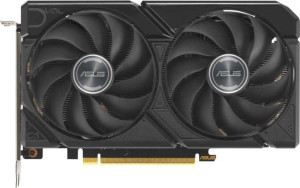
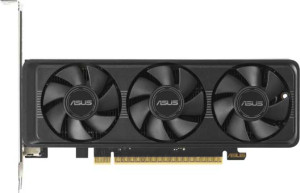
Both GPUs share a solid common foundation — DirectX 12 Ultimate, OpenGL 4.6, ray tracing support, and multi-display capability — so neither is at a disadvantage on the core compatibility checklist. The most consequential divergence, however, is upscaling: the RTX 5060 LP supports DLSS, NVIDIA's AI-driven upscaling technology that can recover significant frame rates in supported titles with minimal visual quality loss. The RX 9060 XT lacks DLSS access entirely and has no XeSS support either, leaving it reliant on AMD's own upscaling solutions — which are not reflected in these specs. For gamers who heavily use upscaling to boost performance, especially given the RTX 5060 LP's tighter raw performance headroom shown in the Performance group, DLSS is a meaningful real-world differentiator.
The RTX 5060 LP also edges ahead on display connectivity, supporting 4 displays versus the RX 9060 XT's 3, and carries a slightly newer OpenCL 3 implementation compared to OpenCL 2.2 on the RX 9060 XT — relevant for GPU-accelerated compute applications that can leverage the updated standard. On the other side, the RX 9060 XT includes RGB lighting, which the RTX 5060 LP omits entirely — a minor but visible distinction for users building aesthetically themed systems.
For this feature group, the RTX 5060 LP holds the more impactful advantage. DLSS alone is a significant asset in gaming scenarios, and the additional display output adds flexibility for multi-monitor setups. The RX 9060 XT's RGB and AMD SAM support are real features, but they don't offset the practical weight of DLSS access for the typical gaming user.