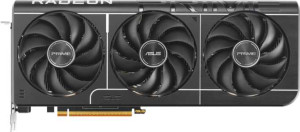
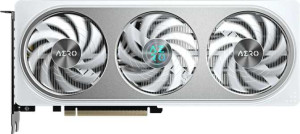
Much of this feature set is shared ground: both cards support DirectX 12 Ultimate, OpenGL 4.6, ray tracing, 3D output, and up to 4 simultaneous displays. Neither carries an LHR limiter, and neither supports XeSS. The RTX 5060 Ti does step ahead with OpenCL 3 versus the RX 9070's OpenCL 2.2, which could matter for GPU compute workflows that leverage newer OpenCL features, though this is a niche consideration for most gamers.
The single most impactful differentiator in this group is DLSS support on the Gigabyte RTX 5060 Ti. DLSS uses AI-based upscaling to reconstruct a high-resolution image from a lower-resolution render, delivering a meaningful boost in frame rates with minimal perceived quality loss — and in supported titles, it can make the difference between a playable and unplayable experience at higher resolutions. The Asus RX 9070 lacks DLSS entirely, and while AMD's own upscaling solution (FSR) is not listed in the provided specs for either card, the absence of DLSS is a concrete gap for users who game in titles where it is available. Conversely, the RX 9070 supports AMD SAM (Smart Access Memory), while the RTX 5060 Ti uses Intel Resizable BAR — both are functionally equivalent technologies that allow the CPU to access the full GPU frame buffer, so this distinction is effectively neutral.
The Gigabyte RTX 5060 Ti holds the features edge, primarily due to DLSS — a well-established, widely supported upscaling technology that adds tangible value in gaming scenarios. The RTX 5060 Ti also includes RGB lighting, which is a minor but real differentiator for users building aesthetically themed systems. For buyers who game heavily in DLSS-supported titles, this feature gap is meaningful and favors the Gigabyte card.