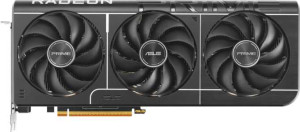
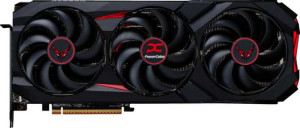
Across most feature checkboxes, these two cards are indistinguishable — both support ray tracing, FSR4, AMD SAM, up to four simultaneous displays, and share identical OpenGL and OpenCL versions. The one spec that quietly but meaningfully sets them apart is the DirectX version: the Asus Prime RX 9070 XT OC lists DirectX 12 Ultimate, while the PowerColor Red Devil RX 9070 XT lists only DirectX 12.
This distinction matters more than it might appear. DirectX 12 Ultimate is not simply a branding tier — it is a defined feature set that mandates hardware support for capabilities like DirectX Raytracing tier 1.1, mesh shaders, variable rate shading, and sampler feedback. Games and applications built to target DX12 Ultimate can leverage these features with the guarantee of full hardware compliance. A card listed as plain DirectX 12 may or may not support all of those sub-features, and without explicit confirmation, developers and users cannot rely on that hardware support being present. For future titles increasingly designed around DX12 Ultimate feature tiers, this gap could become more relevant over time.
Based strictly on the provided data, the Asus Prime RX 9070 XT OC holds a clear feature-set edge in this group by virtue of its DirectX 12 Ultimate certification. All other feature specs are identical between the two cards, so this single listing is the sole differentiator — and it is one that favors the Asus for users who prioritize forward compatibility with evolving graphics APIs.