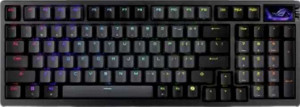
Asus ROG Azoth 96 HE
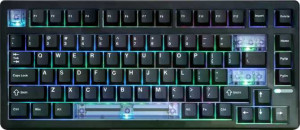
Epomaker HE80

Asus ROG Azoth 96 HE Epomaker HE80

Common Features

  • Both products are gaming, mechanical keyboards.
  • Both products have a standard profile.
  • Both products have a polling rate of 8000 Hz.
  • Both products feature a gasket mount.
  • Both products are not designed for Mac.
  • Both products have a detachable cable.
  • Both products have a thickness of 42 mm.
  • Both products have RGB lighting.
  • Both products have a backlit keyboard.
  • Both products have adjustable feet.
  • Both products use Hall effect switches.
  • Both products have linear switch feel.
  • Both products have hot-swappable switches.
  • Both products have an actuation distance of 0.1 mm.
  • Both products have analog input support.
  • Both products have rapid trigger support.
  • Both products have dual actuation support.
  • Both products have adjustable actuation support.
  • Both products support NKRO.
  • Both products use a standard key layout.

Main Differences

  • The Asus ROG Azoth 96 HE has a full (96%) keyboard layout while the Epomaker HE80 has a tenkeyless (80%) layout.
  • The Asus ROG Azoth 96 HE offers both wireless and wired connectivity, while the Epomaker HE80 supports only wired connectivity.
  • The Asus ROG Azoth 96 HE can connect via Bluetooth, 2.4GHz wireless, or USB, while the Epomaker HE80 connects only via USB.
  • The height of the Asus ROG Azoth 96 HE is 136 mm, while the Epomaker HE80 has a height of 146 mm.
  • The width of the Asus ROG Azoth 96 HE is 382 mm, while the Epomaker HE80 has a width of 332 mm.
  • The Asus ROG Azoth 96 HE has a case made of plastic and aluminum, while the Epomaker HE80's case is made of plastic.
  • The Asus ROG Azoth 96 HE is available in black and white case colors, while the Epomaker HE80 is available only in black.
  • The Asus ROG Azoth 96 HE includes a wrist rest, while the Epomaker HE80 does not include a wrist rest.
  • The Asus ROG Azoth 96 HE uses the ROG HFX V2 Magnetic Switch, while the Epomaker HE80 uses the Epomaker MagneX Switch.
  • The actuation distance (max) of the Asus ROG Azoth 96 HE is 3.5 mm, while the Epomaker HE80 has a max actuation distance of 3.4 mm.
  • The actuation force on the Asus ROG Azoth 96 HE is 49 g, while the Epomaker HE80 has an actuation force of 30 g.
  • The total travel distance of the Asus ROG Azoth 96 HE is 3.5 mm, while the Epomaker HE80 has a total travel distance of 3.4 mm.
  • The Asus ROG Azoth 96 HE has a USB passthrough, while the Epomaker HE80 does not have a USB passthrough.
  • The Asus ROG Azoth 96 HE features a display, while the Epomaker HE80 does not include a display.
  • The Asus ROG Azoth 96 HE has dedicated media keys, while the Epomaker HE80 requires the Fn key for media controls.
Specs Comparison
Asus ROG Azoth 96 HE

Asus ROG Azoth 96 HE

Epomaker HE80

Epomaker HE80

General info:
Keyboard type Gaming, Mechanical Gaming, Mechanical
Keyboard layout size Full (96%) Tenkeyless (80%)
Profile Standard Standard
connectivity Wireless & wired Wired
connection type Bluetooth, 2.4GHz wireless, USB USB
polling rate 8000 Hz 8000 Hz
Mount type Gasket mount Gasket mount
designed for Mac
has a detachable cable
height 136 mm 146 mm
width 382 mm 332 mm
thickness 42 mm 42 mm
release date October 2025 July 2025

The Asus ROG Azoth 96 HE and Epomaker HE80 are both mechanical gaming keyboards, but they differ in a few key areas related to general features. The ROG Azoth 96 HE offers a full 96% layout, which includes more keys compared to the Epomaker HE80's tenkeyless (80%) layout. This means the ROG Azoth has a larger footprint, measuring 136 mm in height, 382 mm in width, and 42 mm in thickness, compared to the Epomaker HE80’s 146 mm height, 332 mm width, and the same 42 mm thickness.

Both keyboards feature a standard profile and use a gasket mount design for a softer typing experience. When it comes to connectivity, the ROG Azoth 96 HE offers more versatility with both wireless (Bluetooth and 2.4GHz) and wired USB options. In contrast, the Epomaker HE80 is strictly wired, using a USB connection. Both keyboards support a high polling rate of 8000 Hz, ensuring responsive performance during gaming sessions.

Both models also include detachable cables, making them easier to transport, and neither is specifically designed for Mac, indicating they are intended for general use. Overall, the ROG Azoth 96 HE provides more layout options and connectivity versatility, while the Epomaker HE80 focuses on a more compact design and wired performance.

Design:
has RGB lighting
Has a backlit keyboard
Case material Plastic, Aluminum Plastic
Case colors Black, White Black
has adjustable feet
includes a wrist rest

Both the Asus ROG Azoth 96 HE and the Epomaker HE80 come with RGB lighting and backlit keys, which enhances the visual appeal and functionality for users who prefer custom lighting setups. However, the ROG Azoth 96 HE offers more case color options, available in both black and white, whereas the Epomaker HE80 is limited to black only.

In terms of build materials, the ROG Azoth 96 HE uses a combination of plastic and aluminum, potentially offering a more premium feel, while the Epomaker HE80's case is made entirely of plastic. Both keyboards feature adjustable feet, allowing users to modify their typing angles for comfort.

One notable difference is that the ROG Azoth 96 HE includes a wrist rest for added comfort during extended use, while the Epomaker HE80 does not include a wrist rest. This makes the ROG Azoth 96 HE a better choice for users looking for extra support during long gaming or typing sessions.

Switches:
Switch type Hall effect Hall effect
Switch feel Linear Linear
Hot-swappable switches
Switch name ROG HFX V2 Magnetic Switch Epomaker MagneX Switch
Actuation distance (min) 0.1 mm 0.1 mm
Actuation distance (max) 3.5 mm 3.4 mm
Actuation force 49 g 30 g
Total travel distance 3.5 mm 3.4 mm

Both the Asus ROG Azoth 96 HE and the Epomaker HE80 feature Hall effect switches with a linear feel, making them suitable for smooth, quiet keypresses during gaming or typing. The ROG Azoth 96 HE uses the ROG HFX V2 Magnetic Switch, while the Epomaker HE80 is equipped with the Epomaker MagneX Switch. The key difference between these two switches lies in their actuation and travel distances.

The ROG Azoth 96 HE's switches have a minimum actuation distance of 0.1 mm, a maximum of 3.5 mm, and an actuation force of 49 g. In contrast, the Epomaker HE80’s switches have a slightly shorter maximum actuation distance of 3.4 mm and a lighter actuation force of 30 g. Both keyboards offer hot-swappable switches, so users can easily swap out the switches without soldering.

In terms of total travel distance, the ROG Azoth 96 HE’s switches have a 3.5 mm total travel, while the Epomaker HE80’s switches have a slightly shorter 3.4 mm total travel. These small differences in actuation force and travel distance might make a slight difference in the feel of typing, but both keyboards share a similar switch type and functionality overall.

Features:
has analog input
has rapid trigger
has dual actuation
has adjustable actuation
has NKRO
has USB passthrough
Has a display
has QMK support
has ZMK support
has VIA support

Both the Asus ROG Azoth 96 HE and the Epomaker HE80 offer several advanced features aimed at enhancing performance. Both keyboards support analog input, rapid trigger, dual actuation, adjustable actuation, and N-Key Rollover (NKRO), ensuring a high level of responsiveness and customization for gaming and typing. These shared features allow for precise control, especially in fast-paced games where input accuracy is critical.

The main differences between the two keyboards lie in their additional features. The ROG Azoth 96 HE includes a USB passthrough port, providing additional connectivity options for users, as well as a display for showing useful information, such as system stats or profile settings. In contrast, the Epomaker HE80 lacks both a USB passthrough and a display, which may limit its convenience for users who need quick access to extra ports or information on the fly.

Neither keyboard supports QMK, ZMK, or VIA, which means neither offers full custom firmware support or advanced programming options typically seen in more modifiable boards. Overall, while the Asus ROG Azoth 96 HE provides extra convenience with its USB passthrough and display, both keyboards share the same fundamental feature set regarding actuation and input capabilities.

Keys & layout:
Keyboard layout ANSI (United States) ANSI (United States)
Keycap type PBT, Double-shot PBT, Double-shot
Keycap profile Cherry Cherry
uses a standard key layout
Media keys Dedicated media keys Via Fn key
has a rotary dial

Both the Asus ROG Azoth 96 HE and the Epomaker HE80 use an ANSI (United States) keyboard layout, ensuring a familiar and standardized key arrangement. They also both feature PBT, double-shot keycaps with a Cherry keycap profile, providing durability and a satisfying typing experience.

The main difference between these two models comes in the media key functionality. The ROG Azoth 96 HE has dedicated media keys for easy control of playback and volume, while the Epomaker HE80 requires the use of a Fn key to access media functions. Both keyboards follow a standard key layout, so users will find the general structure and organization of the keys similar.

Neither keyboard includes a rotary dial, which could have offered additional functionality for controlling various settings, such as volume or profile adjustments. Overall, the key layout, keycap type, and profile are nearly identical on both models, with the primary distinction being how media keys are accessed.

Comparison Summary

This is a specification comparison between Asus ROG Azoth 96 HE and Epomaker HE80. Both products are gaming, mechanical keyboards with RGB lighting, backlit keyboards, and adjustable feet. The Asus ROG Azoth 96 HE offers both wireless and wired connectivity, while the Epomaker HE80 supports only wired USB connection. Additionally, the Asus ROG Azoth 96 HE has a full (96%) layout, while the Epomaker HE80 features a tenkeyless (80%) layout. The Asus model includes a wrist rest and a display, features not found on the Epomaker HE80. Furthermore, the Asus ROG Azoth 96 HE has a 49 g actuation force, compared to the Epomaker HE80's 30 g actuation force.