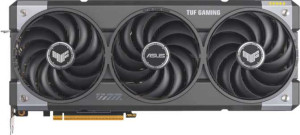
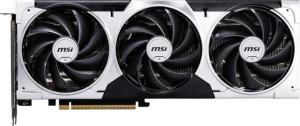
The architectural and silicon differences between these two cards are substantial. The RX 9070 XT is built on AMD's RDNA 4.0 architecture using a 4nm process node and packs a massive 53,900 million transistors onto its die. The RTX 5060 Ti uses NVIDIA's Blackwell architecture on a 5nm node with 21,900 million transistors — less than half the transistor count. The finer process node on the AMD card enables greater transistor density, which directly correlates with the raw performance advantages seen in the performance and memory groups. More transistors generally means more functional units, larger caches, and more complex logic — all packed into a competitive die area.
Power consumption tells a very different story, however. The RX 9070 XT carries a TDP of 304W, compared to just 180W for the RTX 5060 Ti — a gap of 124W. In practice, this means the MSI card demands a less powerful PSU, generates less heat, and will likely run quieter under load. For compact builds or systems with constrained cooling, this is a meaningful real-world consideration. The size difference reinforces this: the RX 9070 XT is both longer (330mm vs. 306mm) and taller (140mm vs. 121mm), which could limit compatibility in smaller cases.
Neither card has an advantage in PCIe version — both use PCIe 5.0, ensuring forward compatibility and maximum bandwidth to the CPU. Overall, this group reflects a deliberate design trade-off: the RX 9070 XT prioritizes raw silicon scale and performance headroom, while the RTX 5060 Ti is the more system-friendly option with its lower power draw and smaller footprint. Which card has the ″edge″ here depends on the user's priorities — thermal and space efficiency favor the MSI, while architectural ambition favors the Asus.