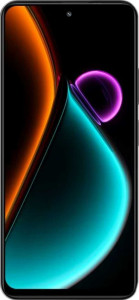
Both phones share the same panel technology — LCD IPS — and identical horizontal resolution, so there is no fundamental display quality gap from panel type alone. Where they diverge meaningfully is screen size and pixel density. The Color 6 offers a larger 6.67″ canvas, which is better suited for media consumption, reading, and multitasking. The Armor X16 counters with a smaller 5.56″ panel, but because it packs a similar number of vertical pixels into that tighter space, it achieves a noticeably sharper 318 ppi versus the Color 6′s 264 ppi. In practice, that 54 ppi advantage means finer text rendering and slightly crisper images on the Armor X16, though both sit below the 400+ ppi threshold where differences become truly imperceptible.
The refresh rate gap is the other headline differentiator. The Armor X16 runs at 120Hz compared to the Color 6′s 90Hz, which translates to smoother scrolling, more responsive UI interactions, and a generally more fluid feel during everyday navigation. For users sensitive to display fluidity, this is a tangible real-world advantage. Both devices feature branded damage-resistant glass and lack HDR support of any kind, so those factors are a wash.
Overall, the display comparison comes down to a clear trade-off: the Color 6 wins on screen real estate, while the Armor X16 wins on sharpness and smoothness. For users who prioritize immersive viewing on a larger display, the Color 6 is preferable. For those who value crispness and a fluid 120Hz experience over raw size, the Armor X16 holds the edge.