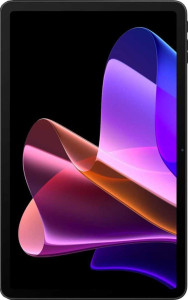
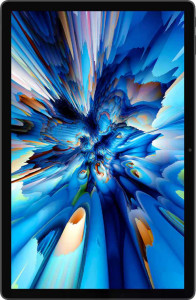
The camera gap between these two tablets is substantial, driven primarily by the rear sensor. The Blackview Mega 2 features a single 16 MP main camera, while the Mega 8 steps up to a dual rear system led by a 50 MP primary sensor paired with a 2 MP secondary lens. The resolution jump from 16 MP to 50 MP means the Mega 8 can resolve significantly more detail, which benefits cropping, large-format printing, and any scenario where image clarity matters. The front camera follows the same pattern — 13 MP on the Mega 8 versus 8 MP on the Mega 2 — giving the Mega 8 a sharper selfie and video-call experience.
Beyond resolution, the Mega 8 adds a couple of functional advantages. It supports slow-motion video recording, a feature entirely absent on the Mega 2, which expands creative and practical video options. It also carries 2 flash LEDs compared to the Mega 2's single LED, which can improve flash coverage and evenness in low-light stills. On the other hand, both devices share a long list of manual controls — ISO, white balance, exposure, and focus — as well as HDR photo mode, touch autofocus, and continuous autofocus during video. Neither offers optical zoom or optical image stabilization, which are common omissions at this tablet price tier.
The verdict here is straightforward: the Mega 8 holds a clear camera advantage across every meaningful differentiator — higher rear and front resolution, a dual-camera system, slow-motion video support, and dual-LED flash. For tablet users who use the camera with any regularity, whether for document scanning, video calls, or casual photography, the Mega 8 is meaningfully better equipped.