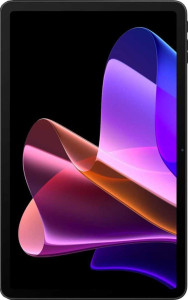
Across this broad category, the two tablets are strikingly alike. Both support USB Type-C, Wi-Fi, GPS, Galileo positioning, split-screen multitasking, picture-in-picture, widgets, dark mode, dynamic theming, offline voice recognition, and a consistent set of privacy controls — including app tracking blocks, clipboard warnings, and camera/microphone privacy options. For the vast majority of software and connectivity features, users on either device will have an essentially identical experience.
The one meaningful differentiator is network connectivity. The Blackview Mega 2 includes a cellular module, while the Tab 20 Wi-Fi is limited to Wi-Fi only — as its name signals. This is a significant real-world distinction: the Mega 2 can connect to mobile networks and function as a standalone device when away from a Wi-Fi hotspot, making it substantially more versatile for travel, commuting, or use in locations without reliable wireless infrastructure. Neither device supports 5G, so cellular access on the Mega 2 is confined to 4G LTE, but that still covers the vast majority of use cases where untethered connectivity matters.
Neither tablet offers NFC, a fingerprint scanner, gyroscope, or compass, keeping both on equal footing across those dimensions. The Mega 2 takes a clear edge in this category thanks solely to its cellular capability — for users who need connectivity beyond Wi-Fi, it is the only viable option between the two.