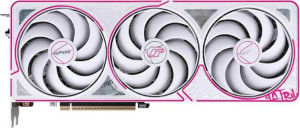
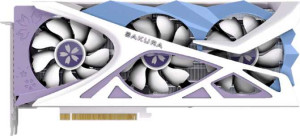
From a software and API feature standpoint, these two cards are effectively identical. Both support DirectX 12 Ultimate, ray tracing, and DLSS — the three pillars of modern gaming feature sets on NVIDIA hardware. DirectX 12 Ultimate guarantees access to the full suite of next-gen rendering features including mesh shaders and variable rate shading, while DLSS provides AI-driven upscaling that is particularly valuable at higher resolutions. Neither card supports XeSS, which is expected given that is an Intel-developed technology. Both also cap out at 4 supported displays simultaneously, which covers virtually every multi-monitor gaming or productivity setup.
The only differentiator in this group is RGB lighting: the iGame Ultra W OC includes it, while the Yeston Sakura does not. For aesthetics-focused builders assembling a themed system with synchronized lighting ecosystems, this is a tangible distinction. For those indifferent to case aesthetics — or who prefer a cleaner look — it is a non-issue. It carries no performance implications whatsoever.
On features, the iGame Ultra W OC holds a narrow edge solely due to its RGB lighting support, which adds aesthetic flexibility the Yeston Sakura cannot match. However, for any user whose decision is driven by functional, performance-relevant features, this group is effectively a dead heat — both cards offer the same software capabilities and display support.