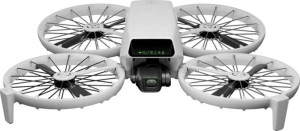
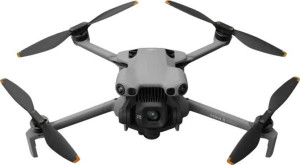
The single most important differentiator in this category is sensor size, and the gap here is dramatic. The DJI Mini 5 Pro carries a 10.4 x 15.6 mm sensor, while the DJI Flip manages just 5.6 x 4.2 mm — meaning the Mini 5 Pro's sensor captures roughly four times the surface area. In imaging, physical sensor size governs how much light reaches the pixel array, which directly determines dynamic range, low-light performance, and the ability to render natural depth separation. No amount of software processing fully compensates for this physical advantage.
That sensor size advantage cascades through the rest of the specs. The Mini 5 Pro's maximum ISO of 12800 — double the Flip's 6400 — is a direct consequence of its larger pixels gathering more light, making it significantly more capable in dawn, dusk, or shadowed environments. The Mini 5 Pro also edges ahead on video with support for 4K at 120 fps versus the Flip's 4K at 100 fps, offering smoother slow-motion headroom. The Flip counters with a slightly higher movie bitrate of 150 Mbps versus 130 Mbps, which can retain more detail during fast motion or complex scenes — a genuine but secondary advantage. Megapixel counts (48 MP vs 50 MP) are effectively identical in real-world output.
Both drones share a strong shared feature set — RAW capture, HDR, panorama, 24p cinema mode, and an FPV camera — so neither is short-changed on creative tools. But the sensor size gulf makes the conclusion unambiguous: the Mini 5 Pro holds a substantial camera advantage, particularly for anyone shooting in challenging light or prioritizing image quality above all else. The Flip's slightly higher bitrate is a real but minor offset against what is otherwise a one-sided comparison in this category.