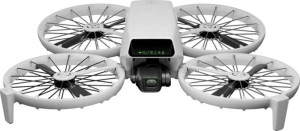
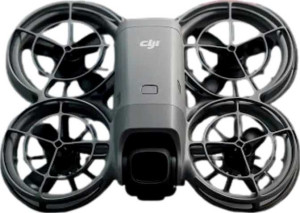
Still image resolution is a significant point of separation: the DJI Flip packs a 48 MP main sensor versus the DJI Neo 2's 12 MP. That four-fold difference matters when cropping aggressively in post, printing large-format images, or extracting high-resolution stills from a scene. The Flip also pulls ahead on video data throughput, recording at up to 150 Mbps compared to the Neo 2's 80 Mbps. A higher bitrate means more visual information is captured per second, which preserves finer detail and gives editors more headroom during color grading — a meaningful advantage for professional or semi-professional workflows.
The Neo 2 counters with a dramatically wider 119.8° field of view against the Flip's 82.1°. In practice, that extra angular coverage is transformative for confined spaces, interior shots, or the immersive wide-angle aesthetic that FPV-style footage demands. The Neo 2 also posts a higher maximum ISO of 12800 versus the Flip's 6400, which in theory allows it to maintain exposure longer in low-light conditions — though the practical impact depends on sensor size and noise processing, which are not specified in the provided data. Both drones share the same peak video resolution of 4K at 100 fps, and both support RAW capture, HDR, panoramas, and burst shooting, making them evenly matched on creative feature depth.
For photographers and videographers who prioritize image detail, post-production flexibility, and high-quality compressed footage, the DJI Flip holds a clear edge thanks to its higher resolution and bitrate. The DJI Neo 2 is the stronger choice for wide-angle and FPV-oriented shooting, where its vastly broader field of view is a defining creative tool. Neither drone is strictly superior — the right pick depends on whether field of view or image resolution matters more to the user's specific shooting style.