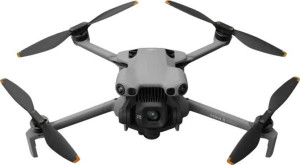
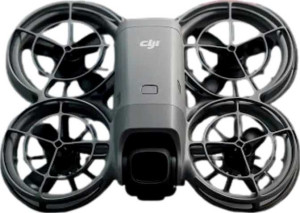
The most immediately practical difference between these two drones is size and weight. The DJI Neo 2 is a notably compact and lightweight machine at just 160 g, while the DJI Mini 5 Pro comes in at 249.9 g — nearly 57% heavier. This matters for portability and, depending on your region, regulatory thresholds (many jurisdictions apply stricter rules to drones at or above 250 g, and the Mini 5 Pro sits just under that common ceiling). The Neo 2 also occupies far less physical space, with a volume of roughly 1,542 cm³ versus the Mini 5 Pro's 4,200 cm³, making it considerably easier to slip into a bag for spontaneous outings.
Where the Mini 5 Pro asserts a clear advantage is weather resilience. It is weather-sealed (splashproof), while the Neo 2 offers no such protection. In practice, this means the Mini 5 Pro can handle light rain, morning mist, or dusty environments that would force a Neo 2 pilot to pack up and wait. For anyone shooting in unpredictable outdoor conditions, this is a significant real-world differentiator. Both drones share an identical operating temperature range of -10 °C to 40 °C, so neither has an edge in extreme cold or heat.
In summary, the Neo 2 wins on portability and ease of carry, making it the better companion for casual or travel-focused use. The Mini 5 Pro counters with its weather-sealing, giving it a durability edge for serious or professional outdoor work where conditions cannot be controlled. Your choice between them in this category comes down to whether you prioritize maximum packability or operational resilience.