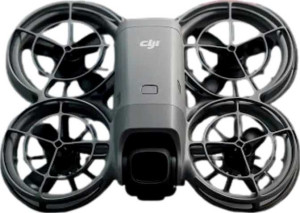
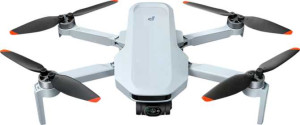
Flight time is where the performance story diverges most sharply. The Potensic Atom 2 at 32 minutes nearly doubles the DJI Neo 2′s 18 minutes per charge. In practice, this gap is transformative: 18 minutes is tight once you account for takeoff, repositioning, and keeping a safe battery reserve before RTH kicks in, often leaving only 10–12 minutes of productive shooting time. The Atom 2′s endurance, by contrast, allows for genuinely extended sessions without swapping batteries, which matters enormously for real estate surveys, longer hiking shots, or any scenario where landing to recharge is inconvenient.
On speed and range, the two drones are dead even — both top out at 16 m/s and share a 10 km maximum flight distance, so neither holds an advantage for fast action shots or long-range operations. Both also include intelligent flight modes and Return to Home, meaning the automation and safety net features are equally matched at this tier.
The critical trade-off surfaces with obstacle detection: the Neo 2 has it, the Atom 2 does not. For beginners or anyone flying in complex environments — trees, buildings, crowds — this is a meaningful safety gap. The Atom 2 demands more situational awareness from its pilot. Weighing everything, the Potensic Atom 2 holds a flight-time advantage that is hard to ignore for productivity-focused users, but the DJI Neo 2′s obstacle detection makes it the safer, more forgiving choice for those still building their piloting skills.