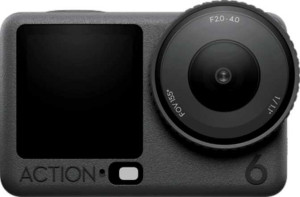
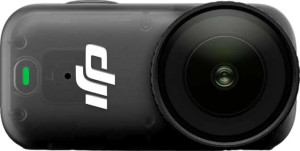
Both cameras share a surprisingly deep common feature set — phase-detection autofocus, continuous AF during recording, horizon leveling, timelapse, slow-motion, 24p cinema mode, RAW output, and an identical 120 Mbps bitrate. For most shooters, that shared foundation already covers a wide range of professional and creative needs. But the resolution and frame rate ceiling is where these two cameras genuinely diverge.
The Action 6 tops out at 2880 × 120 fps, while the Nano caps at 2160 × 60 fps. This is a two-dimensional advantage: the Action 6 shoots at a higher resolution and sustains higher frame rates at the same time. Practically, this means smoother, more flexible slow-motion footage with more pixels to work with — important for sports, wildlife, or any fast-moving subject where you want post-production flexibility. The wider 155° field of view on the Action 6, compared to the Nano's 143°, also captures a broader scene — useful for immersive POV footage or tight mounting positions where every extra degree matters.
The Osmo Action 6 has a clear videography edge, particularly for users who want to push frame rates or need that extra resolution headroom for cropping and stabilization in post. The Nano is still a capable video camera within its limits, but the Action 6's combination of higher peak resolution, faster frame rates, and wider field of view makes it the stronger choice for demanding video work.