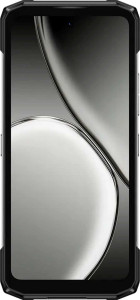
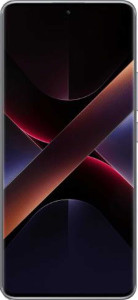
The software picture is remarkably close between these two devices, with one notable version difference: the Doogee Blade 20 Play ships with Android 15, while the Poco X7 launches on Android 14. On paper, the newer version gives the Doogee access to the latest platform improvements and security patches from day one — a meaningful consideration for users who prioritize being on the most current OS release. However, neither device receives direct OS updates from Google, meaning both rely on their respective manufacturers for future software upgrades, which tempers how much long-term weight this version gap carries.
Across the rest of the feature set, the two phones are strikingly alike. Both offer the same privacy controls, dynamic theming, dark mode, split-screen multitasking, Picture-in-Picture, customizable notifications, and on-device machine learning. The one functional difference beyond the OS version is that the Doogee supports app offloading — the ability to remove an app's executable while retaining its data — which the Poco X7 lacks. For users with limited storage habits, this is a handy space-management tool, though its practical impact is minor for most people.
Given how closely matched the feature sets are, the Doogee holds a modest edge in this category purely by virtue of its newer Android version and app offloading support. Neither difference is transformative, but they do tip the balance, particularly for users who value starting on the latest available platform.