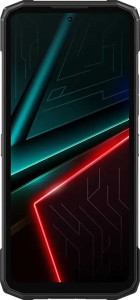
Cellular connectivity is where the Doogee Blade GT Ultra separates itself most sharply. It supports 5G, while the Blade 20 is limited to 4G LTE with a maximum download speed of 300 Mbits/s. The GT Ultra's 5G capability, paired with its listed speeds of up to 3270 Mbits/s for both download and upload, means vastly faster data throughput in supported areas — a difference that matters for large file transfers, high-quality video streaming, and mobile hotspot use. The symmetrical upload and download speeds on the GT Ultra are also notable for users who push data upstream, such as those uploading video content in the field.
Wireless connectivity tells a similar story in the Bluetooth column. The GT Ultra runs Bluetooth 5.2 versus the Blade 20's Bluetooth 5.0, which brings incremental improvements in connection stability, audio sync, and multi-device handling. It is not a dramatic leap, but it is a generational step forward. Both phones support the same Wi-Fi standards (Wi-Fi 4, 5, and 6), NFC, dual SIM, expandable storage, USB Type-C, and an identical sensor suite including GPS, gyroscope, accelerometer, and compass — so outside of cellular and Bluetooth, the feature parity is high.
On the whole, the GT Ultra holds a clear connectivity advantage, driven primarily by its 5G support and dramatically higher data speeds. For users in 5G coverage areas or those who rely heavily on mobile data, that gap is consequential. The Blade 20's connectivity profile is functional but firmly rooted in the previous generation of mobile networking.