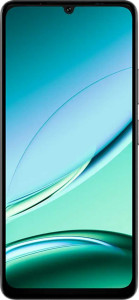
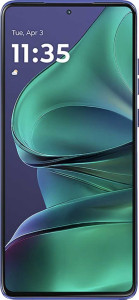
Both phones share a 50 MP primary sensor, but the Moto G Stylus 5G (2025) pulls ahead immediately by adding a second 13 MP lens, giving it a versatile dual-camera rear system. More importantly, the Motorola includes optical image stabilization (OIS) — hardware that physically compensates for hand movement during shots and video. The Doogee Note 59 Pro has no OIS, which means handheld low-light photos and video footage will be more prone to blur and shake. This is one of the most impactful camera hardware differences in real-world shooting conditions.
Video capability tells a similar story. The Moto G Stylus records at 4K (2160p) at 30 fps, while the Doogee tops out at 1080p at 30 fps — a full resolution tier behind. For users who shoot video for social media, travel, or family memories, that gap is significant. On the front camera, the Motorola again leads substantially with a 32 MP selfie sensor versus the Doogee's 8 MP — a fourfold difference that matters for video calls and self-portraits. The Motorola also supports RAW photo capture, giving photography enthusiasts far greater control in post-processing; the Doogee does not offer this. The broad set of shared manual controls — ISO, exposure, focus, white balance — means both phones cater to hands-on shooters, but the Motorola gives those shooters more to work with.
The Moto G Stylus 5G (2025) wins this category comprehensively. OIS, a dual rear camera, 4K video, a 32 MP front camera, and RAW support are all meaningful, tangible advantages over what the Doogee Note 59 Pro offers. Across stills, video, and selfies, the Motorola is the stronger imaging device by a wide margin.