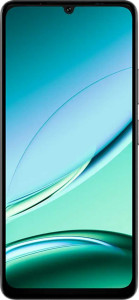
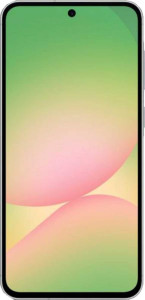
Both phones share a 50 MP primary sensor with an f/1.8 aperture, so on paper the main lens looks identical. The divergence begins immediately behind that headline number. The Samsung Galaxy A56 5G backs its main shooter with a 12 MP ultrawide and a 5 MP depth sensor, giving users genuine compositional versatility — the ability to step back for landscapes or architecture without moving their feet. The Doogee Note 59 Pro offers no secondary rear lenses at all, making it a single-perspective camera in a multi-camera world.
Two further hardware gaps matter significantly in practice. The A56 5G includes optical image stabilization (OIS), which physically compensates for hand tremor during shooting — the result is sharper low-light stills and smoother handheld video. The Doogee offers no OIS. On the video side, the Samsung records up to 4K at 30 fps while the Doogee tops out at 1080p at 30 fps — a full resolution tier lower, which becomes apparent on any modern TV or large display. The front camera gap is smaller but still real: the A56 5G's 12 MP selfie camera outresolves the Doogee's 8 MP unit, and both share the same f/2.2 aperture.
Where the two phones are genuinely equal is in their manual control feature sets — both offer manual ISO, exposure, focus, and white balance, along with HDR mode, panorama, timelapse, and slow-motion. For users who rely on those controls, neither holds an edge. Overall, though, the Samsung Galaxy A56 5G is the clear winner in this category: its multi-lens rear system, OIS, and 4K video capability represent meaningful real-world advantages that the Doogee's single-camera, 1080p setup simply cannot match.