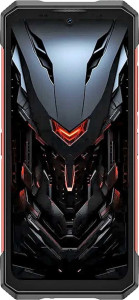
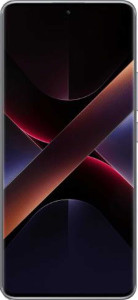
The single most impactful difference here is panel technology. The Poco X7 uses an OLED/AMOLED display, which delivers true blacks, superior contrast, and more vibrant colors by lighting pixels individually — while the S200 Plus relies on an LCD IPS panel, which requires a backlight and cannot match OLED in contrast or color depth. For media consumption, gaming, or anything visually demanding, this gap is immediately visible to the naked eye.
Sharpness compounds that advantage further. The Poco X7 resolves at 446 ppi against the S200 Plus's 392 ppi — a meaningful difference that translates to noticeably crisper text and finer image detail. Both panels run at 120Hz, so scrolling smoothness is equally matched. Where the Poco X7 pulls further ahead is its full HDR ecosystem: it supports HDR10, HDR10+, and Dolby Vision, plus an Always-On Display — none of which the S200 Plus offers. The Poco X7 also features branded damage-resistant glass, adding a layer of scratch protection the S200 Plus lacks.
The one area where the S200 Plus differentiates itself is its secondary screen — a feature the Poco X7 entirely omits. Depending on implementation, a secondary display can provide useful at-a-glance information without waking the main panel, which aligns with the S200 Plus's rugged, utility-focused identity. That said, it does not offset the Poco X7's commanding lead across every other display metric. The Poco X7 holds a clear advantage in display quality overall.