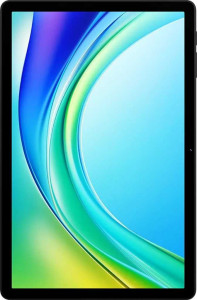
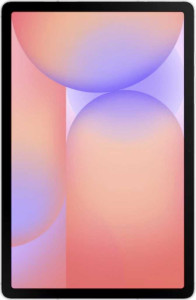
On paper, these two tablets are nearly identical in camera hardware: both shoot 8 MP stills on the rear and 5 MP on the front, cap video at 1080p 30fps, and share the same core feature set — HDR mode, touch autofocus, continuous autofocus during recording, manual white balance, ISO, focus, and exposure controls. For a spec category that often separates devices, the overlap here is striking. Tablet cameras are rarely a primary purchase driver, but users who do rely on them for video calls, document scanning, or occasional snapshots will find both options equally capable in well-lit conditions.
The only meaningful differentiators fall in favor of the Doogee Tab G6 Plus. It includes a rear flash and a video light, neither of which the Tab S10 Lite offers, and it also supports slow-motion video recording — a feature absent on the Samsung. In low-light scenarios, having a flash or video light provides a practical fallback that the Tab S10 Lite simply cannot replicate. Slow-motion, while not a frequent need, adds creative versatility the Samsung lacks entirely.
Cameras are rarely a deciding factor when choosing a tablet, and neither device here offers a strong imaging system by any measure. That said, based strictly on the provided specs, the Doogee Tab G6 Plus holds a narrow edge in this category — its flash, video light, and slow-motion support give it more shooting flexibility than the Tab S10 Lite, which offers nothing in return to close that gap.