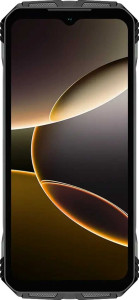
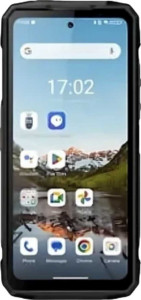
The most consequential difference here is panel technology. The Ulefone Armor 33 Pro uses an OLED/AMOLED display, which delivers true blacks, higher contrast, and more vibrant colors by lighting pixels individually. The Doogee V Max S, by contrast, uses an LCD IPS panel — perfectly functional, but incapable of matching OLED's contrast depth or color saturation. For outdoor rugged-phone users viewing maps, photos, or video in varying lighting, the OLED advantage is tangible.
The Doogee counters with branded damage-resistant glass — a meaningful edge for a rugged device that the Armor 33 Pro lacks entirely. In drop or scratch scenarios, this provides a real layer of screen protection beyond the chassis itself. The Doogee also offers a slightly sharper image at 401 ppi versus the Ulefone's 387 ppi, though on screens of this size the practical difference is negligible to most eyes. Both panels run at a smooth 120Hz refresh rate, so scrolling and motion feel identical between the two. The Ulefone's 6.95″ screen is notably larger than the Doogee's 6.58″, which can be an advantage for readability but adds to the already-bulkier form factor noted in the design comparison.
The Ulefone also includes a secondary screen — a feature absent on the Doogee — which can surface notifications or act as a status display without waking the main panel. Weighing everything, the display category is a meaningful split: the Doogee wins on screen durability, while the Ulefone wins on display quality and versatility. Users who prioritize vivid visuals and the secondary screen should lean toward the Ulefone; those who value screen protection above all should favor the Doogee.