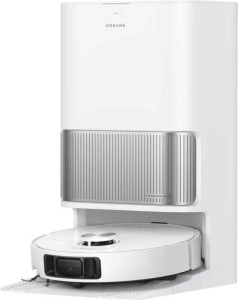
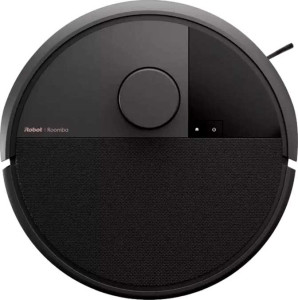
Suction power is where this group's most decisive gap emerges. The Dreame L40s Ultra delivers 19,000 Pa of suction against the iRobot Roomba Max 705 Vac's 13,000 Pa — a difference of 6,000 Pa, or roughly 46% more raw pulling force. In practical terms, higher Pascal ratings translate directly to more effective debris extraction from deep-pile carpets, pet hair embedded in upholstery borders, and fine particulate lodged in textured flooring. For households with heavy shedding pets or thick rugs, that gap is meaningful rather than marginal.
The Roomba counters with one notable capability the Dreame lacks: a dirt sensor. This allows the robot to detect concentrations of debris and autonomously intensify cleaning effort in those areas — a smart compensation that can partially offset raw suction differences in lightly to moderately soiled environments. The Dreame, without this sensor, applies its cleaning strategy without real-time debris feedback. Both robots share identical scores on cleaning modes (4 each), mop support, and universal floor-type compatibility, so neither holds an edge on versatility or operational flexibility.
On cleaning power, the Dreame L40s Ultra holds a clear advantage. Its substantially higher suction output is the single most impactful spec in this group, and for users prioritizing deep-clean performance — particularly on carpets — raw Pa ratings carry significant weight. The Roomba's dirt sensor is a smart feature that adds adaptive intelligence, but it is better understood as a refinement tool than a substitute for suction strength.