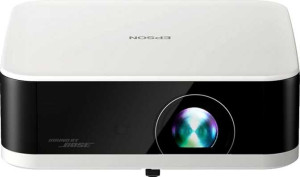
Epson Lifestudio Pop
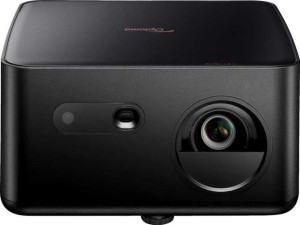
Optoma Photon Life PK32

Epson Lifestudio Pop Optoma Photon Life PK32

Common Features

  • Both products do not have a laser light source.
  • Neither product has a dedicated smartphone app.
  • Both products have motorized focus.
  • Both products have a maximum projection size of 150″.
  • Neither product has motorized zoom.
  • Both products do not support Dolby Vision.
  • Both products support HDR10.
  • Neither product has manual focus.
  • Both products do not have a VGA connector.
  • Neither product has a DVI connector.
  • Both products do not have an RJ45 port.
  • Neither product has an S/PDIF Out port.
  • Both products have a remote control.
  • Both products have a built-in speaker.
  • Neither product has Dolby Atmos.
  • Neither product has an external memory slot.
  • Neither product has voice commands.
  • Both products have one HDMI port.
  • Neither product has AirPlay support.
  • Both products have one USB port.

Main Differences

  • Operating power consumption is 101W on Epson Lifestudio Pop and 163W on Optoma Photon Life PK32.
  • Lamp life (eco mode) is 20000 hours on Epson Lifestudio Pop and 30000 hours on Optoma Photon Life PK32.
  • Width is 200 mm on Epson Lifestudio Pop and 240 mm on Optoma Photon Life PK32.
  • Height is 70 mm on Epson Lifestudio Pop and 130 mm on Optoma Photon Life PK32.
  • Thickness is 190 mm on Epson Lifestudio Pop and 220 mm on Optoma Photon Life PK32.
  • Weight is 1600 g on Epson Lifestudio Pop and 2200 g on Optoma Photon Life PK32.
  • Volume is 2660 cm³ on Epson Lifestudio Pop and 6864 cm³ on Optoma Photon Life PK32.
  • Output resolution is 1080p on Epson Lifestudio Pop and 4K on Optoma Photon Life PK32.
  • Bit depth is 10-bit on Epson Lifestudio Pop and 8-bit on Optoma Photon Life PK32.
  • Minimum throw distance is 0.8 m on Epson Lifestudio Pop and 1.9 m on Optoma Photon Life PK32.
  • HLG support is not available on Epson Lifestudio Pop but is available on Optoma Photon Life PK32.
  • HDMI ports are 1 on Epson Lifestudio Pop and 2 on Optoma Photon Life PK32.
  • AirPlay support is available on Epson Lifestudio Pop but not on Optoma Photon Life PK32.
  • Bluetooth support is available on Epson Lifestudio Pop but not on Optoma Photon Life PK32.
  • Wi-Fi support is available on Epson Lifestudio Pop but not on Optoma Photon Life PK32.
  • USB ports are 1 on Epson Lifestudio Pop and 2 on Optoma Photon Life PK32.
  • DLNA certification is available on Epson Lifestudio Pop but not on Optoma Photon Life PK32.
  • Stereo speakers are not available on Epson Lifestudio Pop but are available on Optoma Photon Life PK32.
  • Built-in smart TV functionality is available on Epson Lifestudio Pop but not on Optoma Photon Life PK32.
  • A socket for a 3.5 mm audio jack is available on Optoma Photon Life PK32 but not on Epson Lifestudio Pop.
Specs Comparison
Epson Lifestudio Pop

Epson Lifestudio Pop

Optoma Photon Life PK32

Optoma Photon Life PK32

General info:
has laser light source
release date September 2025 October 2025
operating power consumption 101W 163W
lamp life (eco mode) 20000 h 30000 h
width 200 mm 240 mm
height 70 mm 130 mm
thickness 190 mm 220 mm
weight 1600 g 2200 g
Has a dedicated smartphone app
volume 2660 cm³ 6864 cm³

The Epson Lifestudio Pop and Optoma Photon Life PK32 both share the same laser light source status, as neither of them features this technology. However, there are differences in their other specifications. The Epson Lifestudio Pop consumes 101W of power during operation, which is less than the 163W used by the Optoma Photon Life PK32.

In terms of lamp life, the Epson Lifestudio Pop offers an impressive 20,000 hours in eco mode, while the Optoma Photon Life PK32 slightly surpasses this with a lamp life of 30,000 hours in eco mode. Regarding their physical dimensions, the Epson Lifestudio Pop is more compact with a width of 200 mm, height of 70 mm, and thickness of 190 mm, while the Optoma Photon Life PK32 is larger, measuring 240 mm in width, 130 mm in height, and 220 mm in thickness.

Weight-wise, the Epson Lifestudio Pop is lighter at 1600 g, whereas the Optoma Photon Life PK32 weighs 2200 g, making it noticeably heavier. Both models do not include a dedicated smartphone app, and the Epson has a smaller volume of 2660 cm³ compared to the Optoma’s 6864 cm³.

Projection quality:
output resolution 1080p 4K
has motorized focus
maximum projection size 150" 150"
has motorized zoom
supports HDR10+
bit depth 10-bit 8-bit
has manual focus
minimum throw distance 0.8 m 1.9 m
supports Dolby Vision
supports HDR10
supports HLG

The Epson Lifestudio Pop and Optoma Photon Life PK32 have different output resolutions, with the Epson offering a 1080p resolution and the Optoma providing a 4K resolution. Both models support a maximum projection size of 150 inches. Additionally, both projectors have motorized focus, but neither has motorized zoom. Neither projector supports HDR10+ or Dolby Vision, but both support HDR10, with the Epson Lifestudio Pop lacking support for HLG, while the Optoma Photon Life PK32 includes HLG support.

When it comes to color depth, the Epson Lifestudio Pop has a 10-bit bit depth, which is higher than the 8-bit bit depth of the Optoma Photon Life PK32. Both projectors lack manual focus, though the Epson does feature a minimum throw distance of 0.8 meters, which is shorter than the Optoma's minimum throw distance of 1.9 meters.

Connectivity:
HDMI ports 1 2
has AirPlay
Has Bluetooth
supports Wi-Fi
USB ports 1 2
has a VGA connector
is DLNA-certified
has a DVI connector
RJ45 ports 0 0
Has S/PDIF Out port

The Epson Lifestudio Pop and Optoma Photon Life PK32 differ in their connectivity options. The Epson Lifestudio Pop has 1 HDMI port, supports AirPlay, Bluetooth, Wi-Fi, and has 1 USB port. It is also DLNA-certified, but lacks a VGA connector, DVI connector, RJ45 port, and S/PDIF Out port.

On the other hand, the Optoma Photon Life PK32 has 2 HDMI ports, but does not support AirPlay, Bluetooth, or Wi-Fi. It offers 2 USB ports, lacks both a VGA connector and a DVI connector, and is not DLNA-certified. Like the Epson, it does not have an RJ45 port or an S/PDIF Out port.

In summary, the Epson Lifestudio Pop offers more wireless connectivity options, while the Optoma Photon Life PK32 provides an additional HDMI port but lacks wireless capabilities.

Features:
has stereo speakers
has lens shift (vertical)
has lens shift (horizontal)
has a remote control
has built-in smart TV
has a built-in speaker
has a socket for a 3.5 mm audio jack
has Dolby Atmos
has an external memory slot
has voice commands

The Epson Lifestudio Pop and Optoma Photon Life PK32 have some similarities and differences when it comes to features. Both projectors come with a remote control and built-in speakers. However, the Epson Lifestudio Pop includes a built-in smart TV feature, while the Optoma Photon Life PK32 does not. In terms of audio connections, the Optoma model has a socket for a 3.5 mm audio jack, which the Epson lacks.

Neither projector features stereo speakers, lens shift (either vertical or horizontal), Dolby Atmos support, an external memory slot, or voice commands. However, the Epson Lifestudio Pop does not have a socket for a 3.5 mm audio jack, whereas the Optoma Photon Life PK32 does.

Overall, the key differences lie in the built-in smart TV feature of the Epson and the 3.5 mm audio jack on the Optoma.

Comparison Summary

This is a specification comparison between Epson Lifestudio Pop and Optoma Photon Life PK32. Both projectors feature motorized focus and have a maximum projection size of 150″. They also share the absence of motorized zoom and HDR10+ support. Key differences include the output resolution, which is 1080p on Epson Lifestudio Pop and 4K on Optoma Photon Life PK32, as well as the lamp life (eco mode) being 20000 hours on Epson and 30000 hours on Optoma. The operating power consumption is 101W on Epson and 163W on Optoma. Additionally, Epson offers AirPlay support, while Optoma has stereo speakers.