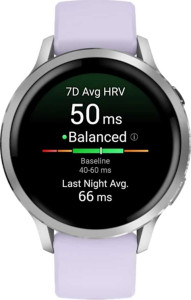
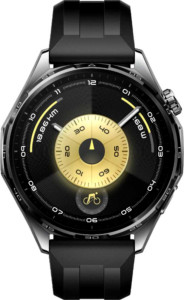
Across the broad features category, these two watches agree on a remarkably long list: HRV tracking, VO2 max, resting heart rate, fast/slow heart rate notifications, readiness scores, call answering and control, notifications, irregular heart rate warnings, silent and vibrating alerts, stopwatch, and voice commands. For most users, this shared foundation covers everything they would expect from a premium smartwatch.
The divergences, though few, are pointed. The Garmin Venu 4 41mm adds ECG technology and fall detection — two features with real health and safety implications. ECG allows on-demand electrocardiogram readings to help identify potential atrial fibrillation, which is a meaningful clinical tool, not just a marketing checkbox. Fall detection can automatically alert emergency contacts if a hard fall is detected and the user is unresponsive, making the Venu 4 a more compelling option for older users or solo outdoor athletes. The Venu 4 also benefits from faster GPS acquisition, which reduces the waiting time before a tracked workout can begin. The Huawei Watch GT 6 counters with a camera remote control function — useful for hands-free photo-taking, but a lifestyle convenience rather than a health or safety feature.
The Venu 4 holds a clear advantage in this group. ECG and fall detection are substantively more impactful additions than a camera remote, and faster GPS lock is a practical bonus for anyone who tracks outdoor activities regularly. The GT 6's camera remote is a nice touch but does not offset the health-oriented depth that Garmin brings to this category.