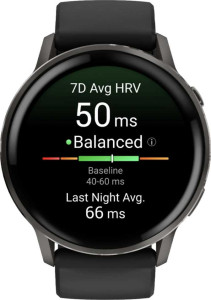
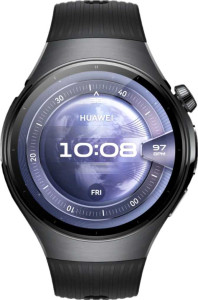
For the vast majority of users, these two watches are functionally identical in activity tracking. Both cover the full spectrum of everyday fitness needs — sleep tracking with reports, step counting, pace, distance, elevation, route tracking, automatic activity detection, exercise tagging, swim stroke counting, and calorie intake logging. That last feature, calorie intake tracking, is worth highlighting: it moves both watches beyond pure output monitoring into a more holistic diet-and-activity picture, which is relatively uncommon at this level.
The single differentiator in this category is dive mode. The Huawei Watch 5 is designed for diving; the Garmin Venu 4 is not. This is a meaningful distinction for underwater sports enthusiasts — a dedicated dive mode typically means the watch can log depth profiles, dive time, and surface intervals in a structured way, going well beyond basic waterproofing. It is worth noting, however, that the Design group showed the Venu 4 rated to a deeper 50 m versus the Watch 5's 40 m, which makes the dive designation on the Watch 5 a software and feature differentiation rather than purely a hardware one.
Taken as a whole, the Huawei Watch 5 earns a narrow edge here solely because of its diving support. For anyone who dives recreationally, that single feature gap is significant. For everyone else — runners, swimmers, hikers, golfers, and general fitness users — both watches are evenly matched and the choice comes down to other factors.