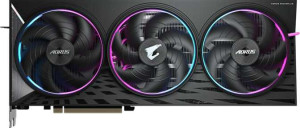
Gigabyte Aorus Radeon RX 9070 XT Elite
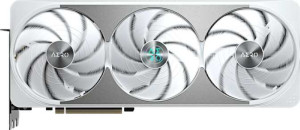
Gigabyte GeForce RTX 5070 Ti Aero OC

Gigabyte Aorus Radeon RX 9070 XT Elite Gigabyte GeForce RTX 5070 Ti Aero OC

Overview

When two premium Gigabyte graphics cards go head-to-head, every specification counts. This page compares the Gigabyte Aorus Radeon RX 9070 XT Elite and the Gigabyte GeForce RTX 5070 Ti Aero OC across the key battlegrounds that matter most: clock speeds and compute throughput, memory architecture and bandwidth, display output configurations, and software feature ecosystems, giving you the complete picture before committing to your next GPU upgrade.

Common Features

  • Both products support Double Precision Floating Point (DPFP).
  • Both cards come with 16GB of VRAM.
  • Both use a 256-bit memory bus width.
  • ECC memory is supported on both products.
  • Both support DirectX 12 Ultimate.
  • Both support OpenGL version 4.6.
  • Multi-display technology is supported on both products.
  • Ray tracing is supported on both products.
  • 3D support is available on both products.
  • XeSS (XMX) support is not available on either product.
  • Neither product has LHR.
  • RGB lighting is present on both products.
  • Both cards include an HDMI output.
  • Both use HDMI version 2.1b.
  • Neither product has USB-C ports.
  • Neither product has DVI outputs.
  • Neither product has mini DisplayPort outputs.
  • Both use PCI Express (PCIe) version 5.
  • Neither product features air-water cooling.

Main Differences

  • GPU clock speed is 1870 MHz on Gigabyte Aorus Radeon RX 9070 XT Elite and 2295 MHz on Gigabyte GeForce RTX 5070 Ti Aero OC.
  • GPU turbo speed is 3100 MHz on Gigabyte Aorus Radeon RX 9070 XT Elite and 2588 MHz on Gigabyte GeForce RTX 5070 Ti Aero OC.
  • Pixel rate is 396.8 GPixel/s on Gigabyte Aorus Radeon RX 9070 XT Elite and 248.4 GPixel/s on Gigabyte GeForce RTX 5070 Ti Aero OC.
  • Floating-point performance is 50.79 TFLOPS on Gigabyte Aorus Radeon RX 9070 XT Elite and 46.38 TFLOPS on Gigabyte GeForce RTX 5070 Ti Aero OC.
  • Texture rate is 793.6 GTexels/s on Gigabyte Aorus Radeon RX 9070 XT Elite and 724.6 GTexels/s on Gigabyte GeForce RTX 5070 Ti Aero OC.
  • GPU memory speed is 2518 MHz on Gigabyte Aorus Radeon RX 9070 XT Elite and 1750 MHz on Gigabyte GeForce RTX 5070 Ti Aero OC.
  • Shading units number 4096 on Gigabyte Aorus Radeon RX 9070 XT Elite and 8960 on Gigabyte GeForce RTX 5070 Ti Aero OC.
  • Texture mapping units (TMUs) total 256 on Gigabyte Aorus Radeon RX 9070 XT Elite and 280 on Gigabyte GeForce RTX 5070 Ti Aero OC.
  • Render output units (ROPs) number 128 on Gigabyte Aorus Radeon RX 9070 XT Elite and 96 on Gigabyte GeForce RTX 5070 Ti Aero OC.
  • Effective memory speed is 20000 MHz on Gigabyte Aorus Radeon RX 9070 XT Elite and 28000 MHz on Gigabyte GeForce RTX 5070 Ti Aero OC.
  • Maximum memory bandwidth is 644.6 GB/s on Gigabyte Aorus Radeon RX 9070 XT Elite and 896 GB/s on Gigabyte GeForce RTX 5070 Ti Aero OC.
  • Memory type is GDDR6 on Gigabyte Aorus Radeon RX 9070 XT Elite and GDDR7 on Gigabyte GeForce RTX 5070 Ti Aero OC.
  • OpenCL version is 2.2 on Gigabyte Aorus Radeon RX 9070 XT Elite and 3 on Gigabyte GeForce RTX 5070 Ti Aero OC.
  • DLSS support is present on Gigabyte GeForce RTX 5070 Ti Aero OC but not available on Gigabyte Aorus Radeon RX 9070 XT Elite.
  • Resizable BAR technology is AMD SAM on Gigabyte Aorus Radeon RX 9070 XT Elite and Intel Resizable BAR on Gigabyte GeForce RTX 5070 Ti Aero OC.
  • HDMI port count is 2 on Gigabyte Aorus Radeon RX 9070 XT Elite and 1 on Gigabyte GeForce RTX 5070 Ti Aero OC.
  • DisplayPort outputs number 2 on Gigabyte Aorus Radeon RX 9070 XT Elite and 3 on Gigabyte GeForce RTX 5070 Ti Aero OC.
  • GPU architecture is RDNA 4.0 on Gigabyte Aorus Radeon RX 9070 XT Elite and Blackwell on Gigabyte GeForce RTX 5070 Ti Aero OC.
  • Thermal Design Power (TDP) is 304W on Gigabyte Aorus Radeon RX 9070 XT Elite and 300W on Gigabyte GeForce RTX 5070 Ti Aero OC.
  • Semiconductor size is 4 nm on Gigabyte Aorus Radeon RX 9070 XT Elite and 5 nm on Gigabyte GeForce RTX 5070 Ti Aero OC.
  • Transistor count is 53900 million on Gigabyte Aorus Radeon RX 9070 XT Elite and 45600 million on Gigabyte GeForce RTX 5070 Ti Aero OC.
  • Card width is 339 mm on Gigabyte Aorus Radeon RX 9070 XT Elite and 340 mm on Gigabyte GeForce RTX 5070 Ti Aero OC.
  • Card height is 136 mm on Gigabyte Aorus Radeon RX 9070 XT Elite and 140 mm on Gigabyte GeForce RTX 5070 Ti Aero OC.
Specs Comparison
Gigabyte Aorus Radeon RX 9070 XT Elite

Gigabyte Aorus Radeon RX 9070 XT Elite

Gigabyte GeForce RTX 5070 Ti Aero OC

Gigabyte GeForce RTX 5070 Ti Aero OC

Performance:
GPU clock speed 1870 MHz 2295 MHz
GPU turbo 3100 MHz 2588 MHz
pixel rate 396.8 GPixel/s 248.4 GPixel/s
floating-point performance 50.79 TFLOPS 46.38 TFLOPS
texture rate 793.6 GTexels/s 724.6 GTexels/s
GPU memory speed 2518 MHz 1750 MHz
shading units 4096 8960
texture mapping units (TMUs) 256 280
render output units (ROPs) 128 96
Has Double Precision Floating Point (DPFP)

The most striking contrast between these two cards lies in their clock speed philosophies. The Aorus RX 9070 XT operates with a modest base clock of 1870 MHz but rockets to a turbo of 3100 MHz — a massive uplift that reflects AMD's RDNA 4 architecture leaning heavily on frequency scaling. The RTX 5070 Ti Aero OC, by contrast, runs a tighter range from 2295 MHz to just 2588 MHz, indicating a more clock-stable design. In practice, the RX 9070 XT's extreme turbo ceiling can translate to higher burst performance in GPU-bound workloads, though sustained performance depends on how consistently it holds that peak.

On raw throughput metrics, the Aorus RX 9070 XT holds a clear lead. Its floating-point performance of 50.79 TFLOPS edges out the RTX 5070 Ti's 46.38 TFLOPS, and its pixel rate of 396.8 GPixel/s — backed by more render output units (128 ROPs vs. 96) — is substantially higher, which directly benefits rasterization-heavy gaming workloads. The RTX 5070 Ti counters with a much higher shading unit count of 8960 versus 4096, but those units run at lower clocks, yielding lower aggregate compute. It also edges ahead in TMUs (280 vs. 256), giving it a slight texture throughput advantage, though the RX 9070 XT's faster memory speed of 2518 MHz versus the 5070 Ti's 1750 MHz means bandwidth feeding those textures is quicker on the AMD card.

Overall, based strictly on these specs, the Aorus RX 9070 XT Elite holds the performance edge in this group. It leads in TFLOPS, pixel rate, memory speed, and ROPs — the metrics most directly tied to gaming frame output. The RTX 5070 Ti's architectural advantage in shading unit count does not translate into higher computed throughput here, making the RX 9070 XT the stronger performer on paper across the majority of these indicators.
Memory:
effective memory speed 20000 MHz 28000 MHz
maximum memory bandwidth 644.6 GB/s 896 GB/s
VRAM 16GB 16GB
GDDR version GDDR6 GDDR7
memory bus width 256-bit 256-bit
Supports ECC memory

The Gigabyte Aorus Radeon RX 9070 XT Elite and the Gigabyte GeForce RTX 5070 Ti Aero OC both feature 16GB of VRAM, but they differ in other aspects of their memory configurations. The RX 9070 XT Elite has an effective memory speed of 20000 MHz, while the RTX 5070 Ti Aero OC operates at a significantly faster 28000 MHz. For maximum memory bandwidth, the Aorus RX 9070 XT Elite offers 644.6 GB/s, whereas the RTX 5070 Ti Aero OC provides 896 GB/s, showing a clear difference in memory throughput.

Both products use a 256-bit memory bus width, which ensures a similar width of data channels, but they are backed by different generations of GDDR memory. The RX 9070 XT Elite uses GDDR6, while the RTX 5070 Ti Aero OC benefits from the newer GDDR7. Despite these differences, both cards support ECC memory (Error Correction Code), providing additional reliability for workloads requiring precise memory integrity.

Overall, while both cards offer the same amount of VRAM and similar memory bus widths, the RTX 5070 Ti Aero OC leads in terms of memory speed, bandwidth, and uses a more advanced GDDR7 memory type.

Features:
DirectX version DirectX 12 Ultimate DirectX 12 Ultimate
OpenGL version 4.6 4.6
OpenCL version 2.2 3
Supports multi-display technology
supports ray tracing
Supports 3D
supports DLSS
has XeSS (XMX)
AMD SAM / Intel Resizable BAR AMD SAM Intel Resizable BAR
has LHR
has RGB lighting

Both the Gigabyte Aorus Radeon RX 9070 XT Elite and the Gigabyte GeForce RTX 5070 Ti Aero OC support DirectX 12 Ultimate and OpenGL 4.6, ensuring compatibility with modern gaming and graphics APIs. However, the OpenCL version differs, with the RX 9070 XT Elite supporting OpenCL 2.2, while the RTX 5070 Ti Aero OC supports a more recent OpenCL 3. Both products also support multi-display technology, ray tracing, and 3D rendering, with no significant differences in these areas.

The RX 9070 XT Elite does not support DLSS (Deep Learning Super Sampling), whereas the RTX 5070 Ti Aero OC does offer DLSS support. Additionally, the RX 9070 XT Elite is compatible with AMD’s Smart Access Memory (SAM), while the RTX 5070 Ti Aero OC supports Intel’s Resizable BAR. Neither card features XeSS (XMX) support.

Both cards have no LHR (Lite Hash Rate) restrictions and include RGB lighting for visual customization. Overall, the main differences lie in the OpenCL version, DLSS support, and the choice between AMD SAM and Intel Resizable BAR, but both products offer similar core features like DirectX 12 Ultimate and multi-display support.

Ports:
has an HDMI output
HDMI ports 2 1
HDMI version HDMI 2.1b HDMI 2.1b
DisplayPort outputs 2 3
USB-C ports 0 0
DVI outputs 0 0
mini DisplayPort outputs 0 0

Both the Gigabyte Aorus Radeon RX 9070 XT Elite and the Gigabyte GeForce RTX 5070 Ti Aero OC have an HDMI output, with the RX 9070 XT Elite featuring two HDMI 2.1b ports, while the RTX 5070 Ti Aero OC offers just one HDMI 2.1b port. For DisplayPort outputs, the RX 9070 XT Elite provides two, while the RTX 5070 Ti Aero OC has three DisplayPort outputs, giving it slightly more flexibility for multi-monitor setups.

Neither card includes USB-C, DVI, or mini DisplayPort outputs, which are absent in both products. The main difference here is in the number of HDMI and DisplayPort outputs, with the RX 9070 XT Elite offering two HDMI ports and the RTX 5070 Ti Aero OC having an additional DisplayPort.

In summary, the RX 9070 XT Elite has more HDMI ports, while the RTX 5070 Ti Aero OC provides more DisplayPort outputs, offering a different configuration based on user needs for display connectivity.

General info:
GPU architecture RDNA 4.0 Blackwell
release date March 2025 January 2025
Thermal Design Power (TDP) 304W 300W
PCI Express (PCIe) version 5 5
semiconductor size 4 nm 5 nm
number of transistors 53900 million 45600 million
Has air-water cooling
width 339 mm 340 mm
height 136 mm 140 mm

The Gigabyte Aorus Radeon RX 9070 XT Elite uses the RDNA 4.0 architecture, while the Gigabyte GeForce RTX 5070 Ti Aero OC is built on the Blackwell architecture. Both products use PCI Express (PCIe) version 5, ensuring high-speed data transfer, but they differ in their semiconductor size. The RX 9070 XT Elite is built on a 4 nm process, while the RTX 5070 Ti Aero OC uses a 5 nm process, with the RX 9070 XT Elite having a smaller semiconductor size.

In terms of power consumption, the RX 9070 XT Elite has a Thermal Design Power (TDP) of 304W, while the RTX 5070 Ti Aero OC is slightly lower at 300W. The number of transistors in the RX 9070 XT Elite is 53,900 million, surpassing the 45,600 million transistors in the RTX 5070 Ti Aero OC.

Both cards have no air-water cooling systems and have similar dimensions, with the RX 9070 XT Elite measuring 339 mm in width and 136 mm in height, and the RTX 5070 Ti Aero OC measuring 340 mm in width and 140 mm in height, with only minor differences in size.

Comparison Summary & Verdict

Both cards share 16 GB of VRAM, a 256-bit memory bus, DirectX 12 Ultimate, and ray tracing support, making them equally capable on the fundamentals. Beyond that, their strengths diverge clearly. The Gigabyte Aorus Radeon RX 9070 XT Elite leads with a GPU turbo of 3100 MHz, a higher pixel rate of 396.8 GPixel/s, 50.79 TFLOPS of floating-point performance, and a more refined 4 nm process node. It also offers two HDMI ports for flexible multi-display setups. The Gigabyte GeForce RTX 5070 Ti Aero OC counters with a substantially larger shader count of 8960 units, faster GDDR7 memory delivering 896 GB/s of bandwidth, and exclusive DLSS support that can meaningfully boost frame rates in compatible titles. Choose the RX 9070 XT Elite for raw rasterization muscle; opt for the RTX 5070 Ti Aero OC if memory bandwidth and DLSS-accelerated gaming are your top priorities.

Gigabyte Aorus Radeon RX 9070 XT Elite
Buy Gigabyte Aorus Radeon RX 9070 XT Elite if...

Buy the Gigabyte Aorus Radeon RX 9070 XT Elite if you prioritize higher raw compute throughput, a faster GPU turbo clock, and dual HDMI outputs without depending on DLSS.

Gigabyte GeForce RTX 5070 Ti Aero OC
Buy Gigabyte GeForce RTX 5070 Ti Aero OC if...

Buy the Gigabyte GeForce RTX 5070 Ti Aero OC if DLSS support, faster GDDR7 memory, and superior memory bandwidth of 896 GB/s are essential to your gaming or creative workload.